Odisha Iron Ore Prices in India Rise to Over 4-Month High; Tight Supply Supports Spot Market
en.Wedoany.com Reported - In late September, iron ore spot prices in India's Odisha state rose to a more than four-month high. BigMint public price data show that on September 19, the Odisha 63% grade blast furnace lump index reached 6,650 Indian rupees/tonne, up 50 Indian rupees/tonne from the previous week; during the same period, the 63% grade direct reduction lump index reached 7,400 Indian rupees/tonne, also up 50 Indian rupees/tonne. The market price increase mainly occurred against the backdrop of a phased tightening of mine supply.
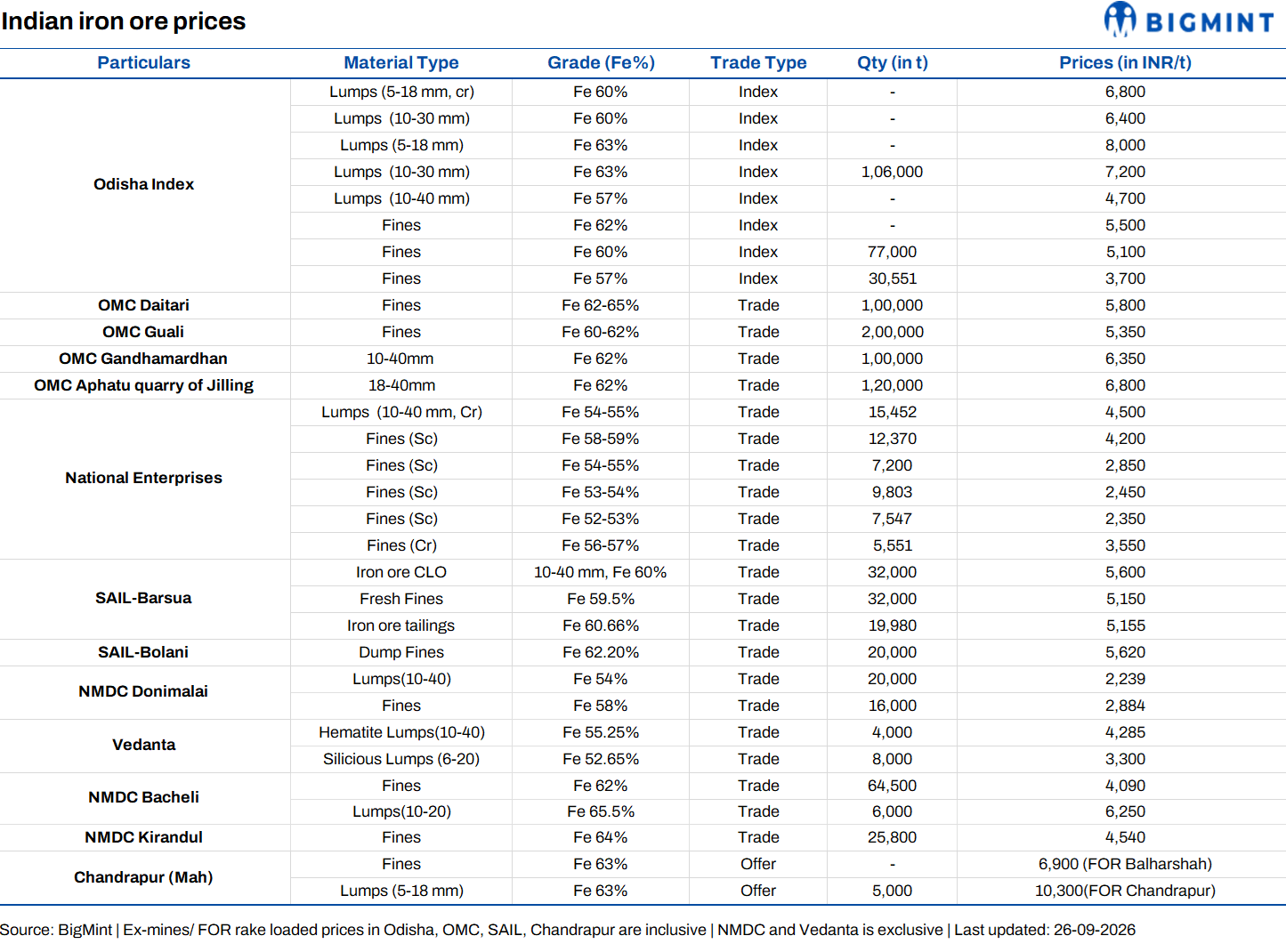
Odisha is one of India's most important iron ore producing regions, and market trading covers multiple grades of fines and lumps. On September 19, BigMint was still tracking the Odisha 62% and 63% grade fines as well as the 63% blast furnace grade and direct reduction grade lump indices, with major spot delivery cycles concentrated at 4 to 5 weeks. On September 24, its 57% grade fines index continued to be updated, indicating that quotations for different grades of ore in the region remained in an active trading phase.
Tightness on the supply side supported lumps and high-grade ore, but downstream demand did not strengthen in tandem. India's iron ore output growth had already slowed markedly in August. Official core industrial data show that monthly iron ore output rose 5.5% year on year, significantly lower than the previous growth rate of 29.5%. At the same time, although the steel industry maintained output growth, the monsoon season continued to constrain construction and end-use steel demand, limiting the room for further increases in ore prices.
From the perspective of product structure, the current price support in the Odisha market is more concentrated in lumps and higher-grade resources. BigMint data for September 19 show that both the 63% blast furnace grade lump and the 63% direct reduction grade lump maintained weekly gains, while the fines market still showed clear grade divergence. Mine supply, beneficiation output, and steel mills' ore blending demand have become the main sources of difference in price changes among different products.
Related Products

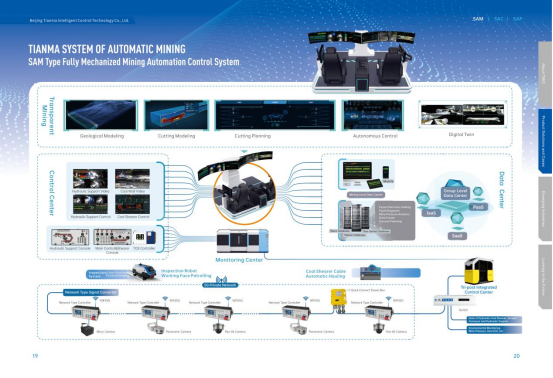
Comprehensive Mining Automation Control System
Beijing Tianma Intelligent Control Technology Co., Ltd.
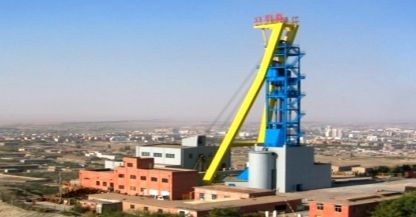
Core Technologies of the Mining Technology and Equipment Business Unit: Efficient Mining Methods and Processes
CHANGSHA INSTITUTE OF MINING RESEARCH CO., LTD.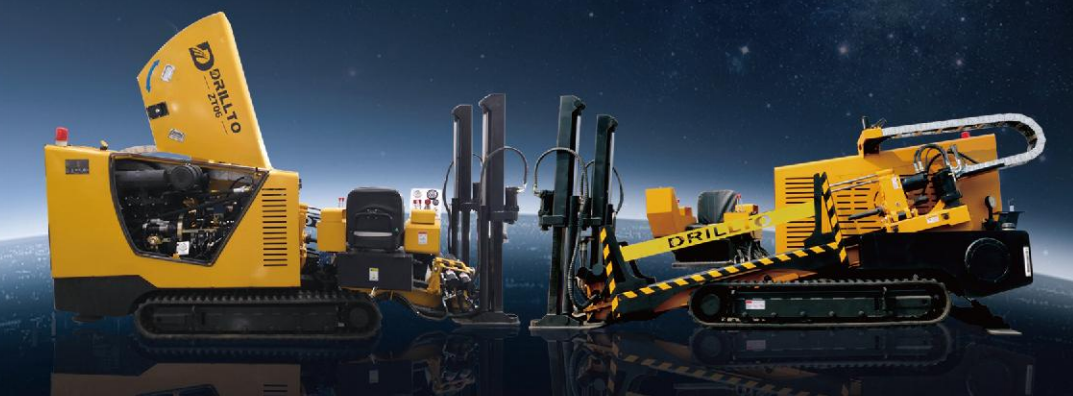
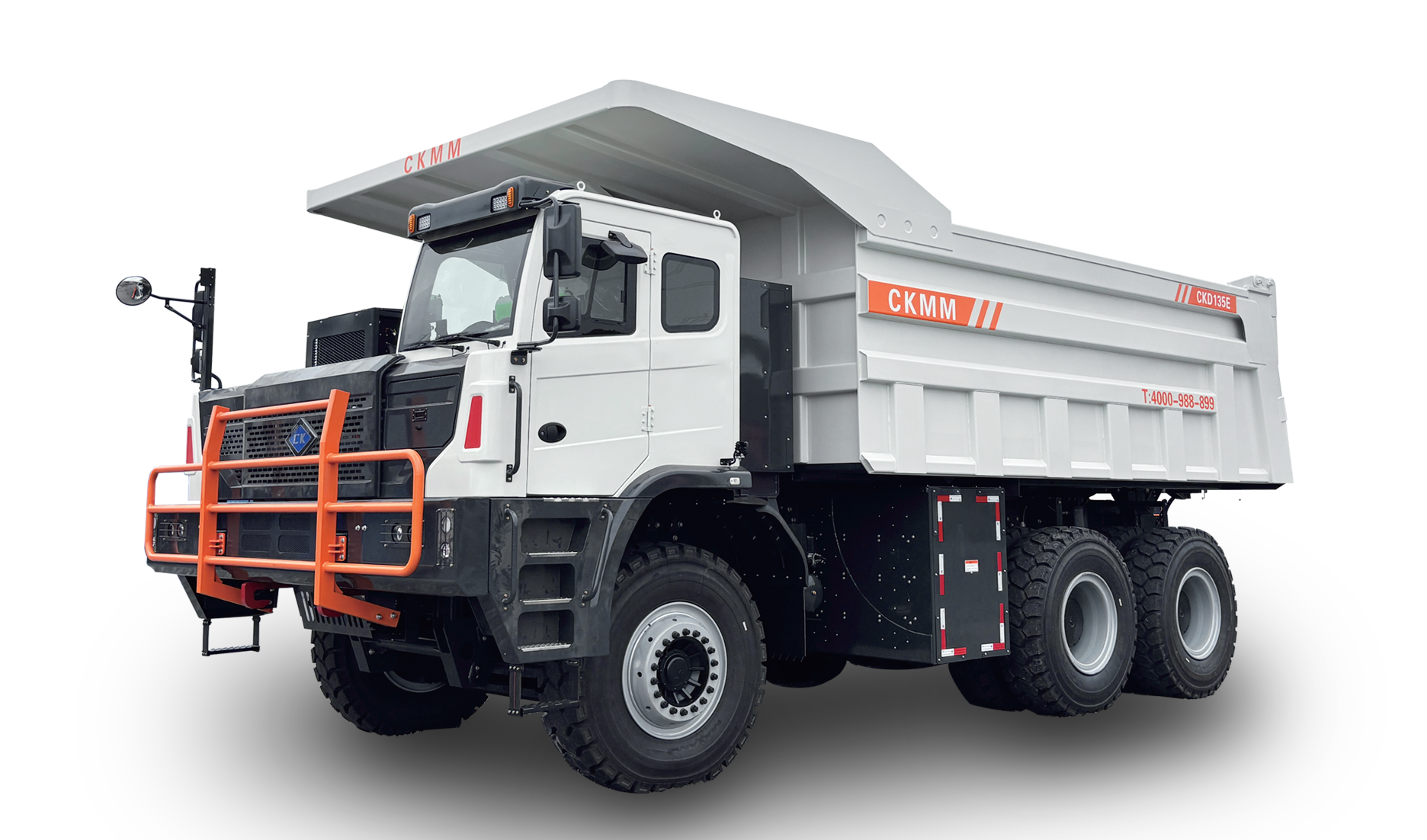
CKD135E Pure Electric Wide-body Dump Truck
Jiangsu Changkuang Engineering Machinery Co. Ltd.