Xiamen University Team Uses Prussian Blue to Push Perovskite Cell Efficiency Above 26%
en.Wedoany.com Reported - The team of Academician Zheng Nanfeng and Professor Wu Binghui from Xiamen University proposed in perovskite solar cell research the use of a Prussian blue framework to synergistically regulate perovskite material formation, defect evolution, and ion migration and distribution during device operation, providing a new approach for improving perovskite photovoltaic stability. On September 25, the related research results completed jointly by the team with Jinan University, Tsinghua University, and other collaborating institutions were published in the international academic journal Science.
Prussian blue is regarded as the first modern synthetic pigment in human history and has long been used in painting, printing, and cyanotype imaging. It also possesses special structural and chemical characteristics such as an open framework structure and mixed-valence centers, showing application potential in research on ion storage, ion transport, and redox processes.
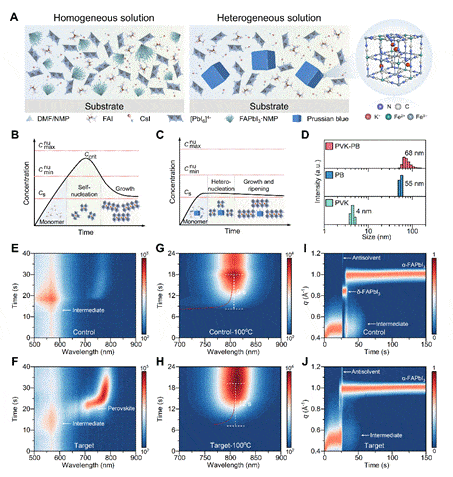
In the study, the researchers introduced Prussian blue nanoparticles into the perovskite light-absorbing layer. Leveraging their lattice characteristics similar to those of perovskite, reversible redox activity, and open framework structure, the nanoparticles were made to participate simultaneously in the regulation of two stages: material formation and device operation. The results showed that after the introduction of Prussian blue, the nucleation, intermediate-phase transformation, and crystal growth processes of perovskite were effectively regulated, and the resulting film exhibited a more pronounced preferred orientation and lower local strain; under an applied electric field, long-range ion migration and redistribution were suppressed, and electric-field-induced local potential changes were also significantly reduced.
To test the applicability of this material strategy under different device structures and area scale-up conditions, the research team carried out verification in both regular and inverted perovskite solar cells. After the introduction of Prussian blue, the photoelectric conversion efficiencies of both types of small-area devices exceeded 26%; during area scale-up, a 6 cm × 6 cm regular-structure module achieved an efficiency of 23.4%, and a 30 cm × 30 cm inverted-structure module achieved an efficiency of 22.9%.
This study treats the formation of the perovskite film and device operation as an interrelated continuous process, and uses the chemical properties of Prussian blue to synergistically regulate crystal growth, defect transformation, and ion migration, providing a new approach for designing open-framework materials with combined functions of structural guidance, redox buffering, and ion regulation.
Related Products

80kW Megawatt Supercharging Module TH80F10030C9
Shijiazhuang Tonhe Electronics Technologies Co., Ltd.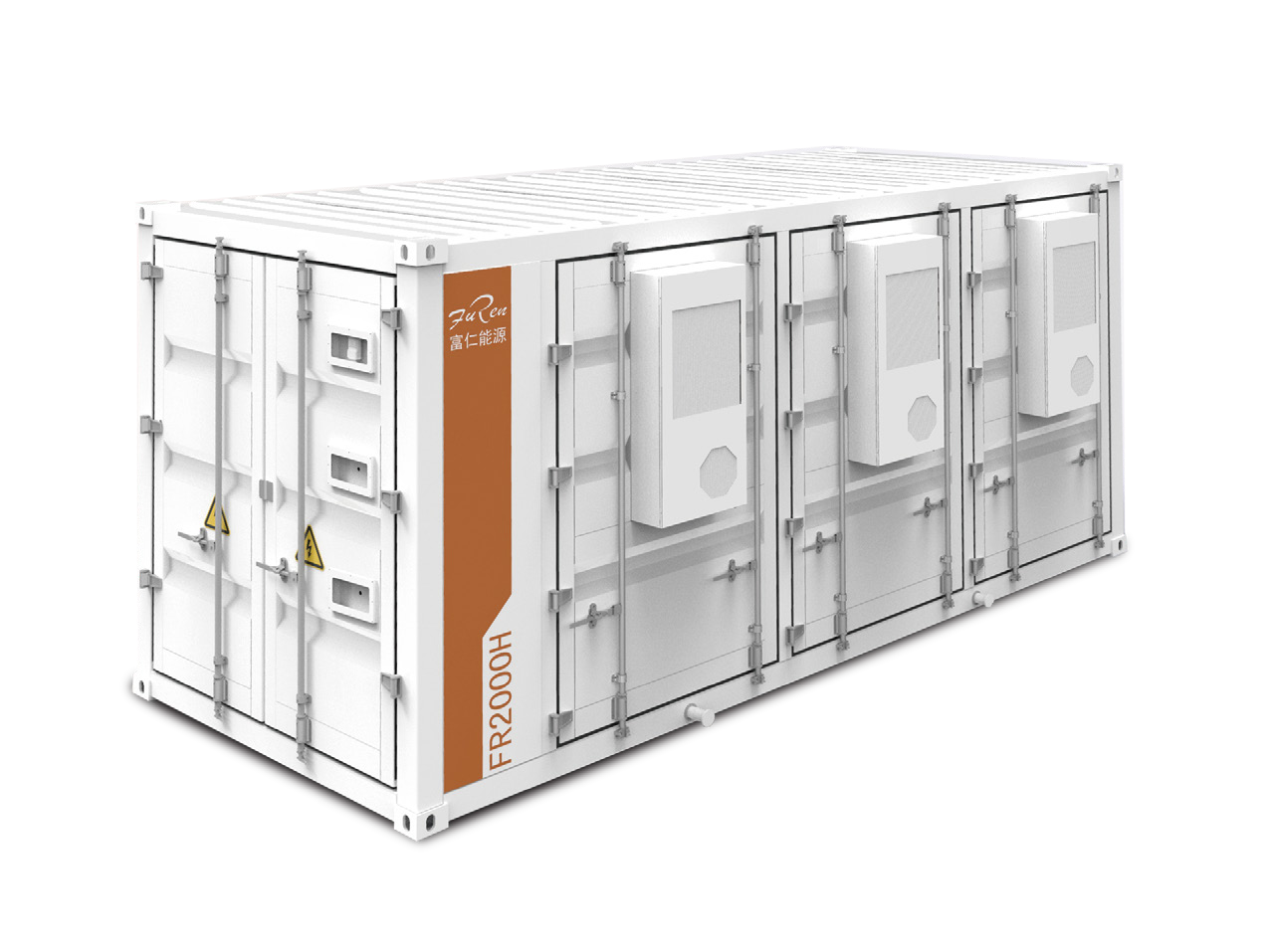
FR2000H 2.15MWh (Air-cooled) 20-foot Containerized Energy Storage System
Jiangyin Furen High-tech Co., Ltd.
Perfluorinated Ionic Membrane-CM-10N Series Membrane
Guizhou Juneng Century Technology Co., Ltd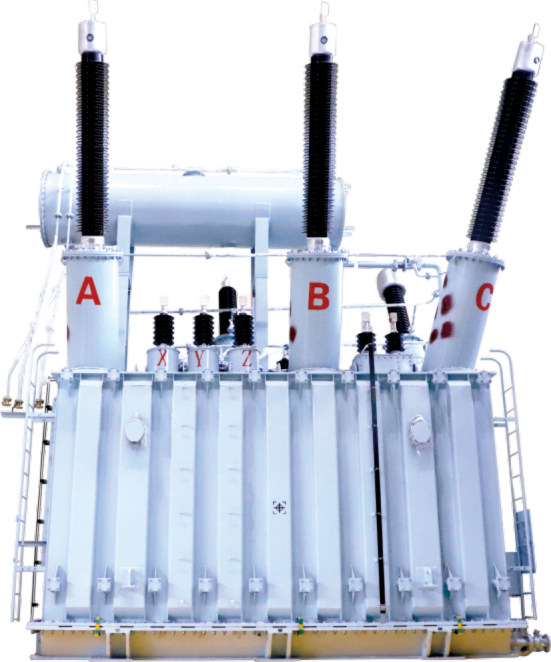
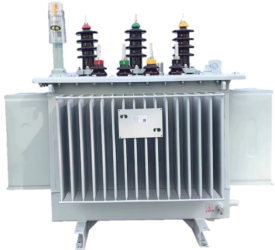
Oil-immersed Amorphous Alloy Core Distribution Transformer
Pinggao Group Smart Electric Co., Ltd.
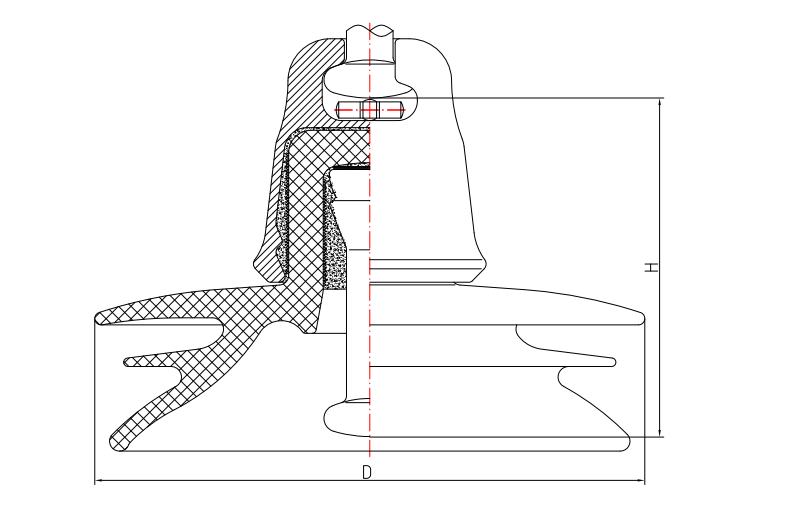
Post-type AC Pollution-resistant Disc Suspension Porcelain Insulator (Triple Umbrella Type)
Shandong High Voltage Insulator Co., Ltd.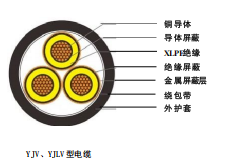
Rated Voltage 6-35kV Cross-linked Polyethylene Insulated Power Cable
TONGDING INTERCONNECTION INFORMATION CO., LTD.