John Crane Selected to Support Next-Generation Advanced Geothermal Power Project in the United States
en.Wedoany.com Reported - John Crane has been selected to support a next-generation advanced geothermal power project in the United States, supplying engineered wet seals, isolation seals, couplings, seal gas filters, and scrubber filters, as well as providing dynamic testing services for high-performance turbomachinery such as turboexpander turbines and critical centrifugal pumps.
The program as a whole aims to combine innovative drilling with modern surface power generation technology to deliver reliable, low-carbon electricity. Next-generation geothermal technology is moving from technical promise to commercial deployment. Advances in drilling and reservoir engineering are making thermal resources accessible at more locations, but a successful well is only the beginning; the field challenge lies in safely and steadily converting thermal energy into reliable electricity and maintaining consistent performance over decades of operation.
This requires developers and operators to pay close attention to surface facilities: pumps, turbomachinery, seals, couplings, and support systems that keep energy flowing through the plant. Equipment selection, material compatibility, testing, installation, and maintenance planning all affect whether a plant can achieve the availability and predictable performance required for steady low-carbon electricity.
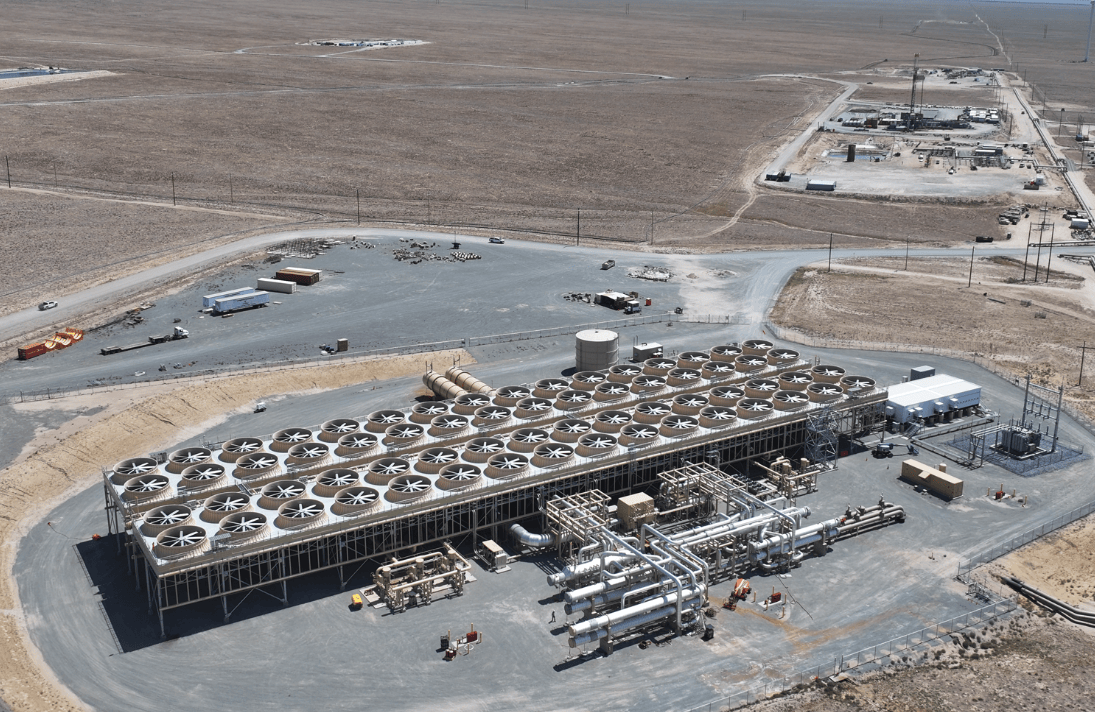
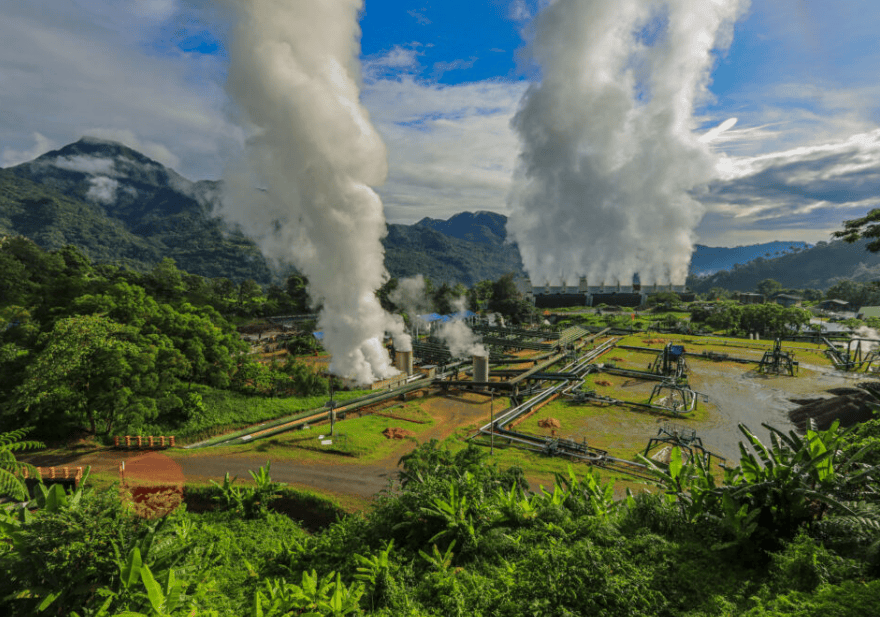
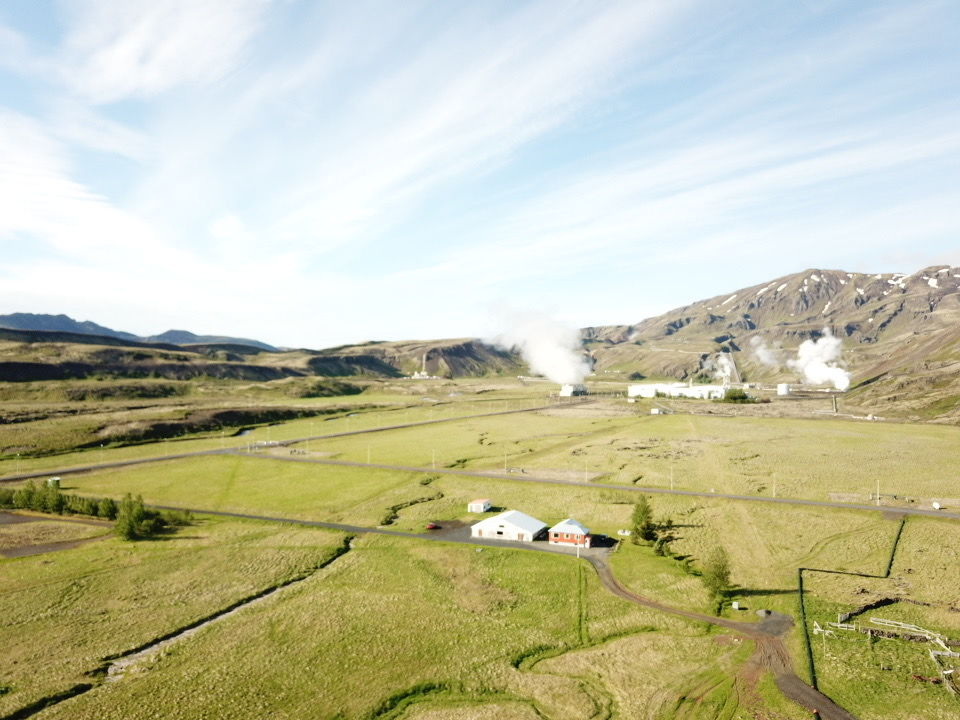
Geothermal projects vary in design, but the fundamental objective is the same: transport thermal energy from underground to a surface system (Figure 1), where it is converted into electricity. In conventional development, naturally occurring hot water or steam is brought to the surface through production wells; enhanced geothermal systems use engineering methods to create or improve fluid pathways in hot rock; other emerging configurations circulate fluid through closed underground loops. In either case, the cooled fluid is typically reinjected underground to help sustain the resource and complete the operating cycle.
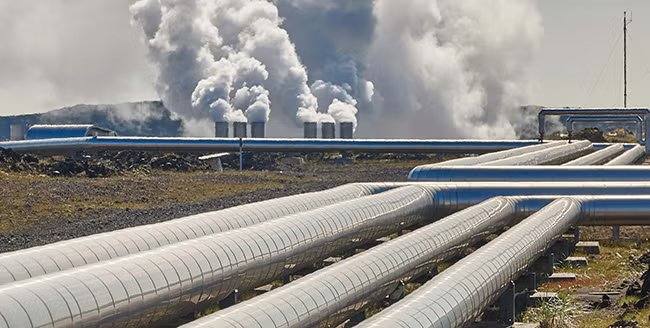
At the surface, thermal energy can directly drive turbines or, in binary-cycle plants, be transferred to a secondary working fluid such as an Organic Rankine Cycle (ORC) system. The specific arrangement depends on resource temperature, fluid chemistry, pressure, and project design. Regardless of configuration, rotating equipment must handle changing thermal and mechanical loads while maintaining sealing integrity and reliably transmitting power.
The project thus shifts from underground innovation to everyday industrial operation. Geothermal fluids may contain dissolved minerals and other constituents that can affect corrosion, deposition, and equipment wear; temperature and pressure change during startup, shutdown, and normal operation, thermal expansion can alter shaft alignment, and contamination can affect sensitive components. Therefore, a design that is feasible on paper must be translated into an operating system that can withstand real field conditions.
These components account for a relatively small portion of the overall plant, but their performance directly affects equipment availability—seal problems, coupling failures, or installation misalignment can affect much larger rotating equipment and interrupt power generation. Each component must be considered in conjunction with the process fluid, pressure, temperature, shaft speed, equipment layout, and expected operating cycle, and must work with the larger machine and its auxiliary systems throughout commissioning, normal operation, and planned maintenance.
Wet mechanical seals contain the process fluid where a rotating shaft passes through stationary equipment; their arrangement, face materials, and support systems must match operating conditions, and in geothermal service must account for temperature, pressure, fluid properties, the potential for deposition or contamination, and changes when equipment starts, stops, or switches between operating states. Isolation seals provide a controlled barrier between sections of a turbomachinery system, protecting the primary seal environment and preventing bearing oil or other contamination from impairing performance; their effectiveness depends not only on seal design but also on the condition and control of the support gas supply and proper installation. Couplings transmit torque between connected shafts while accommodating misalignment and displacement within specified limits, which is especially important when equipment is affected by thermal expansion; they must be selected as part of the complete drive train, with their stiffness, alignment requirements, and dynamic behavior understood alongside the corresponding characteristics of the driver and driven equipment. Filtration provides another layer of equipment protection: seal gas filters capture solid particles before they reach sensitive seal components, and scrubber filters separate entrained liquids from gas streams; together they supply cleaner, drier gas to the seal system, reducing the risk that contamination or liquid carryover will affect the reliability of the entire turbomachinery train.
Considering these technologies together helps avoid an important field risk: optimizing individual components without considering how they interact with the rest of the machine. The goal is not just for each component to work at startup, but for the entire equipment train to operate within a stable and maintainable range.
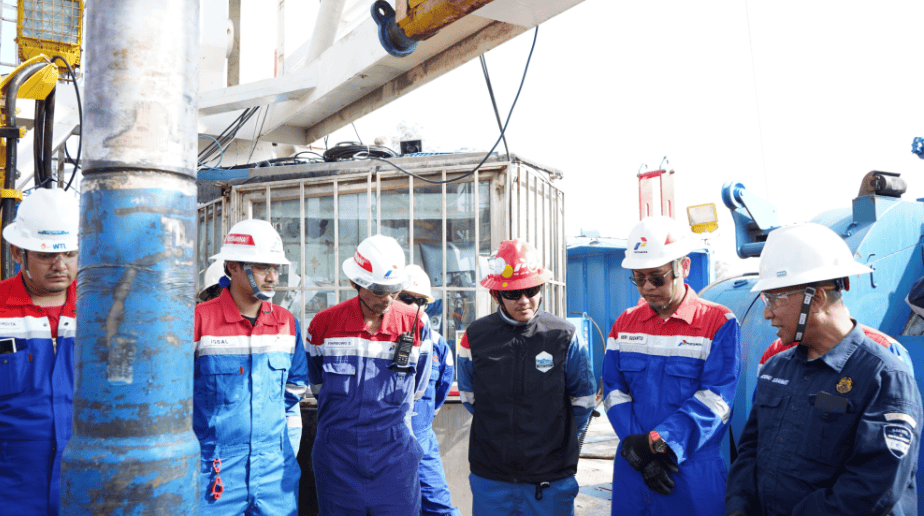
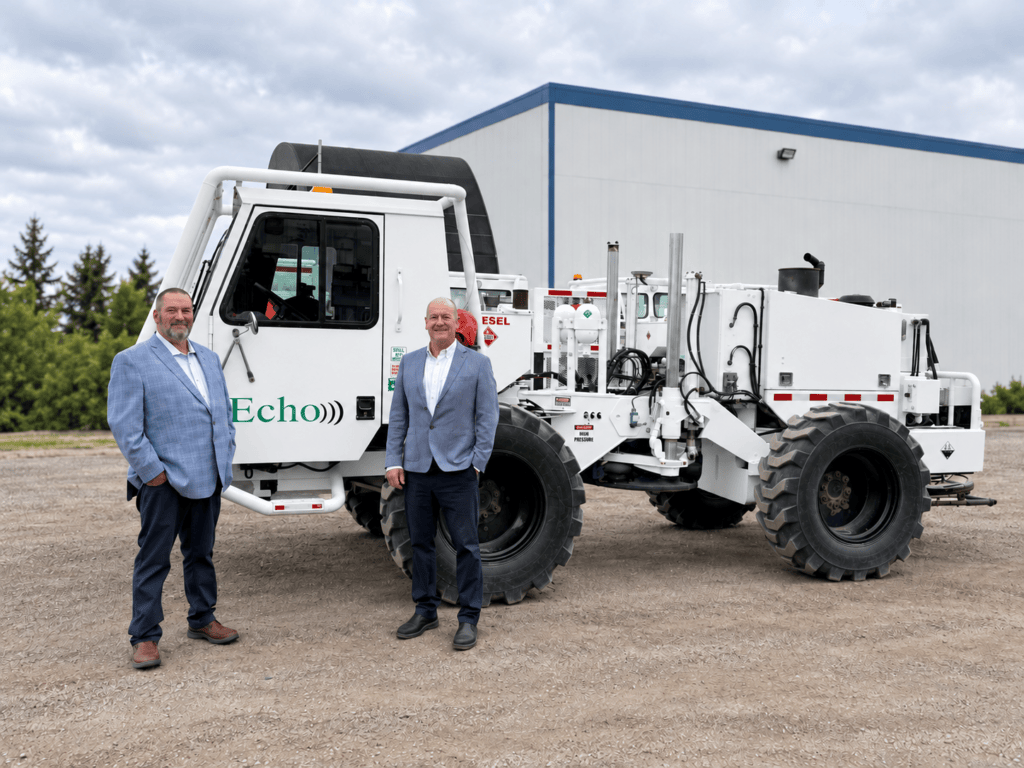
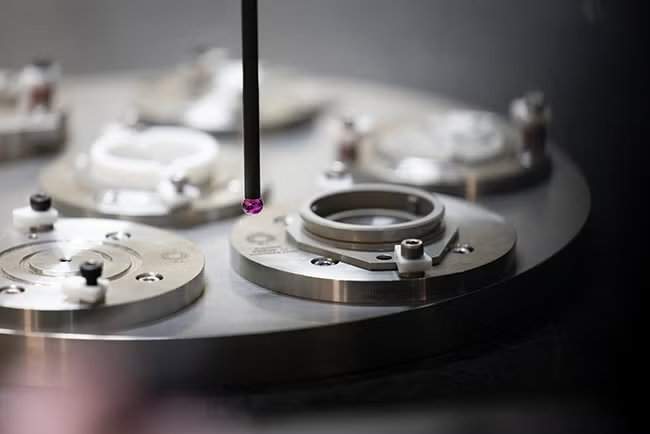
Dynamic testing (Figure 2) gives project teams the opportunity to examine component behavior before commissioning, confirm that equipment operates as expected, identify integration issues, and generate evidence to support installation and operating decisions. Finding deviations in a controlled test environment is far less impactful than discovering problems during field startup or after the plant enters commercial operation. Test results can also establish baseline performance data, inspection requirements, and maintenance planning that can be used to evaluate future changes in vibration, temperature, leakage, or other operating indicators, and to inform installation checks, commissioning procedures, operator guidelines, and equipment service strategies. For innovative designs, testing is also a risk mitigation measure, enabling operators to anticipate and resolve potential issues in a controlled environment rather than in the field.
Once equipment arrives on site, reliability planning must continue. Proper storage, handling, installation, and alignment are critical; before startup, teams should confirm that seal support systems are clean and operating as intended, that couplings are installed and aligned within specified limits, and that baseline readings have been captured for critical assets. After the plant enters operation, monitoring vibration, temperature, pressure, and leakage can reveal early signs of wear, misalignment, contamination, or changes in process conditions, enabling engineers to identify changes rather than relying solely on fixed maintenance intervals, and to plan responses around power generation demand, reducing the likelihood that developing issues escalate into forced outages. Operating data should also feed back into maintenance strategy: if a component repeatedly wears, the first priority is to identify the root cause, which may lie in the seal or coupling, or may be a change in fluid conditions, alignment, auxiliary system performance, or how the equipment is operated. Root cause analysis helps teams correct system issues rather than repeatedly replacing symptomatic components.
Next-generation advanced geothermal has the potential to extend steady, low-carbon electricity to regions that previously could not access conventional geothermal resources. To scale successfully, it is not enough to drill faster or deeper; projects must also demonstrate that their surface facilities can operate safely, predictably, and economically. This U.S. project demonstrates the need to define field conditions clearly, select components as part of a broader rotating equipment system, test performance before commissioning, and carry the resulting knowledge into installation, operation, and maintenance. These practices are well established in other demanding energy industries, but must be applied to the thermal, chemical, and operational characteristics specific to geothermal conditions. For developers, utilities, and investors, the most important outcome is reliable power generation—building reliability into the complete project, from underground thermal energy to surface rotating equipment.
Related Products

Forest and Grassland Heat Source Infrared Monitor
China Huayun Meteorological Technology Group Co., Ltd.
Industrial and Commercial Point-Type Gas Detector
Jinan Benan Technology Development Co., Ltd.
1000kV Jin Southeast-Nanyang-Jingmen UHV AC Transmission and Transformation Pilot Demonstration Project
Anhui Hongyuan Steel Tower Co., Ltd.
Ultrasonic Wind Speed and Direction Instrument
Kingmach Measurement & Monitoring Technology Co., Ltd.

Off-Grid Fuel Cell Supercharging Station (180kW Configuration)
Shanghai REFIRE Group Limited
Oil-immersed Amorphous Alloy Core Distribution Transformer
Pinggao Group Smart Electric Co., Ltd.