Chinese Team Develops Bilayer Transparent Conductive Film with 96.36% Electrostatic Dust Removal Rate for Photovoltaic Panels
en.Wedoany.com Reported - A Chinese research team has developed a bilayer transparent conductive film for non-contact electrostatic dust removal from solar panels, using single-walled carbon nanotubes (SWCNTs) and magnesium fluoride (MgF2). In tests, the MgF2-coated sample achieved an electrostatic dust removal rate of 96.36%, while the uncoated SWCNT control film reached approximately 84.08%; the maximum transmittance was 91.4%, the minimum haze was 0.12%, and the normalized efficiency after cleaning was 91.97%.
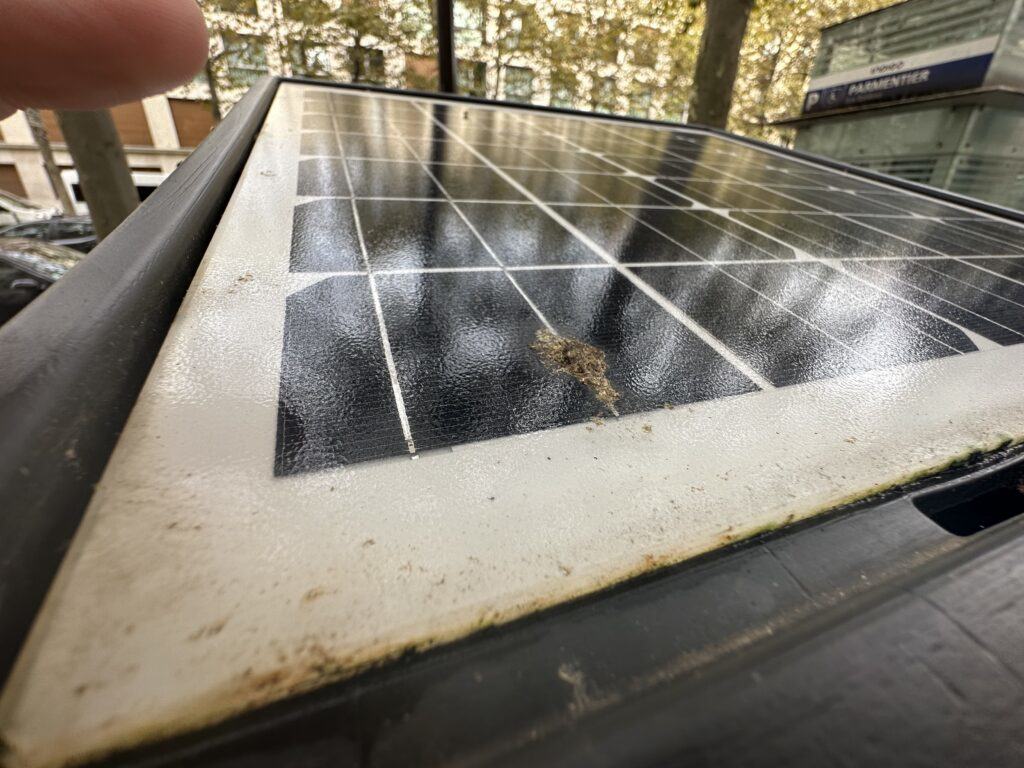
SWCNTs are both conductive and transparent, but their surface is relatively rough and prone to dust adsorption; the MgF2 layer is used to smooth the surface and assist in dust removal. The study investigated the effects of MgF2 thickness on the optical, electrical, surface, and electrostatic dust removal properties of the films.
Fabrication was carried out on 50 mm × 50 mm × 0.7 mm glass substrates: SWCNTs were first dispersed in water with a dispersant and a film-forming aid, then coated with a bar coater to form a conductive network, followed by annealing and rinsing; subsequently, MgF2 layers of 40 nm, 80 nm, 120 nm, and 160 nm were deposited by electron beam evaporation. The SWCNT film without MgF2 coating served as the control.
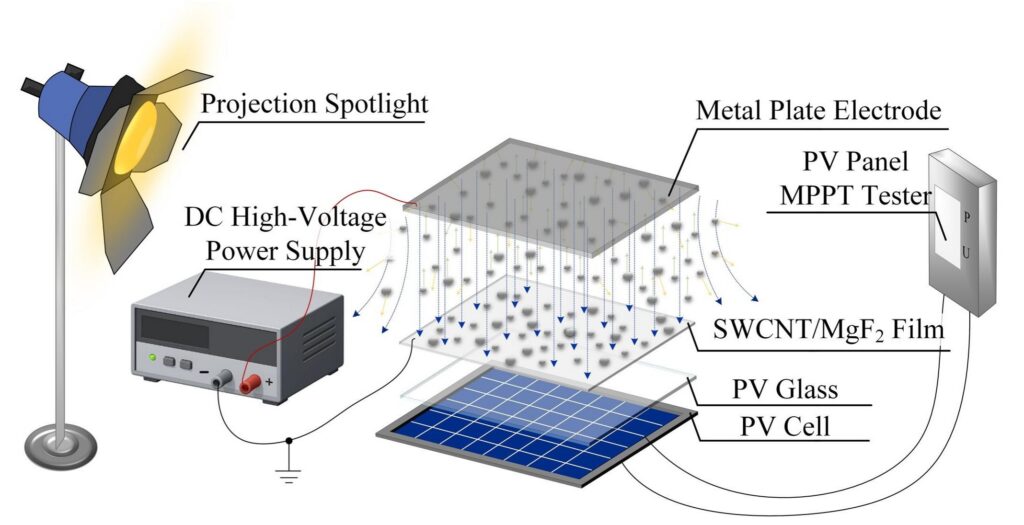
After characterization, the coated glass was placed above photovoltaic cells and tested with natural sand collected from the Kubuqi, Tengger, and Taklamakan deserts. An external DC power supply and a metal plate positioned 1 cm from the grounded coating generated an electric field, and the sand removal ratio and the power output of the cells after cleaning were measured.
The results showed that MgF2 layers of 80 nm to 120 nm provided a relatively balanced combination of optical, surface, and electrostatic cleaning performance. Moderate deposition preserved the continuous SWCNT network, reducing the root-mean-square roughness from 5.316 nm to 3.747 nm; the water contact angle reached 111°, the total surface energy dropped to 19.68 mN/m, and the self-cleaning rate increased from 65.01% to 78.68%, indicating that MgF2 can reduce dust adhesion and promote water-assisted dust removal.
MgF2 deposition improved optical performance, but the thicker the layer, the greater the conductivity loss. The researchers concluded that the 80 nm coating offers the best compromise between optoelectronic and dust removal performance; if transmittance and photovoltaic power output recovery are prioritized, the 120 nm coating is preferable.
The paper "Thickness-engineered SWCNT/MgF2 bilayer transparent conductive films for coupled antireflection and electrostatic dust removal on photovoltaic panels" was published in Materials & Design. Participating institutions include North China Electric Power University, State Grid Sichuan Electric Power Research Institute, Yingli Energy Development, and Hebei University.
Related Products


Jiujiang Pinggang 125MW Subcritical Gas Power Generation Project
Capital Engineering & Research Incorporation Limited
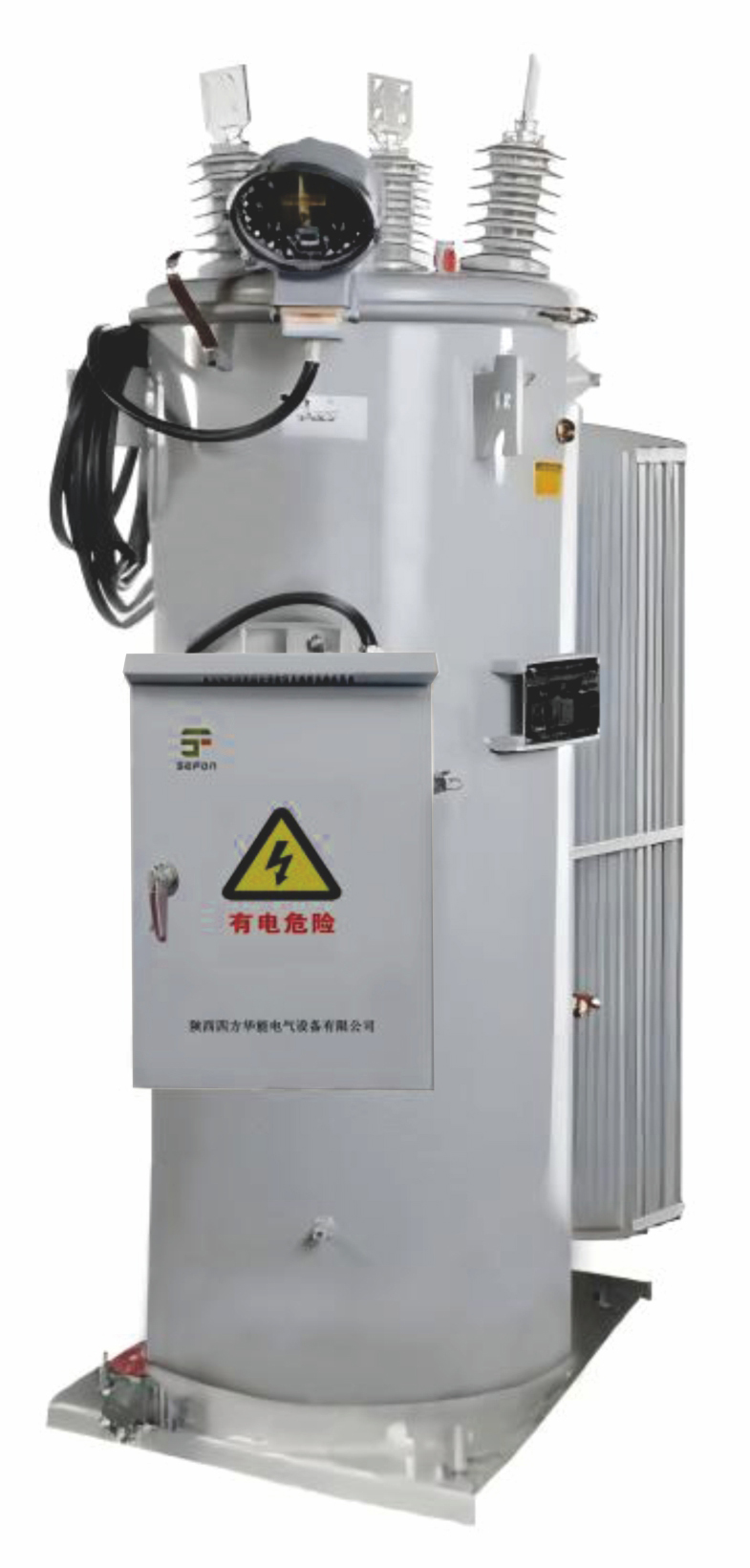
Single-Phase Automatic Voltage Regulator(AVR)
Shaanxi Sefon Electrical Equipment Co.,Ltd.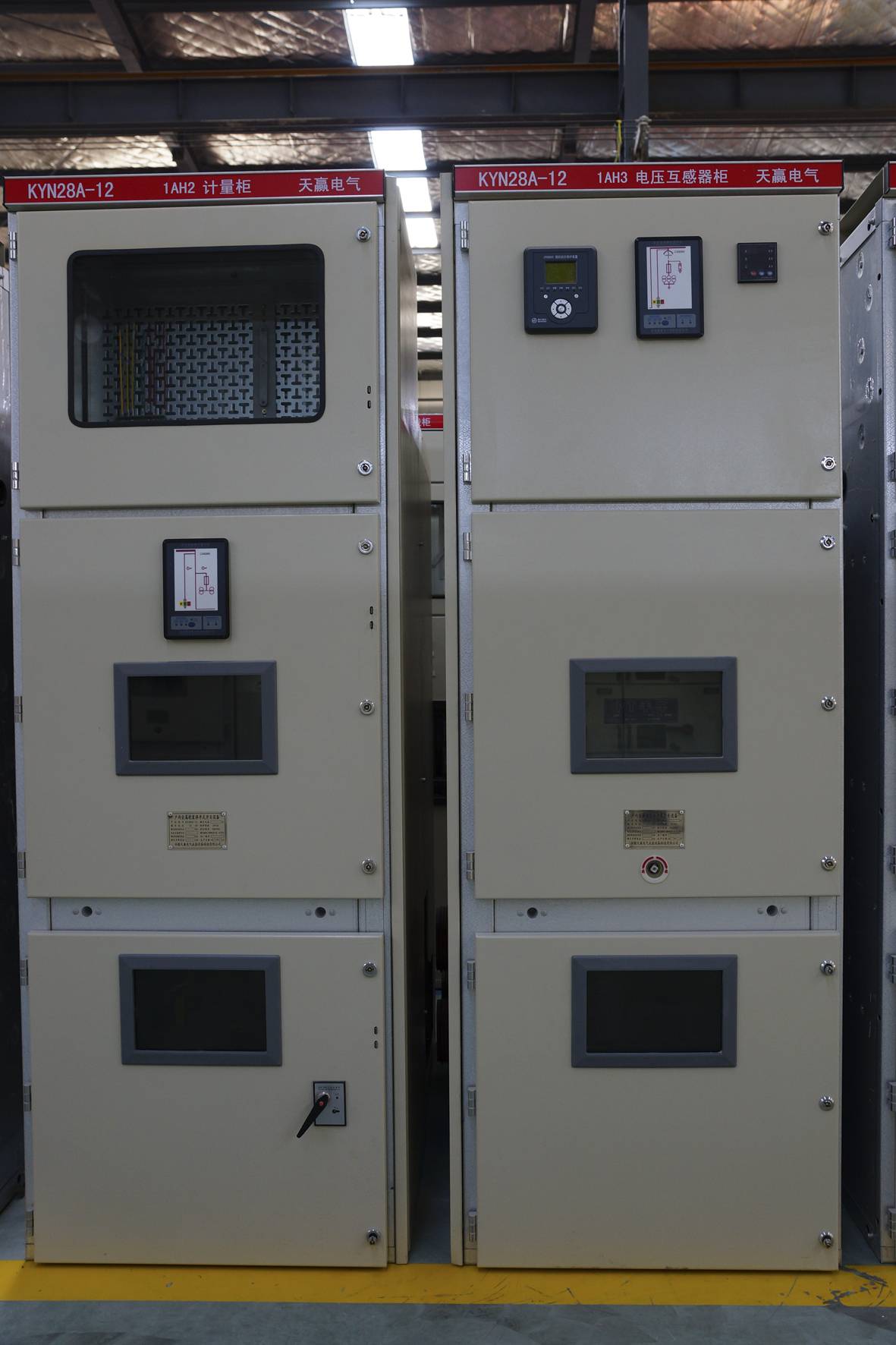
KYN28 - High Voltage Switchgear
Anhui Tianying Electrical Equipment Manufacturing Co., Ltd.

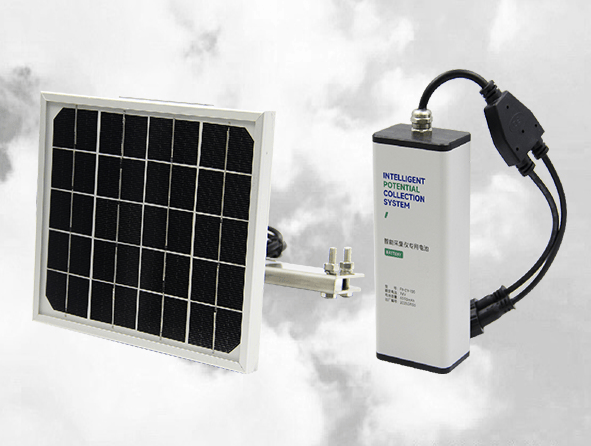
Inductive Power Harvesting Self-Powered Device - Safuneng
SELF ENERGY TECHNOLOGY (SHENZHEN) CO., LTD.