Prussian Blue from the Chinese Academy of Sciences Enables Perovskite Cell Efficiency of 26.9%
en.Wedoany.com Reported - A research team from the Chinese Academy of Sciences (CAS) used Prussian Blue (PB) nanoparticles to stabilize formamidinium lead iodide (FAPbI3) perovskite films, achieving efficiency improvements in both conventional (n-i-p) and inverted (p-i-n) perovskite solar cells while also improving device stability. The related paper, "Prussian blue regulates ion dynamics in perovskite solar cells," was published in Science.
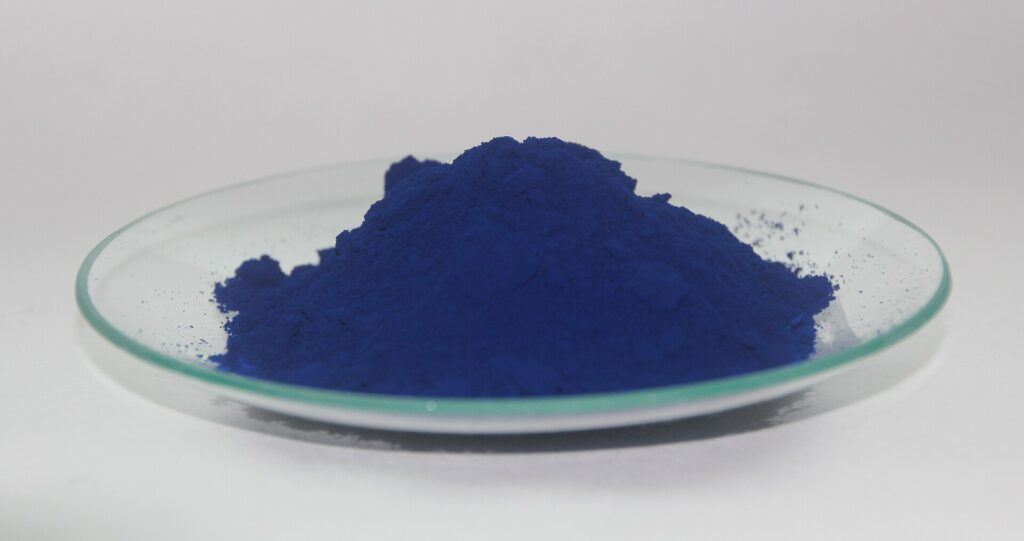
Prussian Blue is an iron-based compound known for its strong visible-light absorption capability and electrochemical properties. Researchers had previously used it as a photosensitizer in dye-sensitized solar cells, confirming that it can absorb sunlight and generate photocurrent, but its photovoltaic performance was limited. This time, the research team turned to examining its application potential in perovskite solar cells.
In the study, PB nanoparticles were used as structural templates to control the crystallization process of FAPbI3, promoting more uniform crystal growth while suppressing unwanted intermediate phases, which favors the formation of the photoactive α-phase—the crystal structure necessary for efficient light absorption and power generation. According to the researchers, this approach improved crystal orientation, reduced lattice strain, and limited non-radiative recombination losses.
Corresponding author Yu Chen stated that the main advance of this research lies in the use of a structurally compatible Prussian Blue framework that remains functional during both film formation and device operation: it guides perovskite crystallization, regulates the conversion of anomalous lead and iodine species, and also restricts the redistribution of A-site cations, thereby maintaining electronic uniformity under bias and supporting efficient, stable large-area modules.
In terms of defect and ion migration control, PB nanoparticles limited the formation of internal defects and ion migration within the material, helping to reduce metallic lead and neutral iodine defects back to their original ionic states; their rigid crystal structure captured mobile ions, especially cesium, restricting their movement under electric fields. As a result, defect density decreased, charge transport improved, and energy losses from non-radiative recombination were suppressed.
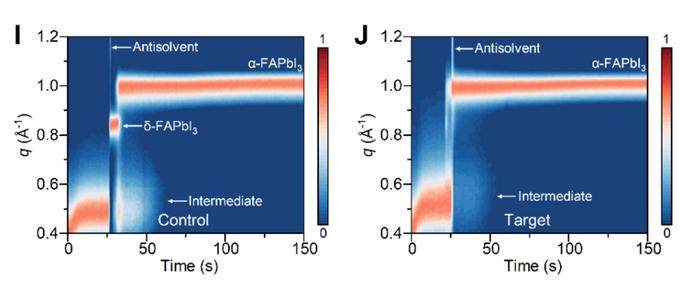
The nanoparticles also raised the activation energy for ion migration from 0.89 eV to 1.25 eV, making ion movement more difficult. The researchers believe these effects help perovskite films resist electric-field-induced, thermal-induced, and light-induced degradation.
In device testing, the power conversion efficiency of conventional cells increased from 24.2% to 26.1%; inverted cells improved from 26.0% for untreated devices to 26.9%, a result independently certified at 26.2%. The research team attributed the improvements to more efficient charge separation and extraction, reduced non-radiative recombination, and suppressed ion migration.
After scaling up to larger devices, a 6 cm × 6 cm conventional mini-module achieved an efficiency of 23.4%, compared with 20.1% for the reference device; a 30 cm × 30 cm inverted sub-module with an aperture area of 756 cm² achieved a certified efficiency of 22.9% and a stabilized efficiency of 22.8%.
Stability tests also produced positive results. The conventional mini-module retained more than 90% of its initial efficiency after 2,500 hours at 85 °C and 85% relative humidity; after 2,200 hours of continuous operation at 65 °C and 50% relative humidity, it retained more than 80%.
Accelerated aging tests on the larger inverted sub-module showed an estimated T80 lifetime of about seven years under continuous illumination at 35 °C. T80 refers to the time required for a solar cell or module to lose 20% of its initial efficiency under specific operating conditions. The researchers noted that this predicted lifetime was extrapolated from accelerated aging tests and was not verified through actual long-term operation.
In a five-month outdoor test in Zhuhai, China, the PB-treated sub-module showed no "perceptible" performance degradation relative to a commercial silicon reference device.
Yu Chen stated that these findings highlight the potential of open-framework materials in improving solar cell efficiency, enabling scalable production, and enhancing the long-term reliability of perovskite photovoltaics.
Related Products


Modular Multifunctional Water Supply and Drainage Vehicle (18T)
Changsha Dewater Machinery Technology Co., Ltd.
220kV and Below Voltage Level Energy-saving Oil-immersed Power Transformers
FuZhou TianYu Electric Co., Ltd.
Pneumatic high-pressure wear-resistant ball valve
Zhejiang Deca Control Valve Meter Co., Ltd.
KYN28A-12 Metal Armored Removable Switchgear
Tianjin Ping Gao Intelligent Electric Co., Ltd.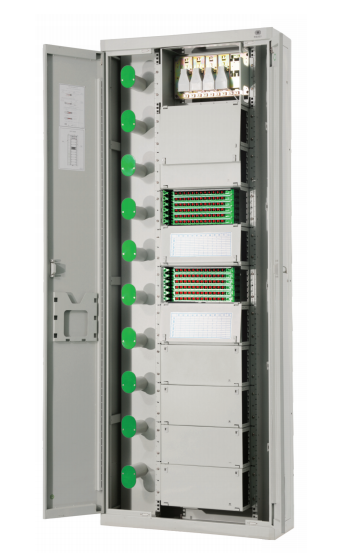
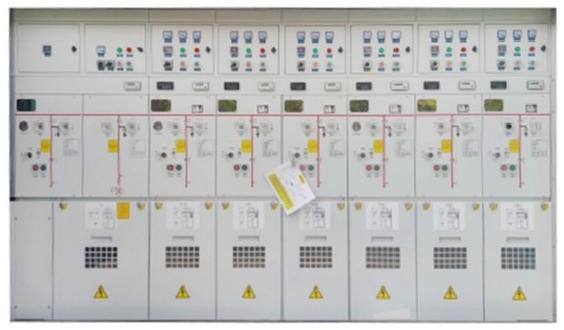
NISELA Series Environmentally Friendly Gas-Insulated Ring Main Unit
XJ DELISHIER ELECTRIC CO., LTD.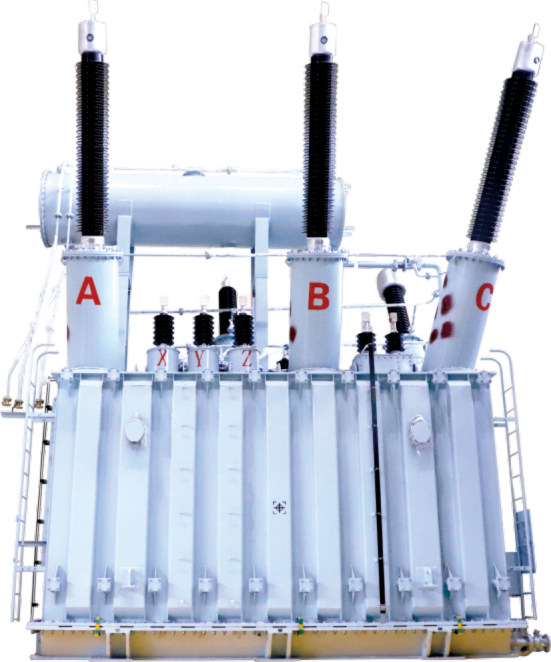
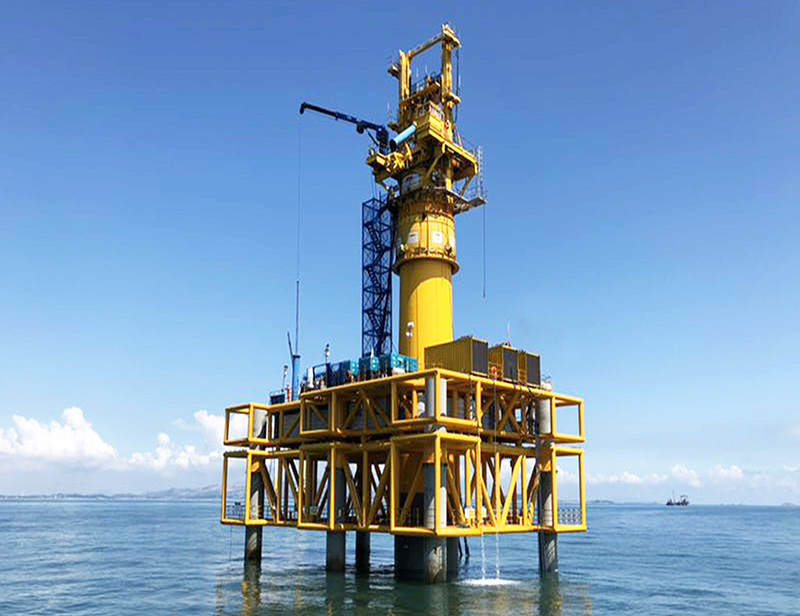
CITIC Heavy Industries Offshore Wind Power Equipment Hydraulic Pile Hammer
CITIC Heavy Industries Co., Ltd.
40.5kV-1100kV Gas Insulated Metal-Enclosed Switchgear (GIS)
Henan Pinggao Electric Co., Ltd.
IS(B)□-M·RL Series Oil-immersed 3D Transformer (Planar / 3D Wound Core)
Guangdong Kehua Electric Power Technology Co., Ltd.