New York State Awards Nearly $13 Million to 15 Energy Storage R&D Projects
en.Wedoany.com Reported - On November 6, the New York State Energy Research and Development Authority (NYSERDA) awarded nearly $13 million to 15 advanced energy storage technology research, development, and demonstration projects, supporting long-duration energy storage systems, novel battery materials, energy storage equipment manufacturing, and key component technology development. This round of funding was implemented through the Power Generation and Energy Storage Innovation Program, covering technology pathways including iron-sodium batteries, sodium-ion batteries, zinc-based batteries, flow batteries, metal-air batteries, and advanced lithium batteries. The relevant projects have entered the R&D, prototype validation, or demonstration implementation phase under the funding support.
Inlyte Energy received more than $2.4 million, the highest single award amount in this round. The company will deploy an iron-sodium battery energy storage system with a continuous discharge duration exceeding 10 hours to validate its capability to address peak load growth at substations and enhance distribution network resilience. Another company, Urban Electric Power, received nearly $1.5 million to develop a zinc-manganese oxide long-duration energy storage system equipped with advanced monitoring and control technology, and to conduct technology validation.
$1.8 million will be used for Standard Potential's sodium-ion portable power supply development. The project plans to complete equipment prototype design, manufacturing, and certification, and to develop terminal load regulation technology capable of participating in urban electricity demand response. Alsym Energy received more than $290,000 to collaborate with the Rochester Institute of Technology Battery Development Center to design and test a 10 kWh non-flammable sodium-ion battery prototype system.
Sprocket Power received more than $1 million in support to demonstrate a DC fast charging station powered by an underground vanadium redox flow battery. Aestus Energy Storage received more than $590,000 and plans to conduct approximately 35 kWh scale-down testing of two types of alumina-silica ceramic thermal storage materials, with test results to be used in the design of a 20 MWh advanced compressed air energy storage system. Respire Energy received more than $850,000 to collaborate with Binghamton University's Northeast Center for Chemical Energy Storage, Intertek, and Bettergy to optimize key components of metal-air batteries and conduct prototype testing.
Daqus Energy received nearly $1 million to collaborate with Binghamton University's Northeast Center for Chemical Energy Storage to develop metal-free organic cathode materials for long-duration energy storage. LiNova Energy received nearly $720,000 to develop lithium-ion batteries using polymer cathodes free of critical minerals. Graphenix Development received more than $700,000 and plans to combine all-silicon anodes with high-energy sulfur cathodes to advance the development of novel high-energy-density lithium-ion batteries.
IBEX Materials received $750,000 to scale up the preparation of silicon-rich graphite-free anode materials and conduct integration validation with solid-state electrolytes. InfinitEnergy received $250,000 to develop high-energy-density solid-state batteries that operate without external mechanical pressure. LiBAMA Power received more than $400,000 to collaborate with non-flammable electrolyte supplier Elementium to advance the development and performance testing of advanced metal anodes.
Electrode manufacturing technology is also included in this round of funding. AlphaEn received more than $350,000 to develop a modular roll-to-roll lithium metal electrode manufacturing platform and to study the preparation of electrodes using lithium materials recovered from decommissioned equipment. Orion Polymer received $250,000 to validate specialized separator technology for lithium-sulfur batteries by manufacturing pouch cell prototypes.
The 15 R&D and demonstration projects were selected through a competitive process, with funding recipients including New York State companies, organizations collaborating with New York State companies, and projects conducting technology R&D and demonstration in New York State. Funding comes from the New York State Clean Energy Fund, with R&D tasks covering different technology maturity stages including battery material development, key component manufacturing, system prototype testing, and energy storage application demonstrations.
Related Products

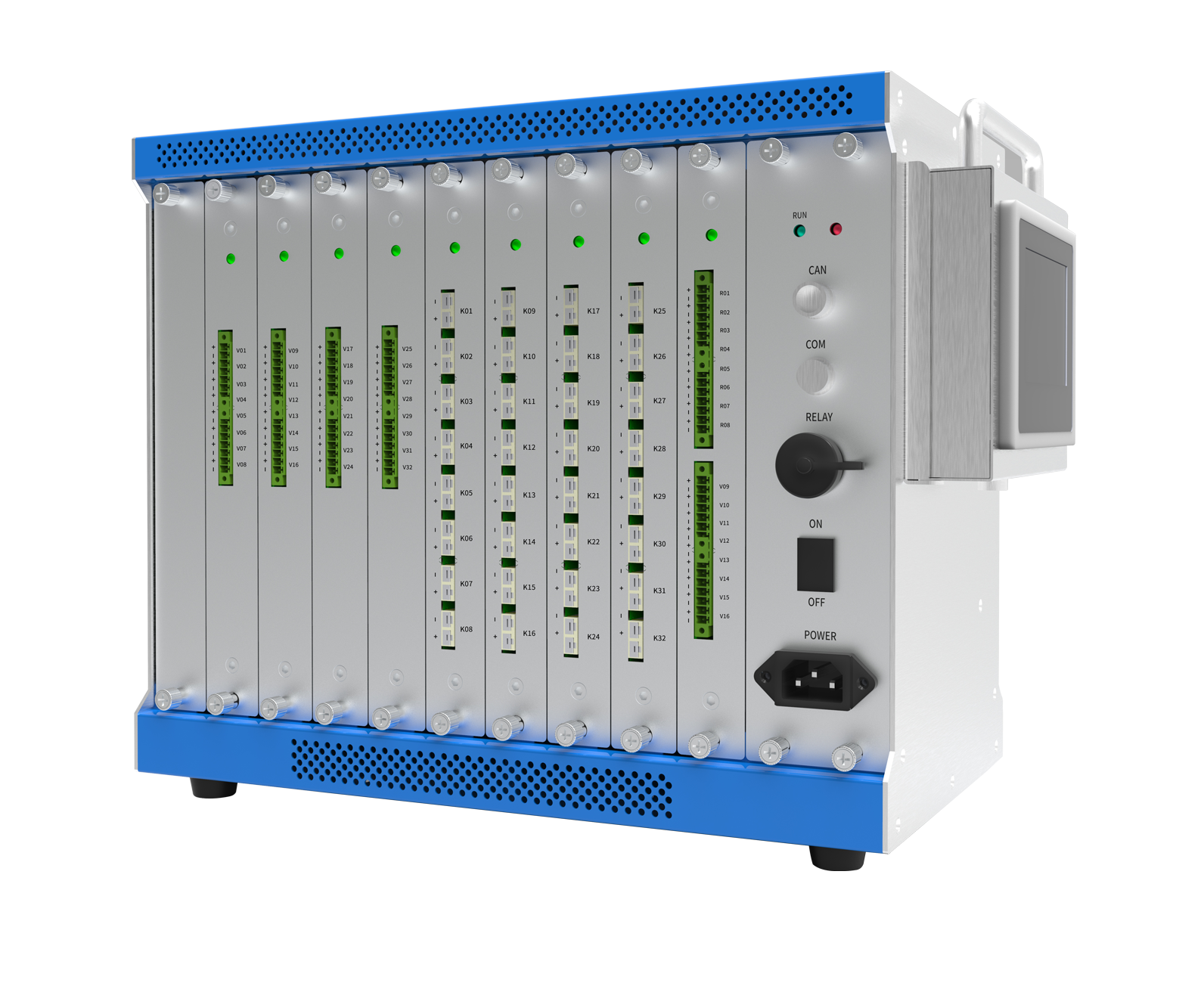
Optional Accessory - Auxiliary Sampling Module
Beijing Soaring Electric Technology Co., Ltd.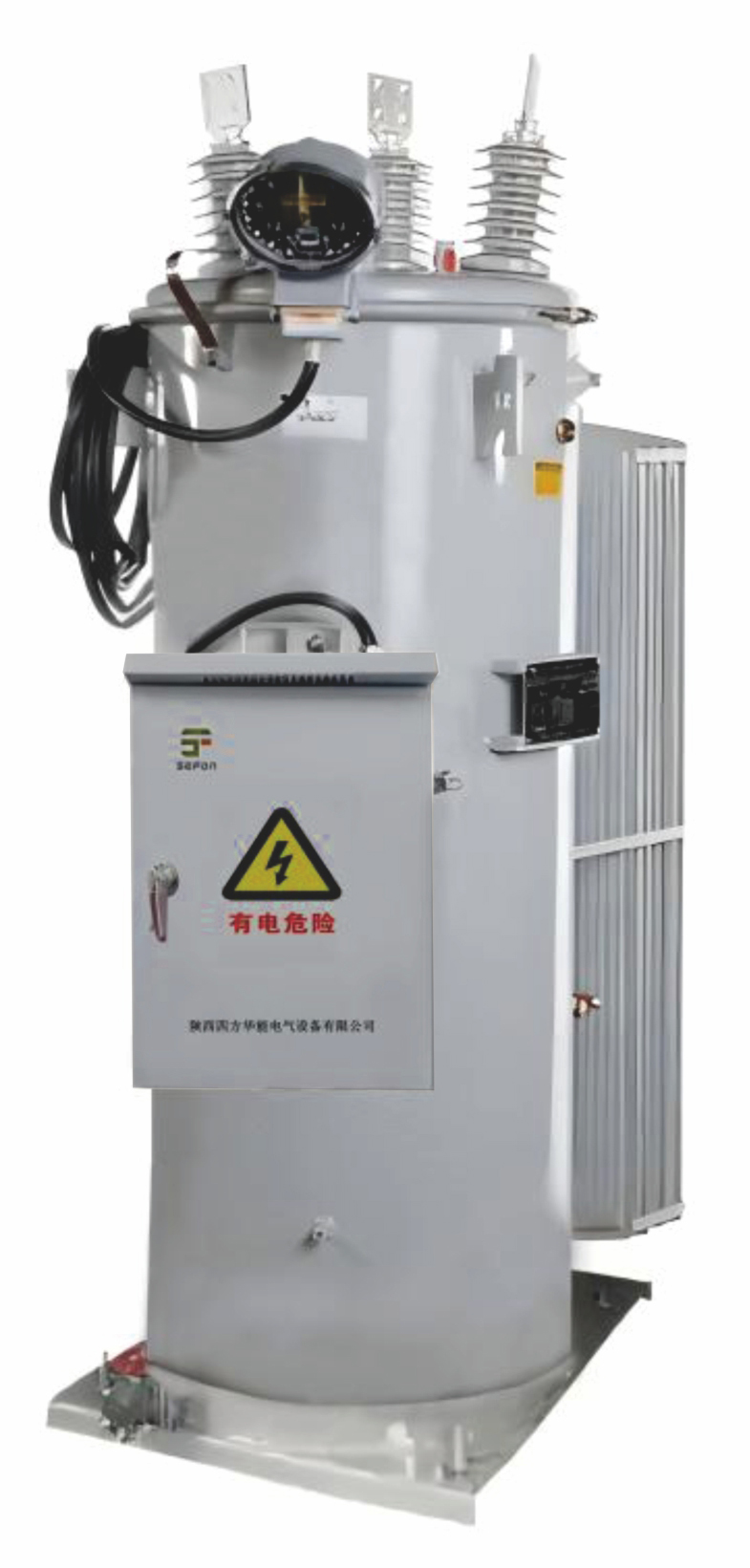
Single-Phase Automatic Voltage Regulator(AVR)
Shaanxi Sefon Electrical Equipment Co.,Ltd.
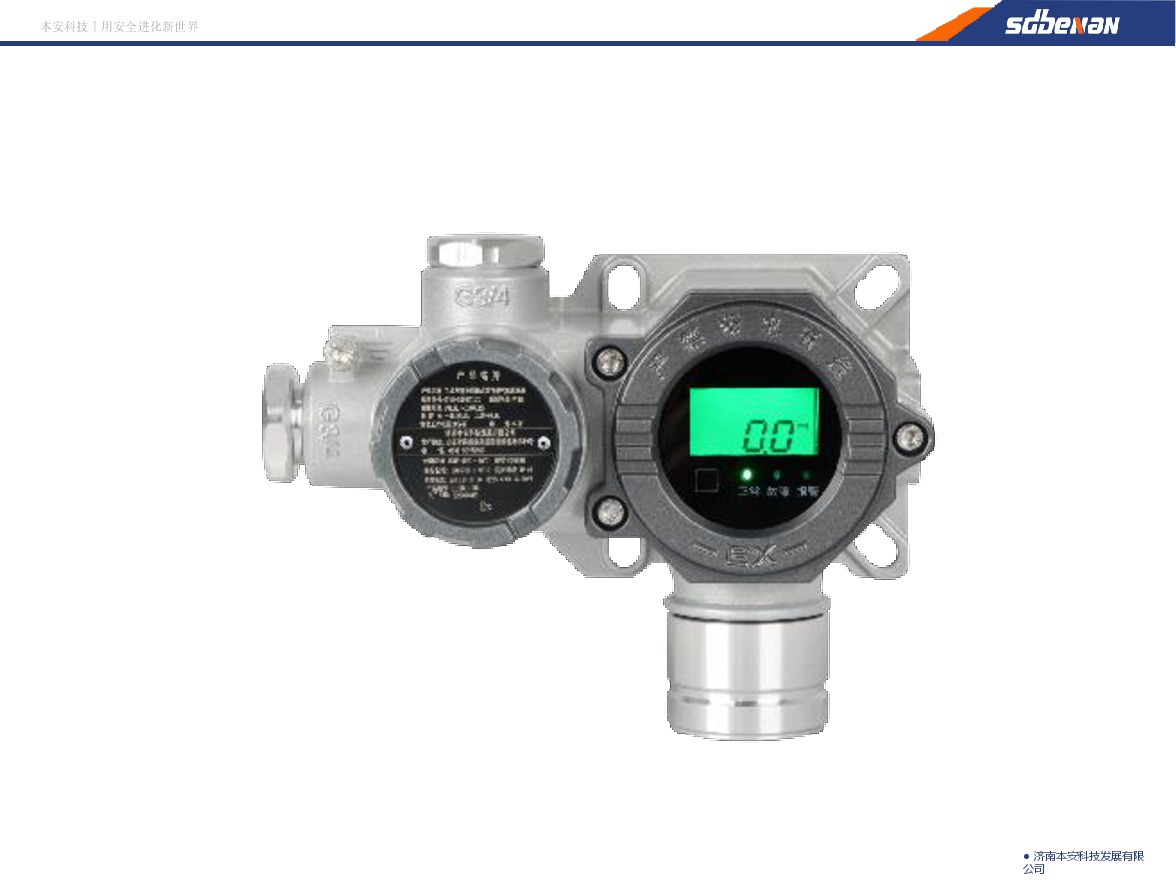
Industrial and Commercial Point-Type Gas Detector
Jinan Benan Technology Development Co., Ltd.
Smart Photovoltaic Prefabricated Substation
Shanghai Jinyou Jinhong Intelligent Electric Co., Ltd.
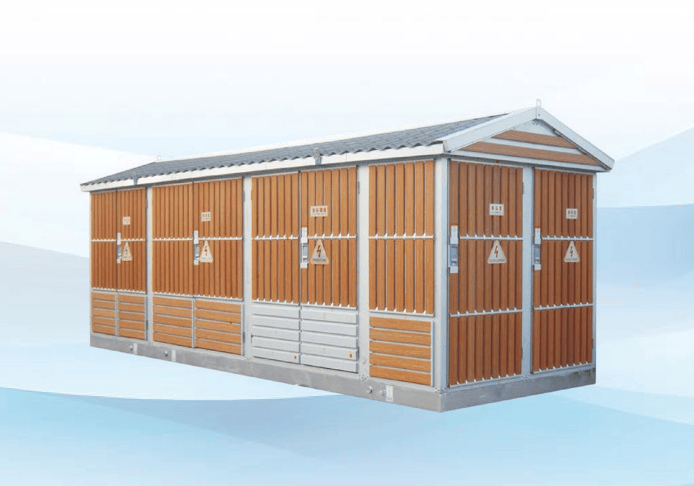
YB □ -12/0.4/1250 Outdoor Prefabricated Substation (European Style)
Shangrao Shangyu Intelligent Electric Co., Ltd.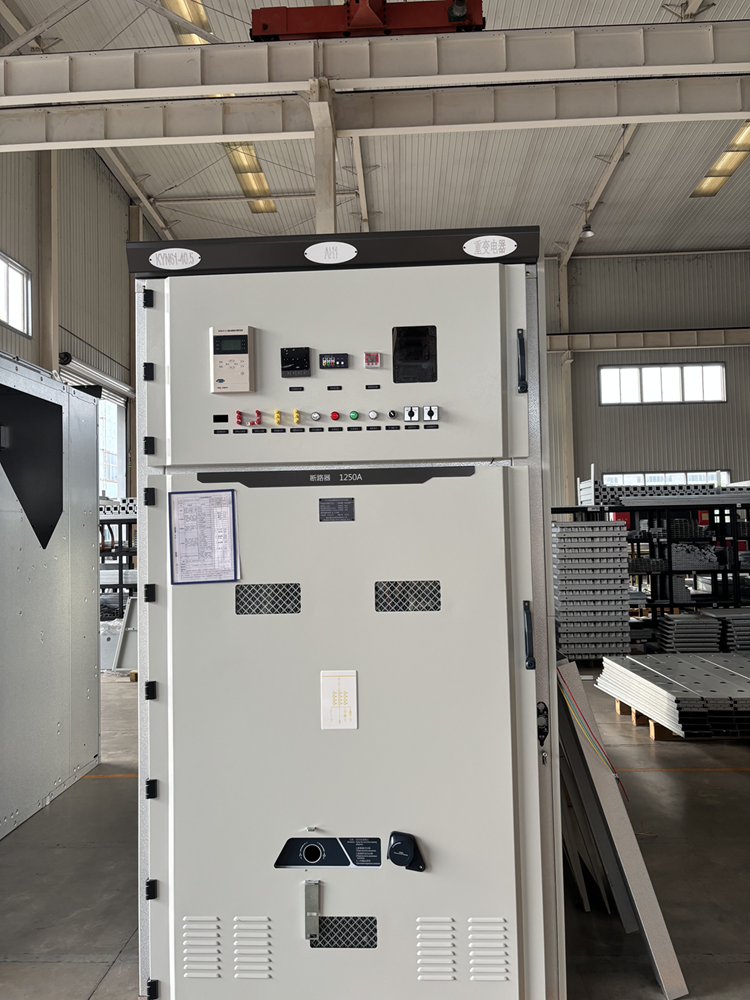
KYN61-40.5 Indoor AC Metal-clad Removable Switchgear
Chongqing Transformer Co., Ltd.