Maersk Denmark Raises Peak Season Surcharge on South Asia–North America Routes
en.Wedoany.com Reported - On November 10, Maersk Denmark announced an adjustment to its peak season surcharge for North America routes, with the new rates effective from November 8 and applicable to designated cargo shipments from the Indian subcontinent to the U.S. East Coast, Canada East Coast, and Gulf Coast. Depending on the origin of the cargo, the charge is USD 3,850 or USD 4,200 per applicable container, with Houston excluded from the applicable destination ports.
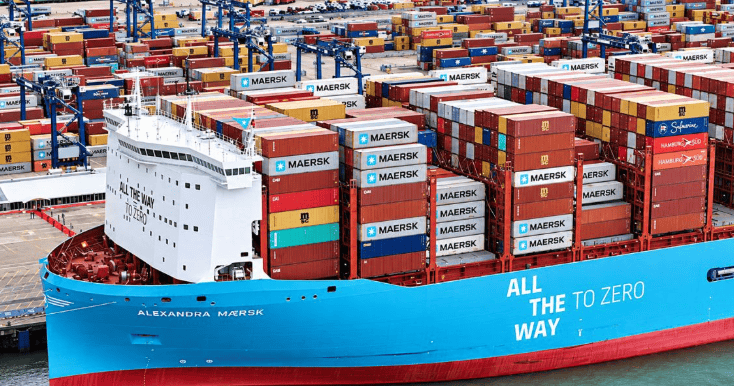
The adjustment divides origins into two tiers. Tier 1 is USD 3,850 per container, applicable to cargo from the ports of Nhava Sheva, Mundra, Pipavav, and Hazira in northwestern India, as well as from Nepal and Bhutan. Tier 2 is USD 4,200 per container, applicable to cargo from ports including Ennore, Chennai, Kolkata, Haldia, Visakhapatnam, Kochi, Kattupalli, Krishnapatnam, and Tuticorin in southern and eastern India, as well as from Sri Lanka, Bangladesh, and the Maldives.
The charge covers multiple container types, including 20-foot dry and reefer containers, 40-foot dry containers and high cubes, 45-foot high cubes, and 40-foot high cube reefers. These container types are subject to the same peak season surcharge standard within their respective origin groups. The difference between the two tiers is USD 350 per container, with the specific charge determined by booking origin, destination port, and equipment type.
The adjustment applies to non-Maersk Spot bookings. For cargo not regulated by the U.S. Federal Maritime Commission, the surcharge is determined by the price calculation date corresponding to the planned departure date of the first ocean leg at the time of booking confirmation; for cargo regulated by the Commission, the final container gate-in date serves as the basis for price calculation. Shippers therefore need to verify the applicable rate against their actual booking and gate-in dates, rather than judging the charge standard solely by the quotation date.
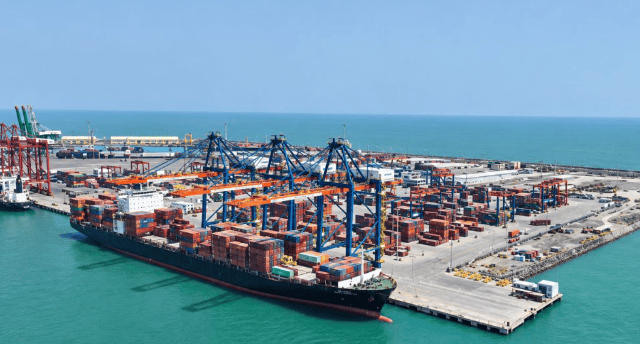
The adjustment involves multiple major export ports in the Indian subcontinent, as well as container transport from South Asian countries to the U.S. East Coast and Gulf Coast. The USD 350 rate difference between origins also means that exporters need to comprehensively consider port location, inland transport costs, sailing schedules, and destination delivery requirements when calculating ocean freight costs.
Related Products
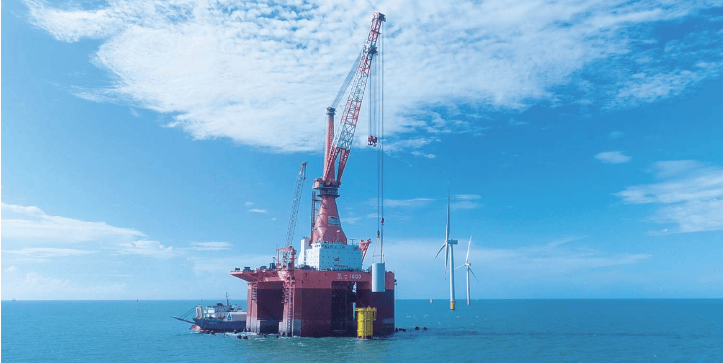

"Shunyi 1600" Deep-submerging Bottom-sitting Multi-functional Wind Power Engineering Vessel
Zhengli Offshore Engineering Co., Ltd.

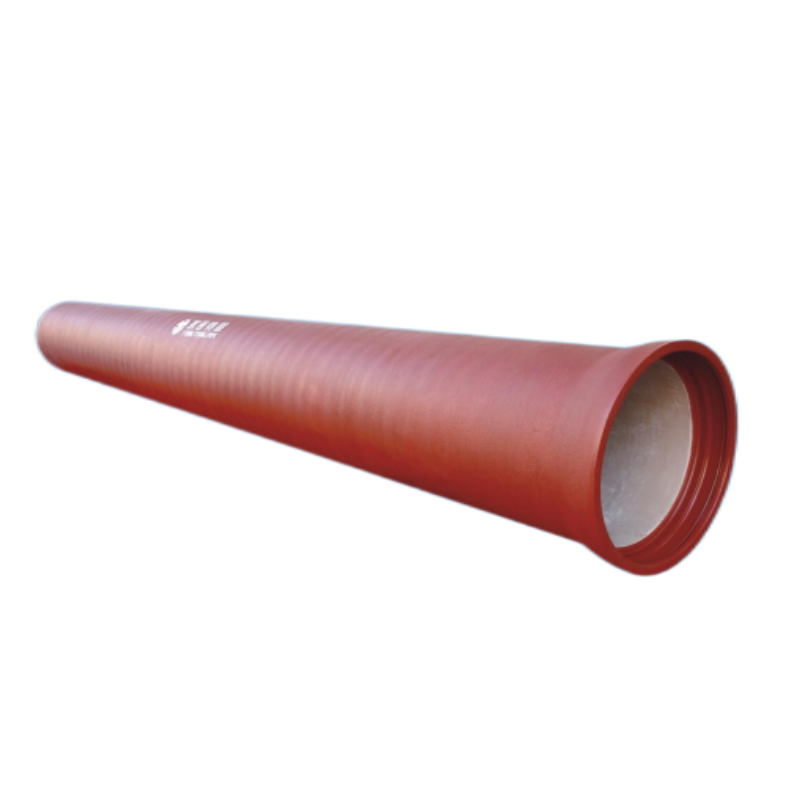
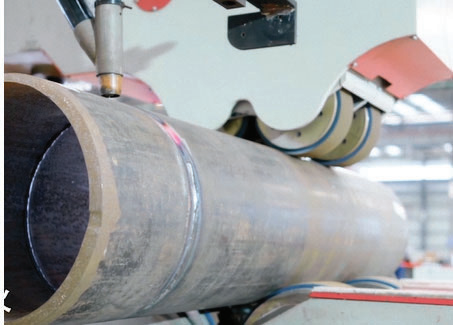

ERW Welded Pipe (Black Pipe and Hot-dip Galvanized Steel Pipe)
Handan Zhengda Steel Pipe Co., Ltd.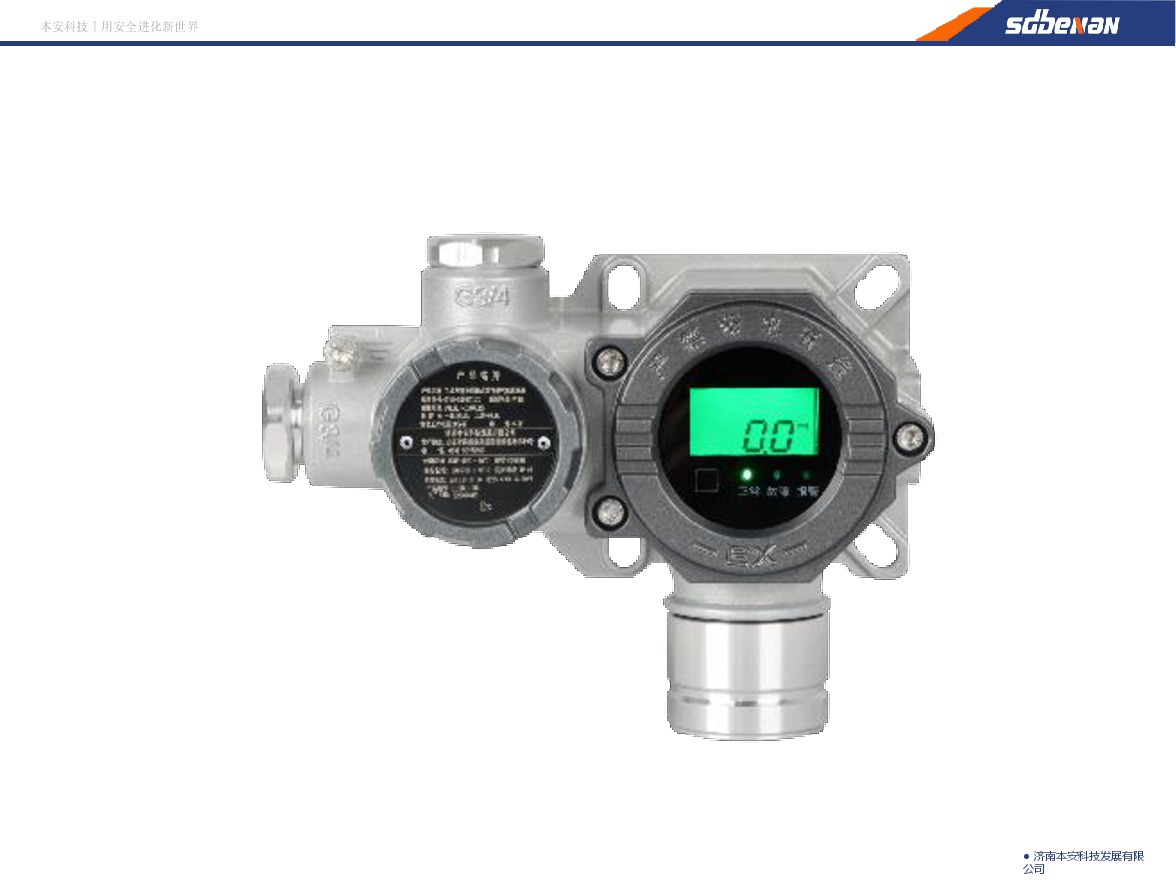
Industrial and Commercial Point-Type Gas Detector
Jinan Benan Technology Development Co., Ltd.