Norway's Höegh Autoliners Signs Marine Battery Cooperation Agreement with China's BYD
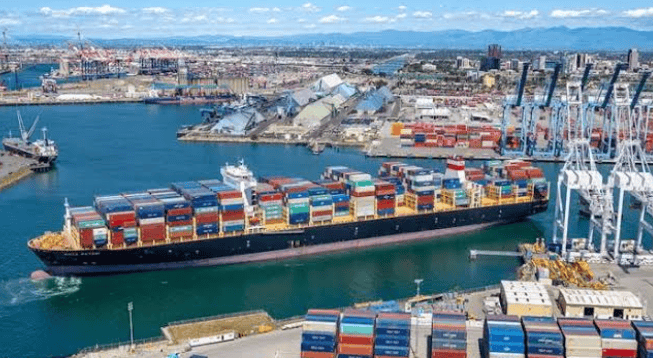
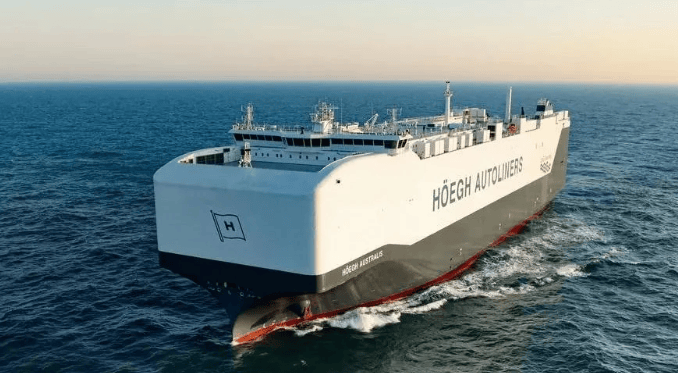
en.Wedoany.com Reported - On November 9, Norwegian car carrier operator Höegh Autoliners and China's BYD signed a cooperation agreement during the 31st Conference of the Parties (COP31) to the United Nations Framework Convention on Climate Change held in Antalya, Türkiye, to apply BYD's marine battery system to the newly built Aurora-class car carrier No. 12 (Aurora No.12). The vessel is being built by China Merchants Heavy Industry (Jiangsu) Co., Ltd. and is scheduled for delivery in May 2028, with a designed car-carrying capacity of 9,100 vehicles. The new ship will integrate an ammonia dual-fuel propulsion system, battery energy storage, solar power and a shaft generator system, making it the first ocean-going car carrier to adopt this combination of four technologies.
Under this cooperation, BYD is responsible for supplying the marine battery system. The batteries will operate in coordination with the vessel's shaft generator and rooftop solar power system, optimizing energy use under different operating conditions by storing and dispatching onboard electricity. The shaft generator produces electricity from the mechanical energy generated by the main engine's operation, the solar system provides auxiliary power, and the batteries handle energy storage and load regulation; together, the three participate in the ship's energy management and reduce the fuel consumption of auxiliary generating equipment.
Aurora No.12 will be equipped with an ammonia dual-fuel main engine and will be capable of operating on ammonia fuel upon delivery. Ships No. 9 through No. 12 in the series adopt ammonia dual-fuel engines, with Everllence providing the relevant engine technology. Ammonia propulsion and the marine battery system serve different functions: the former provides the ship's main propulsion power, while the latter participates in electricity storage and auxiliary energy management; together, the two systems form the ship's integrated energy configuration.
According to calculations published by Höegh Autoliners, combining the battery, solar and shaft generator systems with ammonia propulsion is expected to reduce greenhouse gas emissions by approximately 1,000 tonnes of CO2 equivalent per year while also lowering fuel costs. This figure represents the shipowner's projection of the combined system's application effects and is not a measured result after the vessel enters operation. The life-cycle emission level of ammonia fuel itself also depends on how the ammonia is produced and its supply source; the use of low-carbon or green ammonia is an important condition for achieving the expected emission reductions.
The Aurora-class car carriers are planned and built by Höegh Autoliners, with a maximum car-carrying capacity of 9,100 vehicles, 14 vehicle decks, and a reinforced deck structure and internal ramp design that can accommodate passenger cars, electric vehicles and heavy roll-on/roll-off cargo. The series is also equipped with approximately 1,500 square meters of solar panels and is designed for shore power connection. According to design data published by the shipowner, compared with conventional car carriers, Aurora-class vessels can reduce carbon emissions by up to 58% per vehicle transported.
This BYD cooperation concerns Aurora No.12 and does not mean that all vessels in the series will be equipped with the same battery system. Höegh Autoliners had previously designated ships No. 9 through No. 12 in the series as ammonia dual-fuel vessels, with the first scheduled for delivery in 2027 and the last, Aurora No.12, scheduled for delivery in 2028. In August 2026, the company announced an additional order for 6 Aurora-class vessels, expanding the overall construction program to 18 ships, while retaining options for additional purchases and shipyard construction slots, with future scale potentially reaching up to 26 vessels.
With this move, BYD is entering the marine battery supply sector for ocean-going car carriers, extending the application of its battery technology from road transport to large ocean-going vessels. For Höegh Autoliners, Aurora No.12 will integrate both ammonia propulsion and a shipboard energy storage system, and the coordinated operation of the relevant equipment will be verified upon delivery of the new ship and in subsequent commercial operations.
Related Products


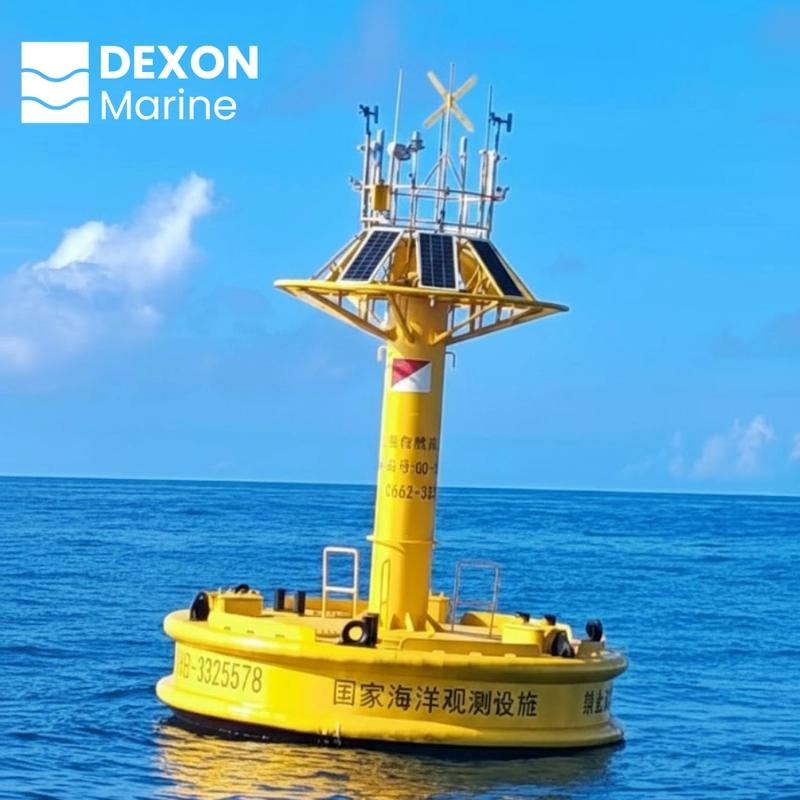
3m intelligent buoy combining navigation safety and real-time marine monitoring integrated navigation and marine monitoring system for real-time maritime data
Chengdu Dixin Technology Co., Ltd.
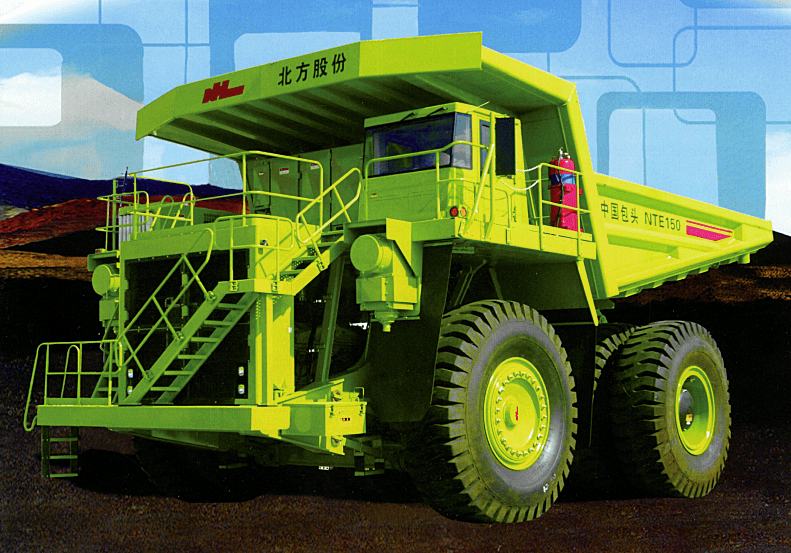
NTE150 Electric Drive Mining Dump Truck
Inner Mongolia North Heavy Industries Group Co., Ltd.
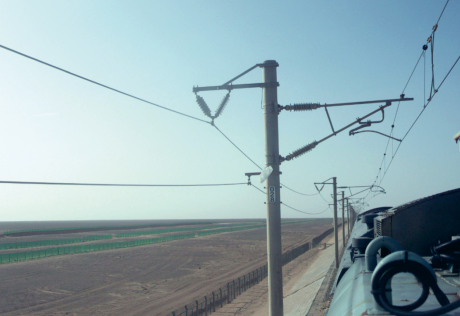
Pantograph-Catenary Comprehensive Detection Device (1C)
CHENGDU TANGYUAN ELECTRIC CO., LTD.
ERW Welded Pipe (Black Pipe and Hot-dip Galvanized Steel Pipe)
Handan Zhengda Steel Pipe Co., Ltd.