Panama Canal Plans to Put Rio Indio Reservoir into Service in 2032
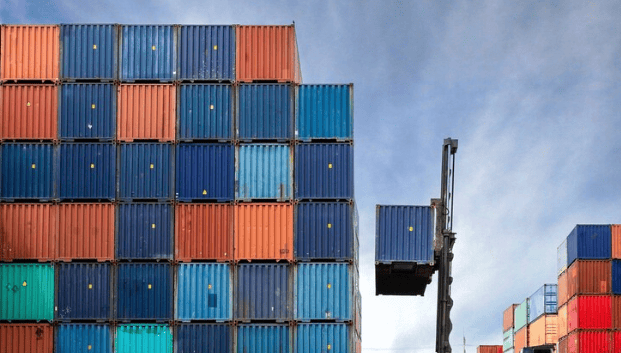
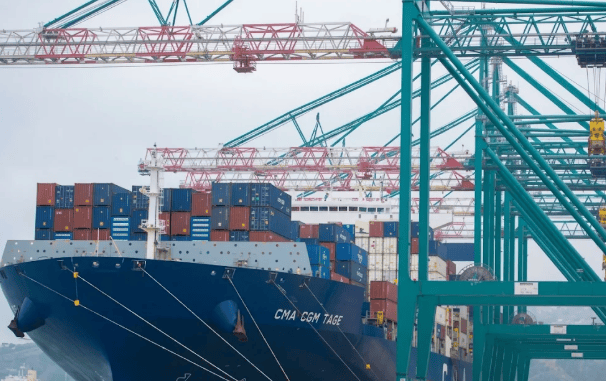
en.Wedoany.com Reported - On November 11, Ilya Espino de Marotta, Administrator of the Panama Canal Authority, announced the canal's long-term expansion plans at the Houston International Maritime Conference, focusing on the Rio Indio Reservoir, two container terminals at Corozal and Telfers, and an energy pipeline connecting the Atlantic and Pacific oceans. Under the plan, physical construction of the reservoir is scheduled to begin in 2028 and the reservoir is to be put into service in 2032. Once completed, the two new terminals are expected to add 5 million to 6 million TEUs of container handling capacity per year.
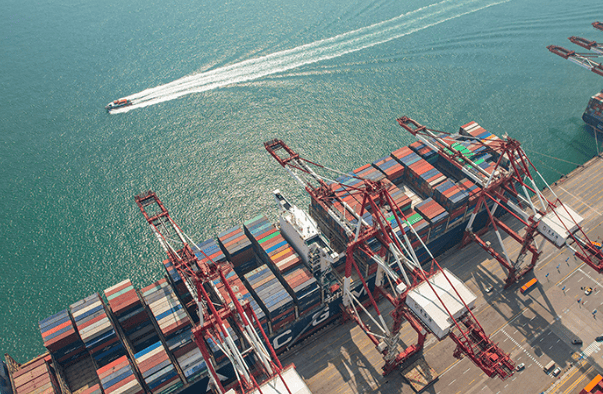
Water resource security remains key to expanding the canal's navigational capacity. From May to September 2026, local rainfall was about 25% below the historical average. Through optimized lock operations and water-saving measures, the canal saves about 1.2 billion liters of water per day. The Authority expects reservoir water levels to come under significant pressure from February to May 2027, and plans to schedule about 10,750 transits of large vessels in fiscal year 2027.
The canal has already increased its daily booking slots from 33 to 34 starting November 9, and raised the maximum allowable draft for Neopanamax vessels to 15.24 meters. Once the Rio Indio Reservoir is completed, the canal plans to increase daily transit capacity to 36 to 40 vessels while maintaining a 50-foot draft, and to provide drinking water for Panama's residents.
The Corozal terminal is located on the Pacific side, and the Telfers terminal on the Atlantic side. Both terminals will be developed under a concession model, with the new capacity mainly used for container transshipment business. The Panama Canal Authority has previously launched prequalification for the two terminal projects and plans to select developers and operators through subsequent competitive procedures.
The Authority plans to build a pipeline corridor across the Isthmus of Panama to transport propane and butane by pipeline, allowing liquefied petroleum gas to be transferred from the Atlantic coast to the Pacific coast without passing through the canal locks. The facility will mainly target exporters along the U.S. Gulf Coast and serve energy transport needs in Asian markets, extending the canal's business scope from vessel transit and port transshipment to overland energy transport.
Related Products




Wheel and Track Technology Business
Beijing Research & Design Institute of Rubber Industry Co., Ltd.


NTE150 Electric Drive Mining Dump Truck
Inner Mongolia North Heavy Industries Group Co., Ltd.
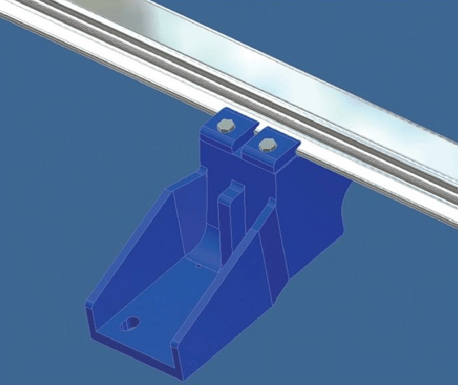
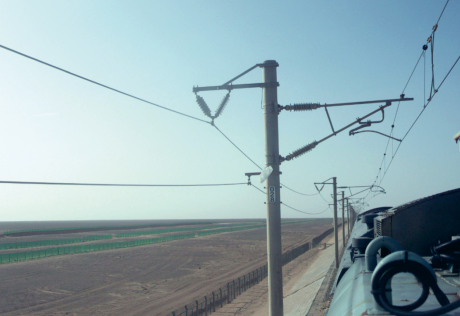
Pantograph-Catenary Comprehensive Detection Device (1C)
CHENGDU TANGYUAN ELECTRIC CO., LTD.