China's Long March 2D Successfully Launches TanYuan Program Pathfinder Satellite
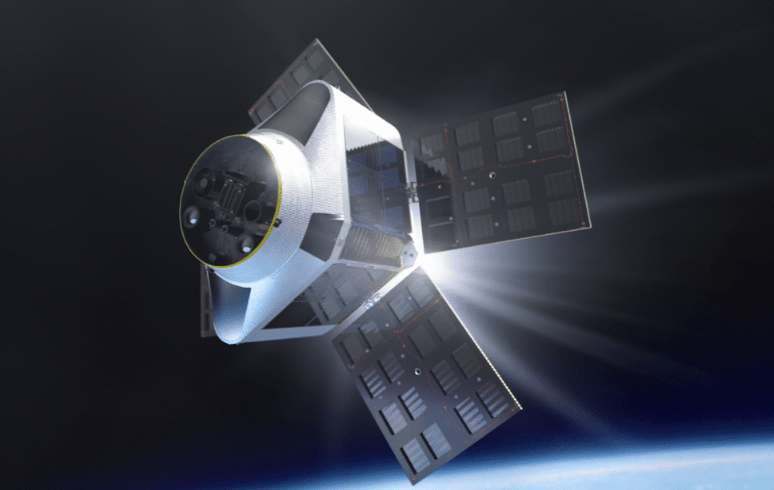
en.Wedoany.com Reported - At 19:41 on November 11, China successfully launched the TanYuan Program Pathfinder Satellite into its designated orbit using a Long March 2D carrier rocket at the Jiuquan Satellite Launch Center. This satellite is a technology test satellite of the Space Exploration Series scientific satellite program and is primarily tasked with verifying key technologies for space science payloads. This launch also marked the 677th flight of the Long March series of carrier rockets.
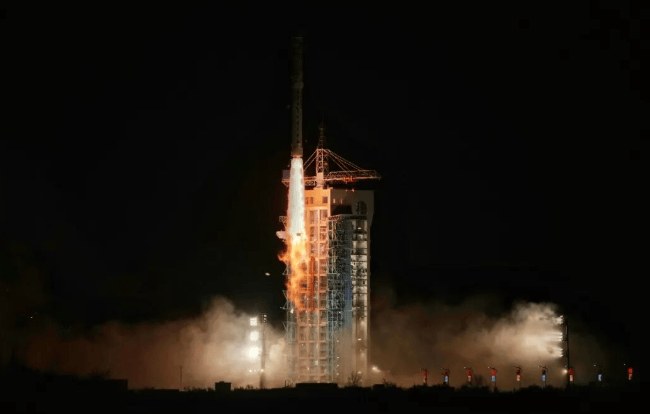
The Pathfinder Satellite project consists of four satellites, A, B, C, and D. After entering orbit, they will complete assembly separation, single-satellite deployment, and formation control. Among them, Satellite A carries a magnetic field and velocity field imager, an extremely large area gamma-ray space telescope, a high-resolution atmospheric boundary layer lidar, a Langmuir probe, and a space weather effects monitor; Satellites B, C, and D form a space-distributed low-frequency interferometric imaging spectrometer technology test system to conduct formation operation and inter-satellite measurement verification.
The Long March 2D carrier rocket used in this mission was developed under the overall leadership of the Eighth Academy of China Aerospace Science and Technology Corporation. It adopts a two-stage configuration with room-temperature liquid propellant and supports single-satellite, multi-satellite serial, parallel, and rideshare launches. The rocket has a payload capacity of 1.3 tonnes to a 700 km Sun-synchronous circular orbit and can be configured with different launch plans according to mission requirements.
The Pathfinder Satellite has a designed lifespan of 2 years and operates in a Sun-synchronous dawn-dusk orbit at an altitude of approximately 600 km. After completing initial technology verification, the satellite will carry out demonstration detection and research for space environment monitoring. The payload technologies involved in this test will also serve subsequent space science satellite missions such as the "Hongmeng Program" and "Kuafu-2."
The TanYuan Program is organized and implemented by the Chinese Academy of Sciences. The National Space Science Center of the Chinese Academy of Sciences undertakes the overall engineering and ground support work, the Innovation Academy for Microsatellites is responsible for satellite system development, and the Eighth Academy of China Aerospace Science and Technology Corporation is responsible for the carrier rocket system. According to the plan, the Space Exploration Series scientific satellites will progressively advance the development and launch of four space science satellite programs over the next 3 to 5 years.
Related Products
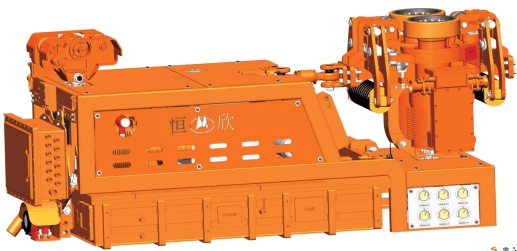

Explosion-proof lithium battery dispatching monorail crane locomotive (permanent magnet frequency conversion integrated machine)
Xiangtan Hengxin Industrial Co., Ltd.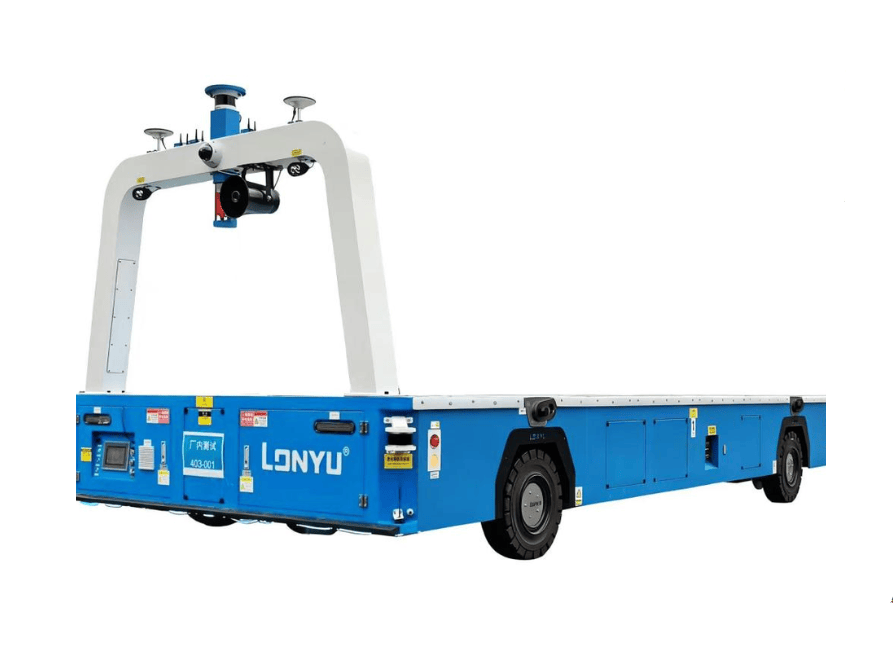
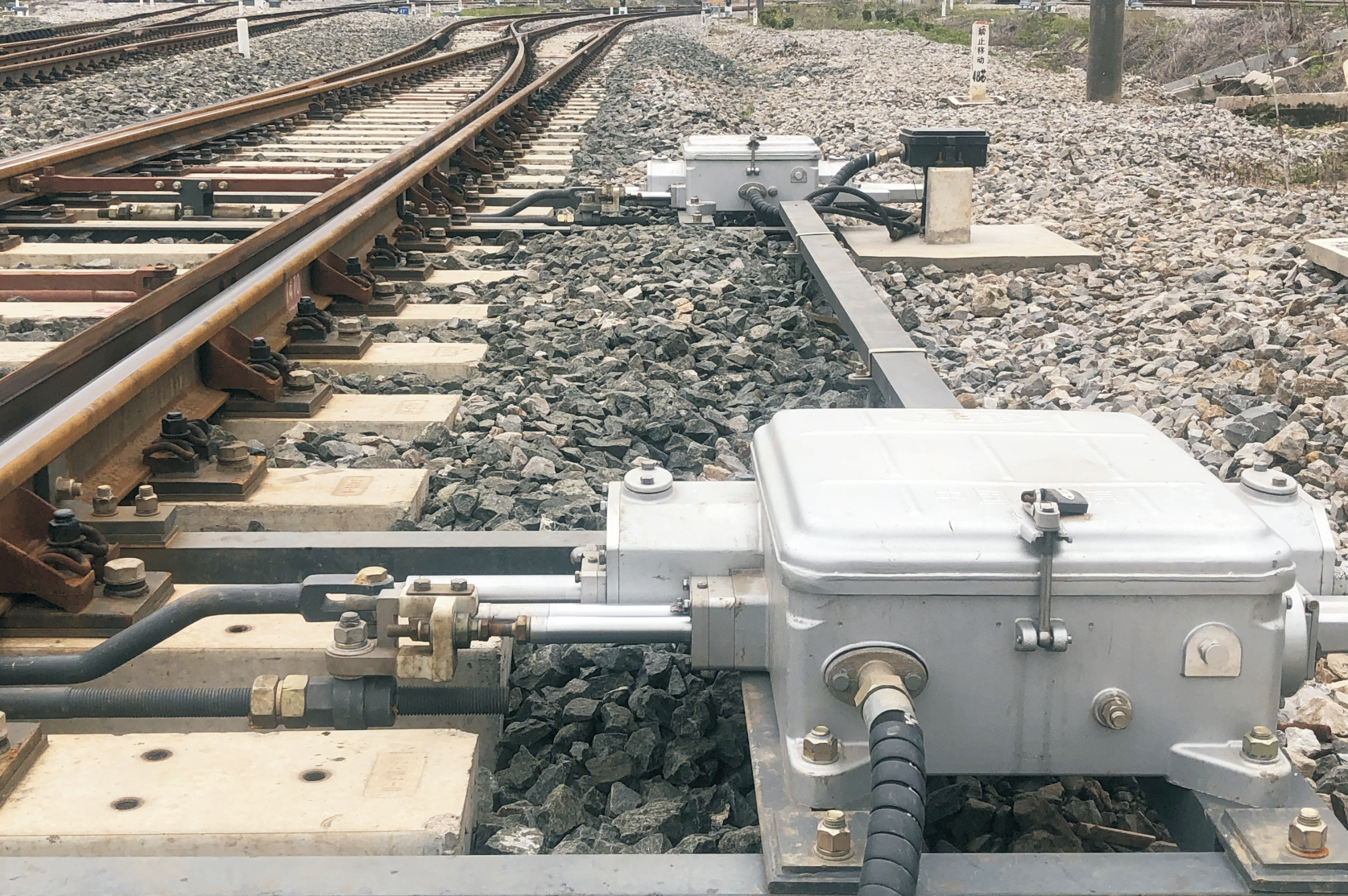
ZY(J)7(M) Sealed Type Electro-Hydraulic Turnout Machine
TAIYUAN CR JINGFENG EQUIPMENT TECHNOLOGY CO., LTD.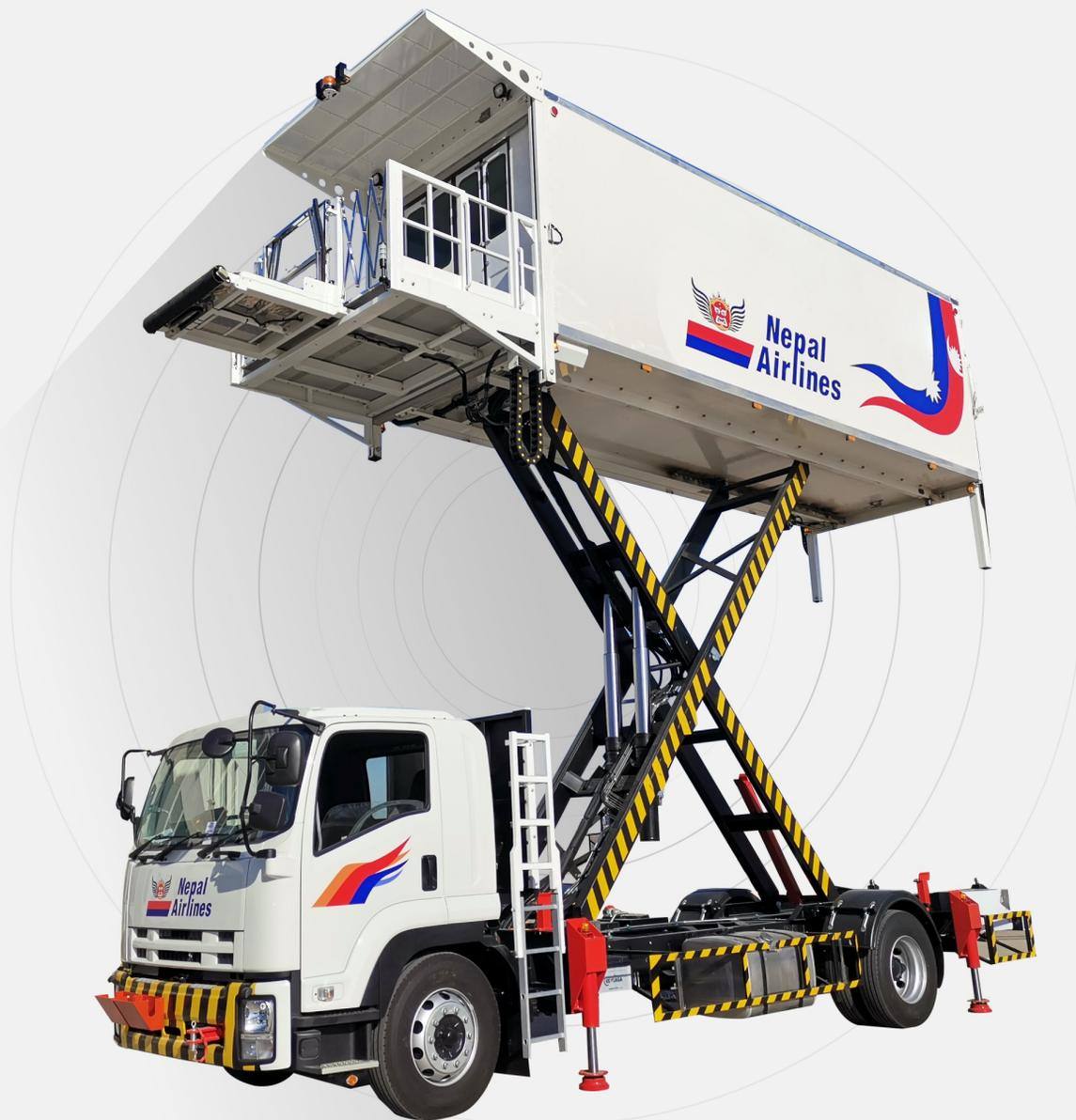
XC-6000e Type Aviation Catering Truck (Fuel Type)
Shenzhen CIMC-TianDa Airport Support Ltd.

"Shunyi 1600" Deep-submerging Bottom-sitting Multi-functional Wind Power Engineering Vessel
Zhengli Offshore Engineering Co., Ltd.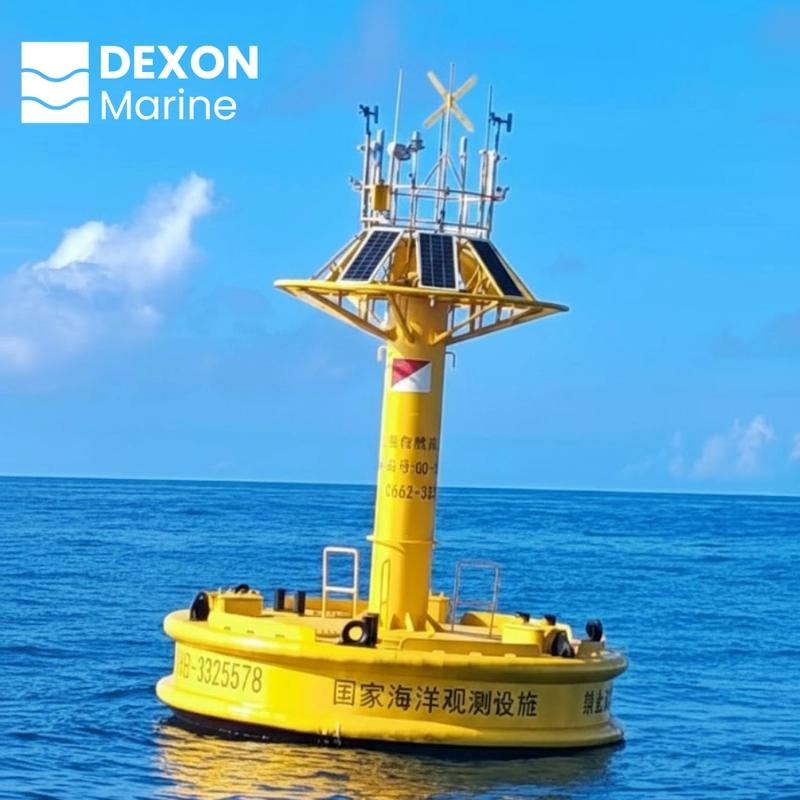
3m intelligent buoy combining navigation safety and real-time marine monitoring integrated navigation and marine monitoring system for real-time maritime data
Chengdu Dixin Technology Co., Ltd.