Swiss DuoKey SA Adopts Dual-Algorithm Protection for Enterprise File Key Delivery
en.Wedoany.com Reported - On November 12, Swiss cybersecurity company DUOKEY SA's SecureFolder file protection solution disclosed implementation progress involving hybrid post-quantum key encapsulation technology. The solution combines the traditional elliptic curve key exchange algorithm P-256 with the post-quantum key encapsulation algorithm ML-KEM-768, protecting the transfer of folder keys between endpoint devices and the management gateway through dual key agreement and key derivation mechanisms. The technical design is based on the 2026 edition of the German Federal Office for Information Security (BSI) technical guideline TR-02102-1.
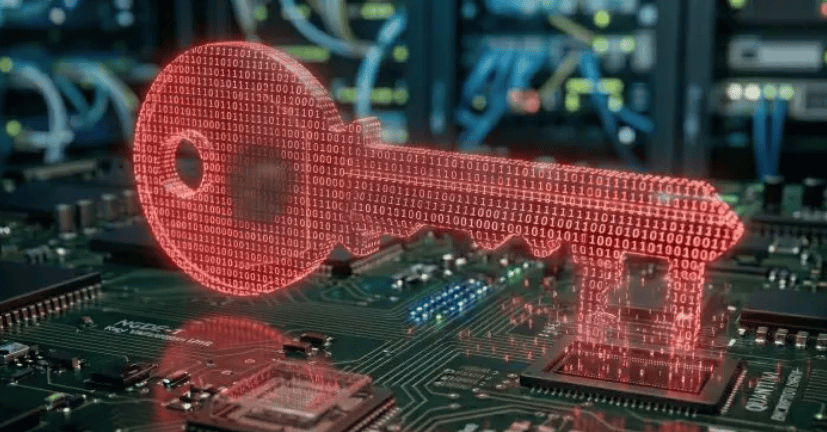
The solution employs a three-tier key management architecture. The first tier is the key encryption key (KEK), stored in the enterprise's own hardware security module (HSM) or key vault and never leaving the protected environment; the second tier is a 256-bit folder key, encrypted and protected by the KEK and version-managed within the key management platform; the third tier is the file key, dynamically derived through the HKDF-SHA256 algorithm combining the folder key and a random file identifier, and not stored separately. File contents are encrypted using the AES-256-GCM algorithm and processed in 64 KiB data blocks.
During the key delivery process, endpoint devices and the gateway each register a P-256 public key and an ML-KEM-768 encapsulation public key. When Cockpit authorizes the release of a folder key, it separately performs elliptic curve key exchange and post-quantum key encapsulation, then combines the two sets of key material through HKDF-SHA-384 to generate a derived key for key encapsulation. A single hybrid key encapsulation data block is 1218 bytes. This design ensures that the security of key delivery no longer relies solely on traditional elliptic curve algorithms; even if one algorithm develops a security flaw in the future, the other algorithm can still provide independent protection.
SecureFolder also implements an anti-downgrade mechanism. Devices and the gateway must possess both types of public keys simultaneously; the gateway rejects non-hybrid key encapsulation requests and does not allow the system to fall back to traditional key delivery using only P-256 under abnormal conditions. Folder, key version, and related context information are also incorporated into the authentication data to reduce the risk of key substitution and tampering during the transfer process.
SecureFolder connects to Nextcloud, openDesk, and Collabora Online through a dedicated gateway. When users access files, the system separately checks file sharing permissions and key usage permissions in Cockpit; after authorization, the gateway decrypts the file in memory and hands it over to the online editing system for processing; on each save, the file is re-encrypted and written back to the storage platform in ciphertext form. Cockpit simultaneously logs operations such as file opening, saving, key release, and access denial, and supports forwarding logs to a security information and event management system (SIEM).
According to the product status published by DUOKEY SA, SecureFolder has implemented hybrid key encapsulation, file encryption, gateway, and access logging functions, and has completed validation in Nextcloud 33, Collabora Online 26.04, and openDesk Community Edition 1.20.0 environments. Among these, openDesk is integrated through official extension interfaces without modifying the original platform. The on-premises deployment solution has completed laboratory validation, and the hybrid deployment solution targets customers such as the public sector; the standalone Software-as-a-Service (SaaS) model is still in the planning stage.
Related Products


Multi-function Marine Monitoring Low-altitude Detection Radar Sea-air Boundary Ocean Dynamic Environment Measurement
Chengdu Dixin Technology Co., Ltd.
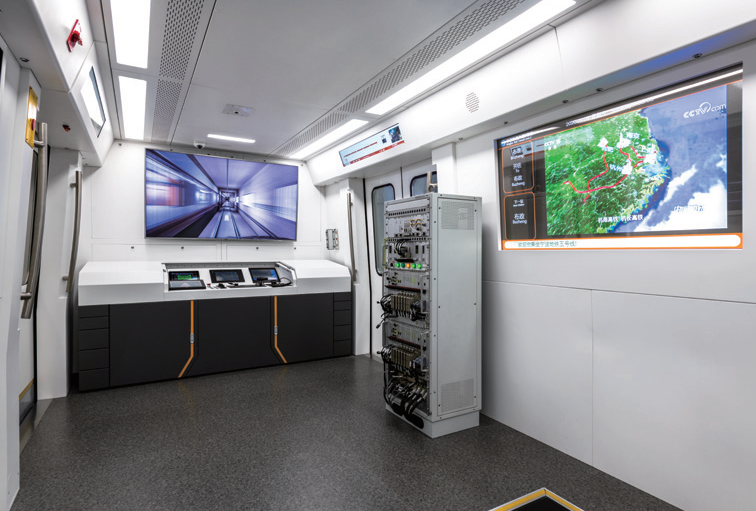

20 Inch 1600*900 Full HD 60Hz TFT LED Monitor with VGA and DP Interfaces for Desktop Computers-Business Use
Guangzhou Zanying Optoelectronics Technology Co., Ltd.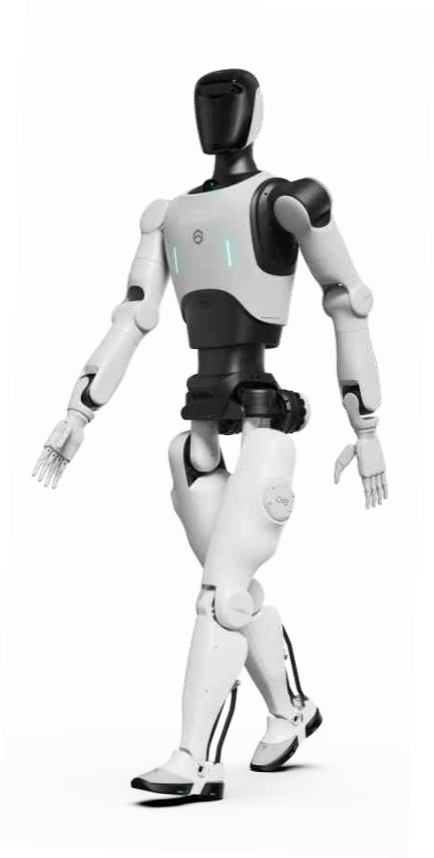
D12 Humanoid Robot
Automation Research Institute Co., Ltd. of China South Industries Group Corporation
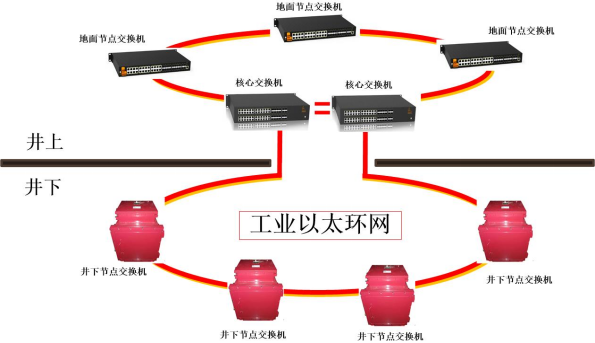
Mine Explosion-proof and Intrinsically Safe Industrial Ethernet Ring Network (10 Gigabit/Gigabit)
Chongqing Mas Sci&Tech Co., Ltd.