First Batch of 40 Amazon Leo Satellites Fails to Reach Orbit in U.S. Launch
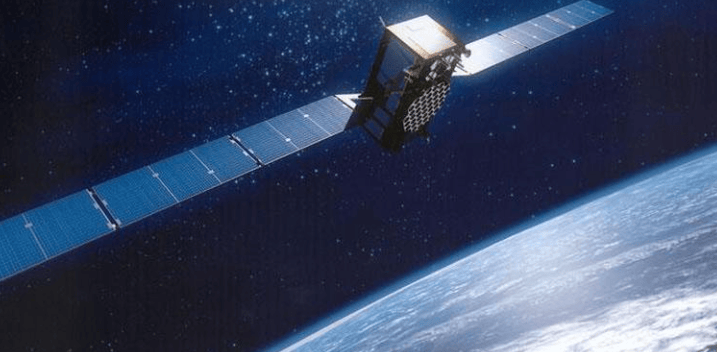
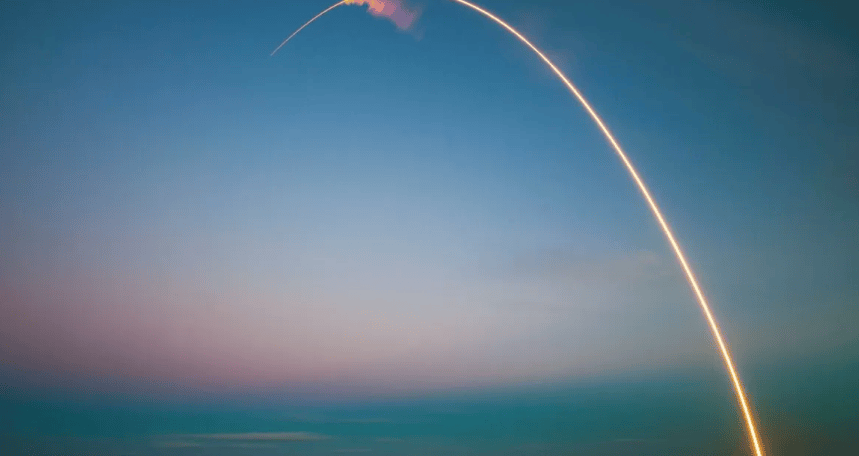
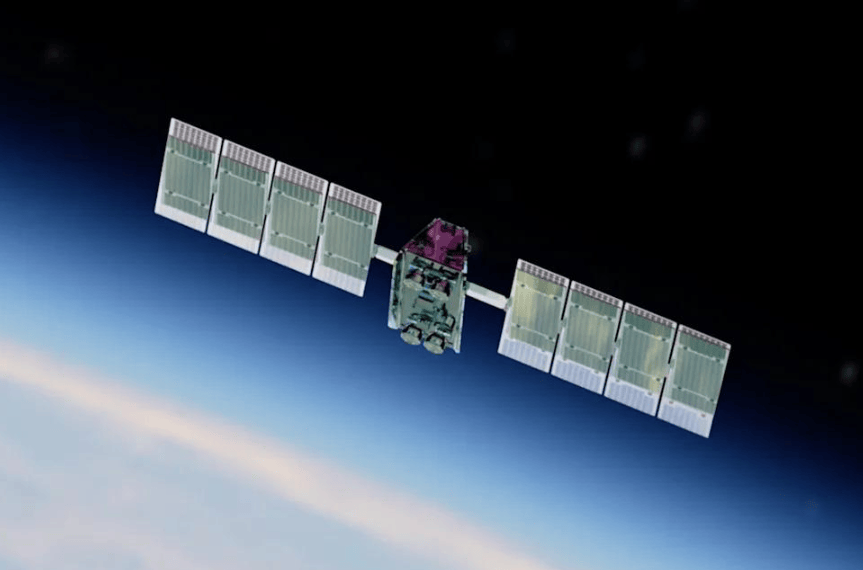
en.Wedoany.com Reported - On November 15, a Vulcan launch vehicle carrying 40 Amazon Leo broadband communication satellites experienced an in-flight anomaly approximately 10 minutes after liftoff from Cape Canaveral Space Force Station in Florida, failing to complete the satellite orbit insertion mission. The LV-01 mission was executed by United Launch Alliance, with the rocket lifting off from Launch Complex 41 at 12:40 p.m. Eastern Time. Amazon subsequently confirmed the loss of all 40 satellites, and the cause of the rocket malfunction remains under investigation.
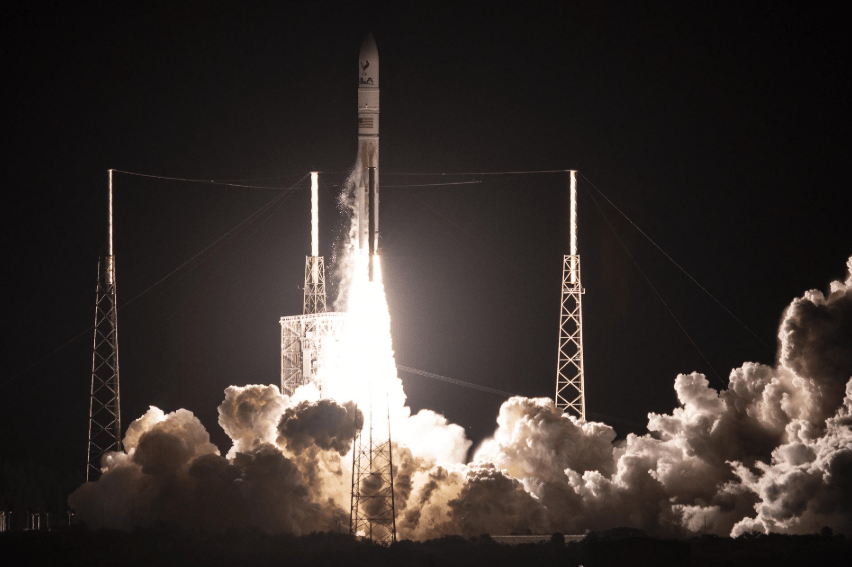
The mission used a Vulcan VC6L configuration launch vehicle, equipped with 6 solid rocket boosters, a Centaur V upper stage optimized for low Earth orbit missions, and an extended payload fairing. The rocket completed solid booster separation approximately 1 minute and 40 seconds after liftoff, followed by core stage and upper stage separation. The launch provider confirmed an anomaly approximately 10 minutes into flight, and the satellites failed to enter their planned orbit.
The LV-01 mission was originally scheduled for November 13. On that day, a power outage occurred at the launch site's supporting gaseous nitrogen supply facility, causing high-pressure pumps to stop working and delaying the launch to November 14. The second launch attempt was canceled due to a network communication anomaly between ground equipment and the launch vehicle, and the mission was subsequently rescheduled to November 15. On the day of the third launch attempt, the countdown was paused at approximately 20 seconds before liftoff; the launch team readjusted the countdown and completed liftoff before the day's window closed.
This mission marked Amazon Leo's first satellite launch using a Vulcan launch vehicle and the first batch of the 38 Vulcan launches contracted between Amazon and United Launch Alliance. Under the original deployment arrangement between the two parties, these 38 launches were planned to carry over 1,500 first-generation broadband satellites to orbit. Amazon has also invested in building a dedicated rocket vertical assembly facility and mobile launch platform at Cape Canaveral, originally planning to conduct rocket launch preparations through two parallel facilities.
Prior to this mission, Amazon Leo had delivered nearly 400 satellites to orbit through 14 launches. On November 15, Amazon updated its subsequent mission schedule: the next LE-04 launch is planned for no earlier than November 23, to be executed by an Ariane 6 rocket at the Guiana Space Centre in Kourou, French Guiana, carrying 36 broadband satellites. This mission belongs to a different launch vehicle system from the failed Vulcan rocket launch plan.
Related Products


GYTA Type Non-Self-Supporting Aerial/Duct Optical Cable
TONGDING INTERCONNECTION INFORMATION CO., LTD.
MUX Series Communication Interface Device for Security and Stability Control System
Nanjing NR Electric Co., Ltd.
Automatic Aiming Laser Remote Obstacle Removal Robot
Pinggao Group Weihai High-Voltage Apparatus Co., Ltd.

Multi-function Marine Monitoring Low-altitude Detection Radar Sea-air Boundary Ocean Dynamic Environment Measurement
Chengdu Dixin Technology Co., Ltd.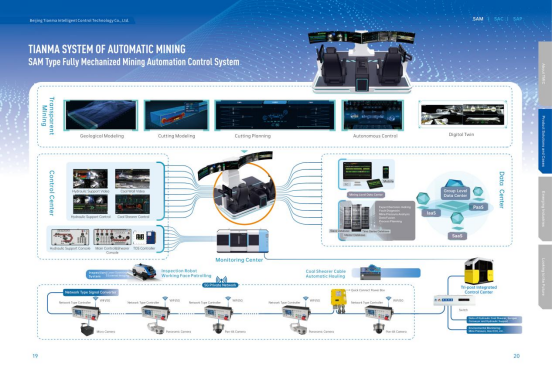
Comprehensive Mining Automation Control System
Beijing Tianma Intelligent Control Technology Co., Ltd.
TWP16 P-Band Tropospheric Wind Profile Radar
China Huayun Meteorological Technology Group Co., Ltd.