U.S. Lattice Chip Completes One-Year 10Gbps Laser Communication In-Orbit Validation
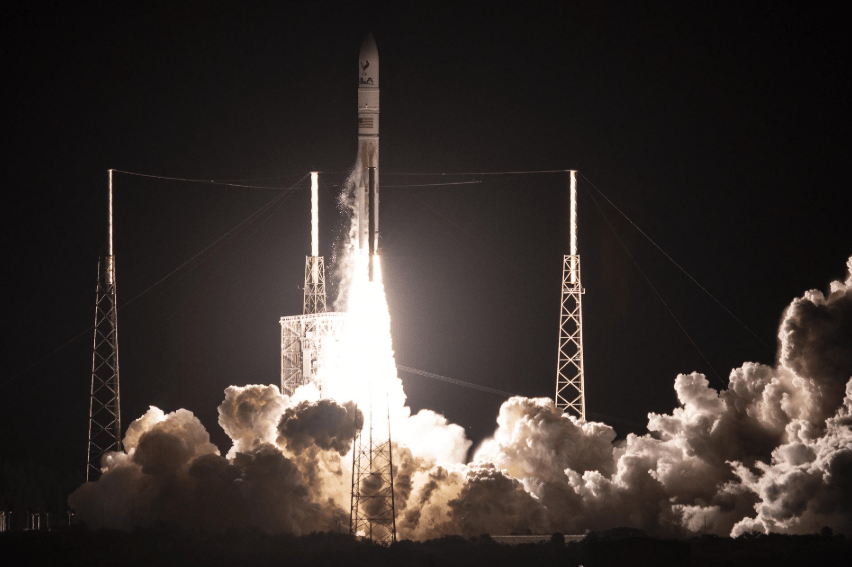
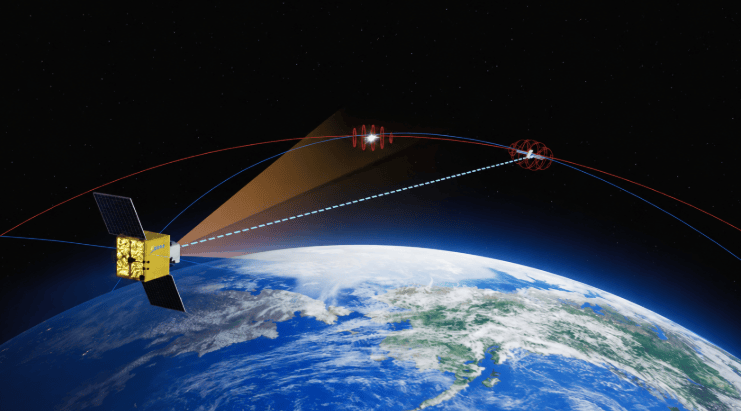
en.Wedoany.com Reported - On November 16, Lattice Semiconductor's Lattice Nexus series field-programmable gate array (FPGA) chips achieved over one year of in-orbit operation in TESAT optical communication terminals in Germany, continuously meeting equipment design specifications and supporting 10Gbps satellite laser communication. Since entering space with related optical communication equipment in 2025, this series of chips has completed practical in-orbit validation of low power consumption, radiation tolerance, and long-term operational reliability.
This validation involves the electronic control system of TESAT satellite optical communication terminals. When redesigning the terminal electronics, TESAT adopted Lattice Nexus series FPGAs to meet the requirements of space applications for radiation tolerance, equipment power consumption, and circuit board size. The chips perform control functions in the terminals and work with the optical communication equipment to achieve continuous operation.
The Lattice Nexus platform uses a 28-nanometer fully depleted silicon-on-insulator (FD-SOI) manufacturing process and is designed for space electronic equipment that requires long-term operation and cannot be maintained on site. TESAT evaluated the in-orbit performance of the chips and confirmed that their radiation adaptability, power consumption, and long-term reliability all meet the terminal operational requirements.
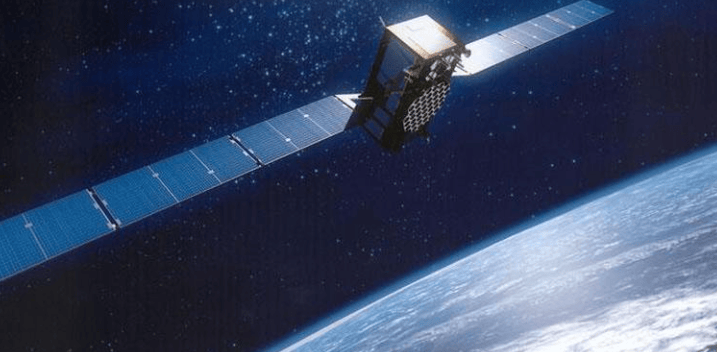
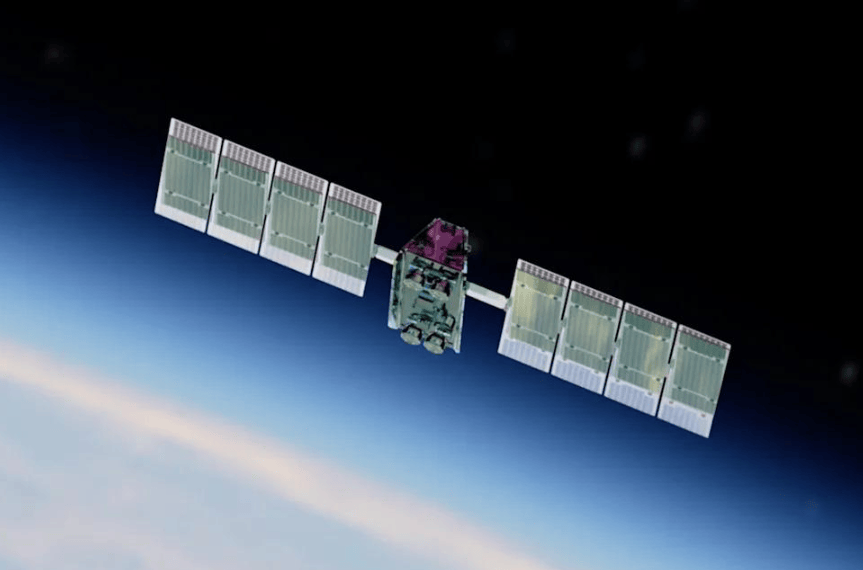
TESAT's optical communication terminals have been used in geostationary orbit and low Earth orbit satellite missions, serving broadband satellite constellations and institutional space programs. The Lattice Nexus chips that completed continuous in-orbit validation are part of the electronic systems of its optical communication terminals, and the validation results correspond to actual space operating environments rather than ground-based simulation tests.
Lattice's existing FPGA products for space applications include space-grade versions of the Certus-NX, CertusPro-NX, and CrossLink-NX series, accompanied by Lattice Radiant development software and radiation characteristics data. The company has cumulatively sent thousands of FPGA chips into space, and the operational data from this TESAT optical communication terminal further expands its space application validation record.
Related Products
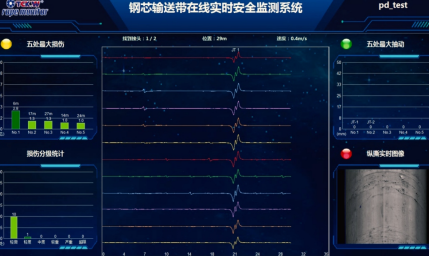

Conveyor Belt Intelligent Monitoring System
LUO YANG WIRE ROPE INSPECTION TECHNOLOGY CO., LTD.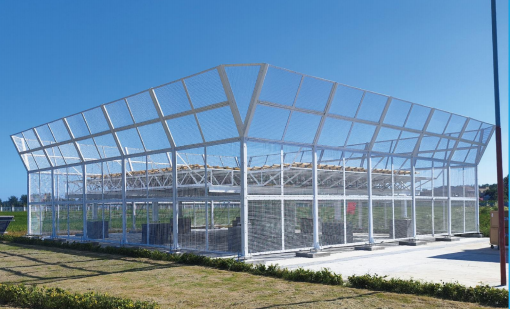
TWP16 P-Band Tropospheric Wind Profile Radar
China Huayun Meteorological Technology Group Co., Ltd.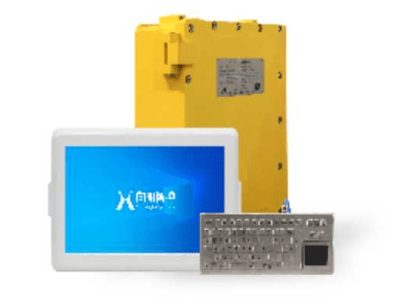
KJD127(A) Mining Explosion-Proof and Intrinsically Safe Computer
Taiyuan Xiangming Intelligent Control Technology Co., Ltd.

D12 Humanoid Robot
Automation Research Institute Co., Ltd. of China South Industries Group Corporation