Newly Built Railway Bridge in New Jersey, USA Fully Operational, Replacing Old Swing Bridge over Hackensack River
en.Wedoany.com Reported - On November 16, both tracks of the Portal North Bridge in New Jersey, USA were fully placed into service. Amtrak and NJ TRANSIT completed the final phase of track switching for the Hackensack River railway bridge, officially decommissioning the old Portal swing bridge after 116 years of service. The new bridge features a two-track fixed elevated structure, with the deck approximately 15.2 meters above the river surface, allowing vessels to pass beneath without the need to open the bridge structure to accommodate water traffic as the old bridge did.
The final track switching for this project lasted approximately five weeks. On October 9, 2026, the construction team began transferring the second track from the old bridge to the new bridge and completed track connections, electrical system switching, and safety testing, achieving full two-track operation on November 16. Previously, the first track of the new bridge was switched over and placed into service between February 13 and March 15, 2026, while the old bridge continued to handle some train operations during the transfer of the second track. With the completion of the final track conversion, commuter rail services in northern New Jersey have returned to normal operating schedules, and regular service between Newark and Secaucus has been restored.
The new bridge spans the Hackensack River between Newark and Secaucus. The project extends approximately 2.44 miles (3.93 kilometers) along the Northeast Corridor, including the main bridge structure, approach spans, pier foundations, retaining walls, and railway systems engineering. The bridge uses a fixed-span structure with approximately 50 feet (15.2 meters) of clearance above the river surface, providing navigational clearance approximately twice that of the old bridge. It eliminates the mechanical operation of opening and closing required by the traditional swing bridge, reducing interference with railway operations caused by vessel traffic.
The construction involved large-scale foundation work and steel structure installation. The project is expected to use approximately 45,000 tonnes of steel, approximately 167,000 cubic meters of concrete, and to install approximately 56 kilometers of pipe piles and approximately 6.1 kilometers of drilled shafts. The bridge and approach spans also include concrete piers, steel bridge spans, retaining walls, trackwork, and electrical and signaling facilities. The new bridge features a two-track configuration, primarily addressing operational disruptions caused by mechanical failures of the old bridge and bridge openings for navigation, providing infrastructure conditions for future capacity improvements along the Northeast Corridor.
The old Portal Bridge was placed into service in 1910 and is a critical railway facility on the Northeast Corridor connecting New Jersey and the New York region. Because of its movable swing bridge structure, railway operations had to be suspended when vessels passed through the Hackensack River, and mechanical failures of the bridge had also caused train delays and cancellations. With the new bridge in operation, railway trains and river vessels can transit simultaneously. According to NJ TRANSIT data, before the pandemic, the bridge carried more than 450 Amtrak and commuter trains per weekday, with approximately 200,000 passengers passing through, making it a vital rail link between New York and New Jersey.
The project's construction contract was awarded in October 2021 to a joint venture of Skanska and Traylor Bros, with a contract value of approximately USD 1.560 billion (approximately RMB 11.08 billion), the largest construction contract in NJ TRANSIT's history at the time. Project funding comes from federal, state, and related transportation agencies, including USD 766.5 million in construction funding provided by the Federal Transit Administration.
The Portal North Bridge is the first completed project among the 11 major projects of the U.S. Gateway Program. The old bridge is expected to be demolished in 2027, and the Gateway Program will subsequently advance the Hudson River railway tunnel and railway infrastructure expansion between Newark and New York. The new bridge currently handles all two-track train operations, and the demolition of the old bridge will be carried out as subsequent closeout work.
Related Products

One-Stop Steward Service for the Entire Logistics System Integration Chain
Zhongding Intelligent (Wuxi) Technology Co., Ltd.
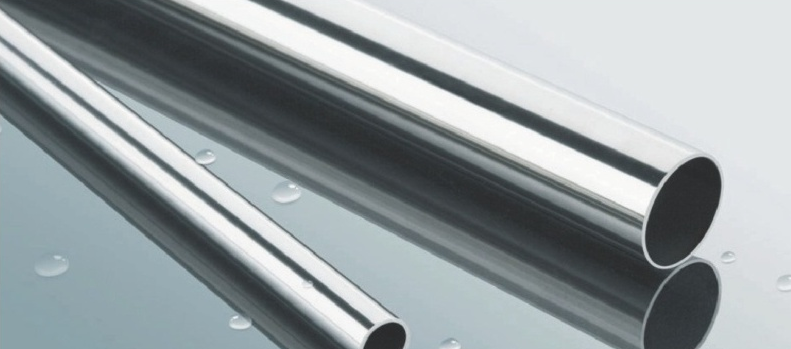
ERW Welded Pipe (Black Pipe and Hot-dip Galvanized Steel Pipe)
Handan Zhengda Steel Pipe Co., Ltd.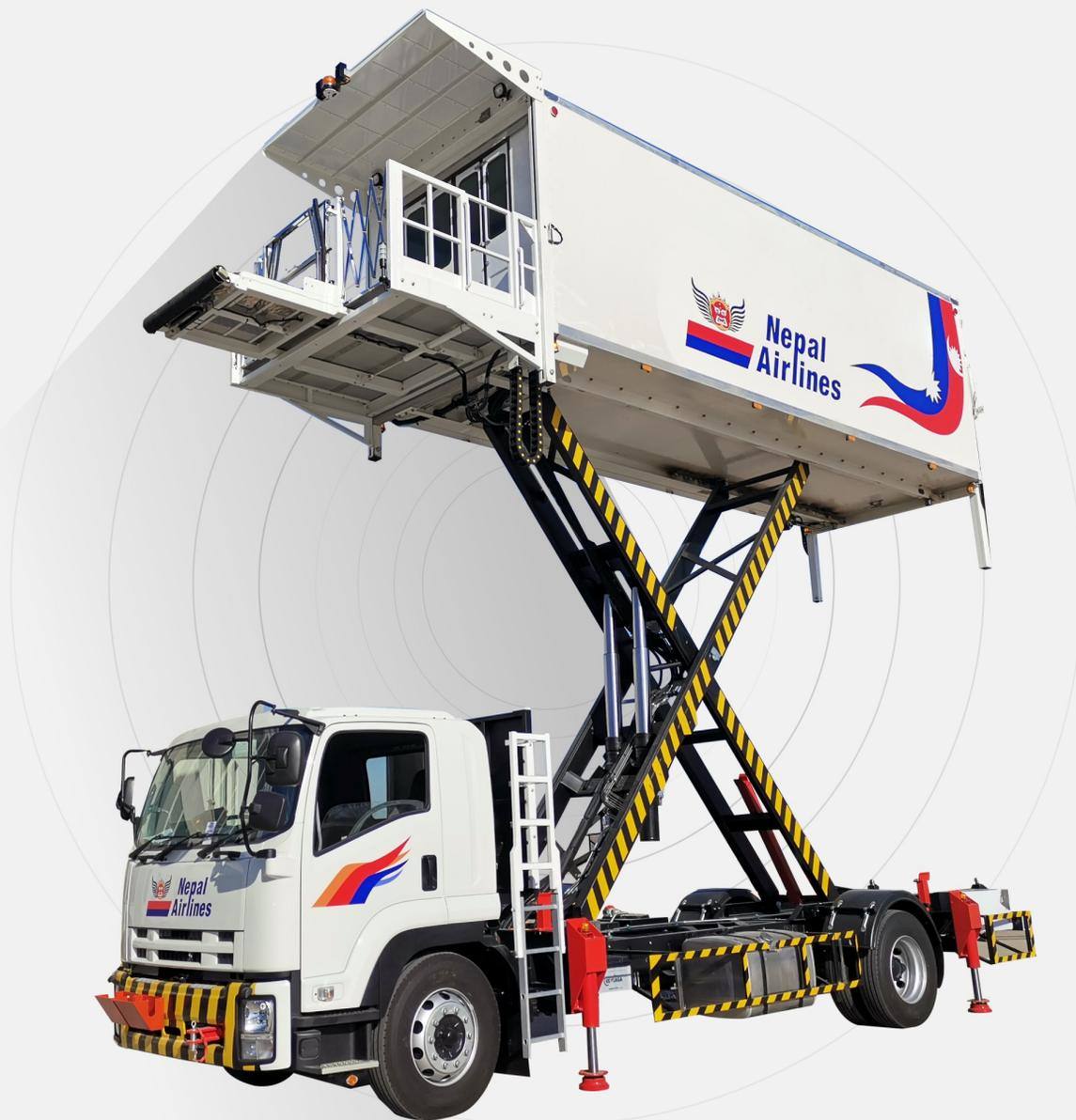
XC-6000e Type Aviation Catering Truck (Fuel Type)
Shenzhen CIMC-TianDa Airport Support Ltd.