Poland Approves New Rules for Energy Storage Frequency Regulation Reserves, Effective in December
en.Wedoany.com Reported - On November 18, Poland's Energy Regulatory Office (URE) approved Amendment No. 6/2026 to the Electricity Balancing Rules submitted by the national transmission system operator Polskie Sieci Elektroenergetyczne (PSE), adjusting the technical requirements for battery energy storage and other power resources participating in automatic Frequency Restoration Reserve (aFRR). The new rules will take effect on December 1, 2026, requiring resources providing aFRR services to complete their response within a specified time of no more than 5 minutes, while limiting the power ramp rate so that energy storage systems are not permitted to reach their full qualified regulation power within 2.5 minutes.
Under the amended rules, the rate of power change for aFRR service resources must not exceed the value obtained by dividing their qualified regulation power range by 2.5 minutes. During the rule-making process, PSE proposed that resources based on power electronic equipment, such as battery energy storage, are capable of completing output adjustments within extremely short timeframes, and that concentrated rapid response could affect the stable operation of local grids and the entire power system; therefore, a uniform limit on power adjustment speed was set.
The rule adjustment also reclassifies manual Frequency Restoration Reserve (mFRR) products. The standard product will align with the trading requirements of the European MARI electricity balancing platform, setting a 2.5-minute preparation time, a 10-minute power ramp time, a delivery period of 5 to 20 minutes, and a 10-minute exit time. The other category, non-standard products, primarily serves the needs of Poland's domestic power system and follows technical requirements separately established by PSE.
Regarding ancillary service access, the new rules allow some balancing service providers to connect to the PSE system via remote Load Frequency Control (LFC) nodes and transmit operational monitoring signals in real time. Generating facilities with a single-unit capacity of 500 MW, or with a centrally dispatched unit combination totaling 500 MW, must still use local LFC node connections. Other eligible service providers may use remote nodes to participate in electricity balancing services.
During the rule consultation period from July 21 to September 7, 2026, the Polish Energy Storage Association (PSME) raised objections to the aFRR power ramp limitation, requesting power system stability studies, periodic review of the limitation criteria, and research into exemption or alternative control schemes for energy storage equipment. PSE did not adopt the requested modifications. Regarding the remote LFC access arrangements, the energy storage industry supports relaxing access conditions to lower the technical threshold for small and medium-sized energy storage operators to participate in the ancillary services market.
Related Products


"Shunyi 1600" Deep-submerging Bottom-sitting Multi-functional Wind Power Engineering Vessel
Zhengli Offshore Engineering Co., Ltd.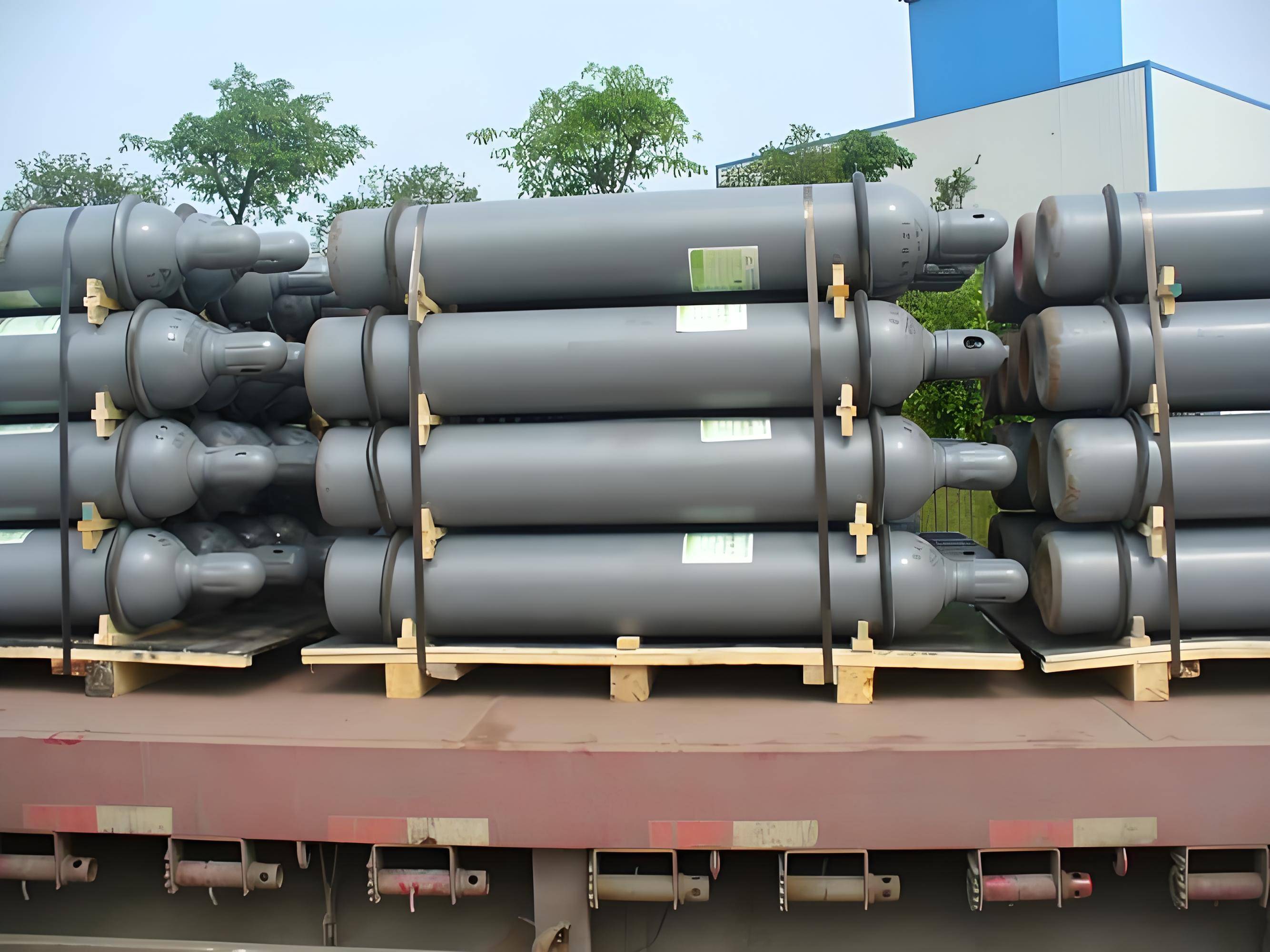
Global Sulfur Hexafluoride Gas Supply and Cylinder Export
Foshan Yuexin Industrial Gas Co., Ltd.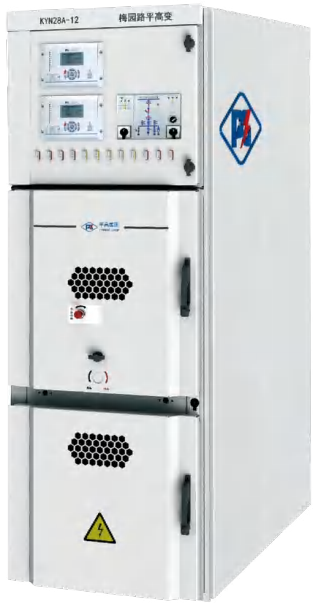
KYN28A-12 Metal Armored Removable Switchgear
Tianjin Ping Gao Intelligent Electric Co., Ltd.
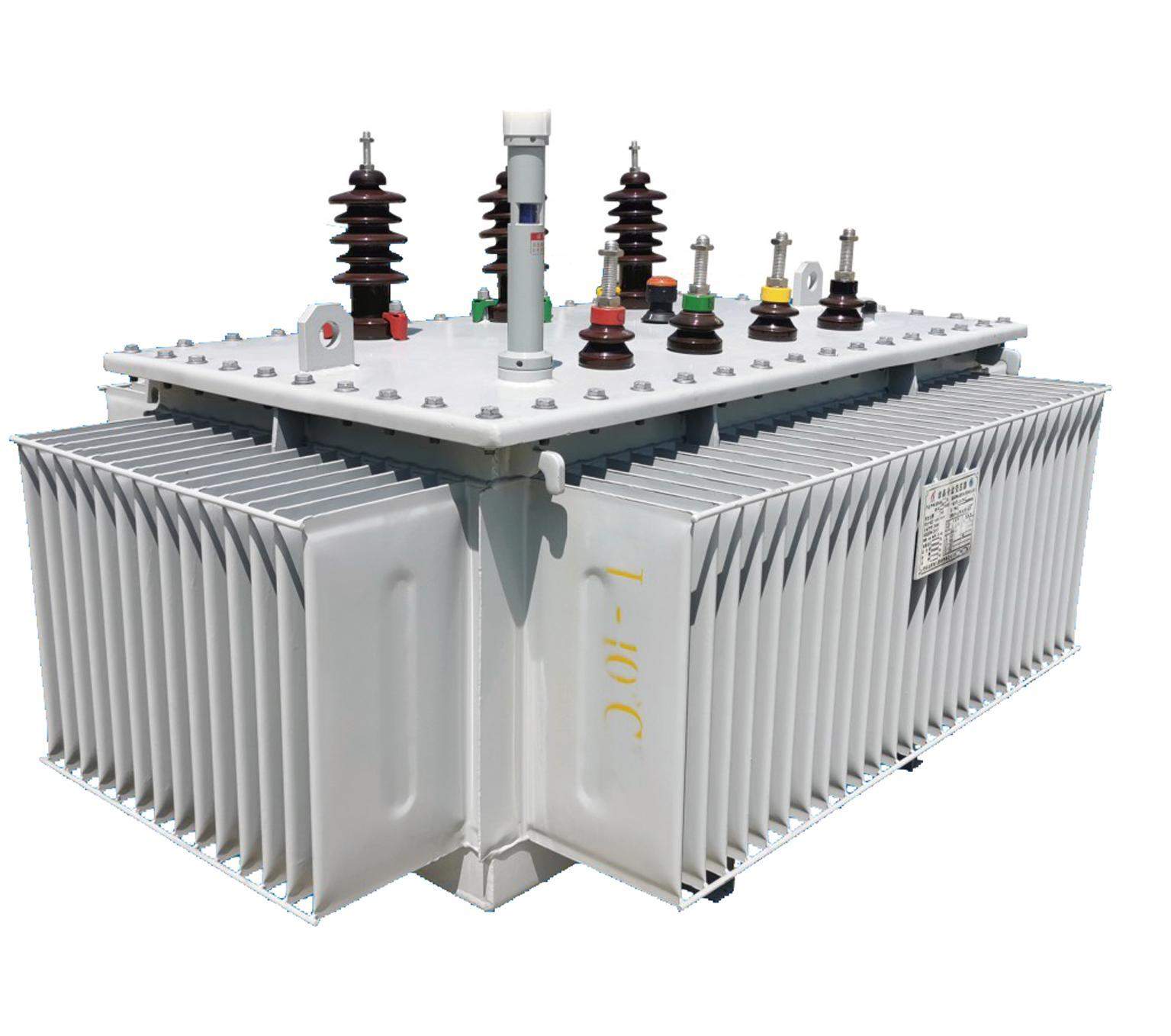
S(B)H15 Type (Energy Efficiency Level 3) Oil-Immersed Amorphous Alloy Core Distribution Transformer
Henan Longxiang Electric Co., Ltd.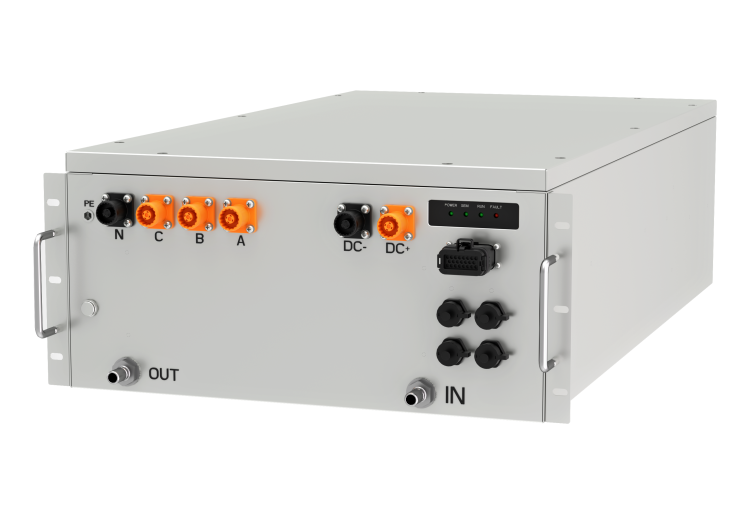
Mars (Liquid Cooling) Series Industrial and Commercial Energy Storage Converter High Protection Module
Shenzhen Winline Technology Co., Ltd.