CNOOC Completes Load-Out of 17,000-Tonne Offshore Platform Using 50,000-Tonne Traction System
en.Wedoany.com Reported - On November 20, CNOOC Offshore Oil Engineering completed the load-out of the central platform for the Dongfang 1-1 Gas Field Carbon Injection and Gas Enhancement project at its high-end equipment manufacturing base in Qingdao, Shandong Province. The platform, weighing approximately 17,000 tonnes, was precisely loaded onto the large offshore engineering transport barge "Hai Yang Shi You 228" after nearly 10 hours of traction, and will subsequently be transported approximately 2,800 kilometers to the Yinggehai sea area in Hainan for offshore installation. With the completion of this load-out, the project has transitioned from the onshore construction phase to the offshore transport and installation phase.
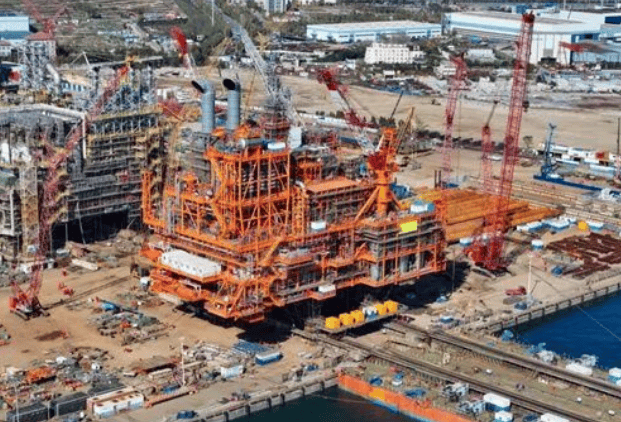
The central platform transported in this operation stands more than 28 stories tall, with a total deck area exceeding 10,000 square meters and an overall weight of nearly 17,000 tonnes. The platform integrates more than 240 sets of equipment, including a low-temperature decarbonization system, a waste heat recovery unit, and an organic Rankine cycle generator, with a total pipeline length exceeding 27,000 meters and a total cable length of approximately 350,000 meters. The platform is characterized by its large weight, complex structure, and high equipment concentration, placing stringent demands on the deck load-bearing capacity, loading stability, and synchronous control during the load-out process of the transport vessel.
The "Hai Yang Shi You 228," which undertook this transport mission, is a large offshore engineering transport barge of Offshore Oil Engineering, with a length of 192.73 meters, a molded breadth of 36 meters, a deadweight of approximately 57,900 tonnes, and a loading area of approximately 7,965 square meters. The vessel is primarily used for offshore transport and installation support operations for large offshore oil and gas platform topsides and engineering structures.
To accomplish the transfer of this large structure, the project adopted an operational scheme of "integral construction in the non-slipway area + transfer by self-propelled modular transporter + slipway traction load-out." The platform was first constructed integrally in the non-slipway area of the base, then transferred to the wharf slipway by self-propelled modular transporters, reducing the time that large structures occupy slipway resources over extended periods.
During the load-out phase, the construction team employed China's first independently developed 50,000-tonne-class pulling jack load-out system, utilizing the slipway interfaced between the wharf and the barge to traction the entire platform to the designated position on the transport vessel. The system has a maximum traction capacity of 50,000 tonnes and consists of multiple large pulling jacks, boosting jacks, power stations, and a control system.
During the load-out process, personnel dynamically adjusted the water volume in the ballast tanks of the transport barge based on tidal variations and platform weight transfer conditions, controlling the vessel's draft and attitude to keep the barge slipway and the wharf slipway at the same horizontal plane. Meanwhile, a load-out visualization system provided real-time monitoring of the traction process, controlling the platform's movement speed and stress conditions to reduce the risk of eccentric loading and slippage during the transfer of the large structure.
After the platform is secured, it will be transported by the "Hai Yang Shi You 228" to the Yinggehai sea area in Hainan, a transport distance of approximately 2,800 kilometers. According to the project schedule, the central platform is planned for offshore installation in December 2026, followed by platform positioning, structural connection, pipeline tie-in, and production system commissioning.
The offshore installation of this project will also involve connections to existing platforms and subsea pipeline networks. The overall project includes the construction of two new jacket platform facilities and the laying of subsea pipelines. Upon completion of the central platform installation, it will be tied into the existing production system of the Dongfang 1-1 Gas Field. After the project is put into operation, it is expected to sequester more than 1 million tonnes of carbon dioxide per year in subsea geological formations.
Related Products

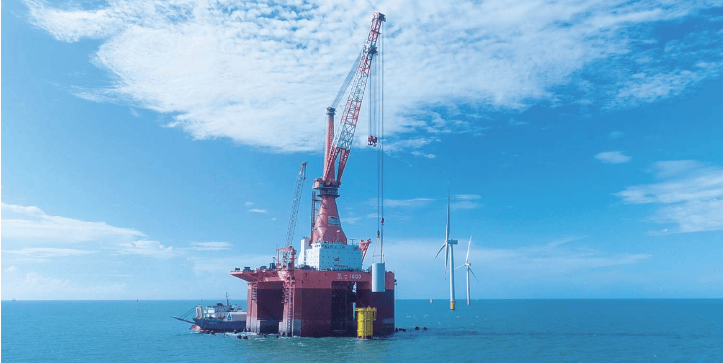
"Shunyi 1600" Deep-submerging Bottom-sitting Multi-functional Wind Power Engineering Vessel
Zhengli Offshore Engineering Co., Ltd.
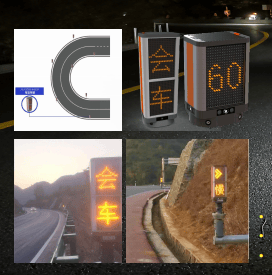
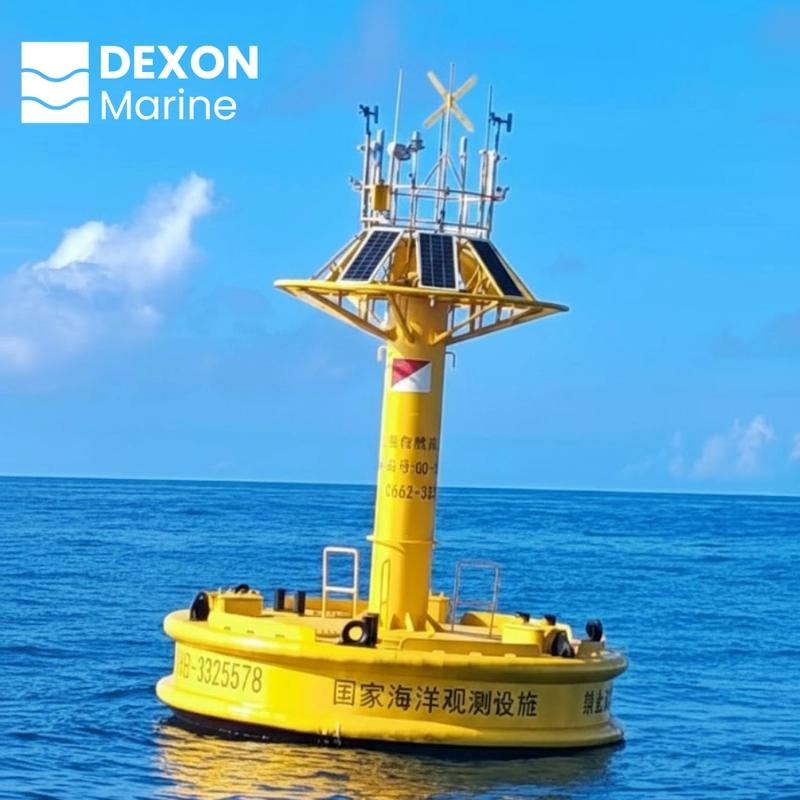
3m intelligent buoy combining navigation safety and real-time marine monitoring integrated navigation and marine monitoring system for real-time maritime data
Chengdu Dixin Technology Co., Ltd.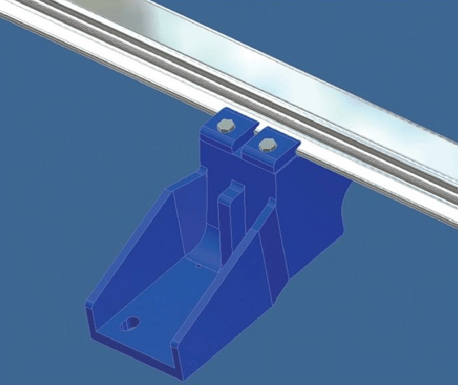
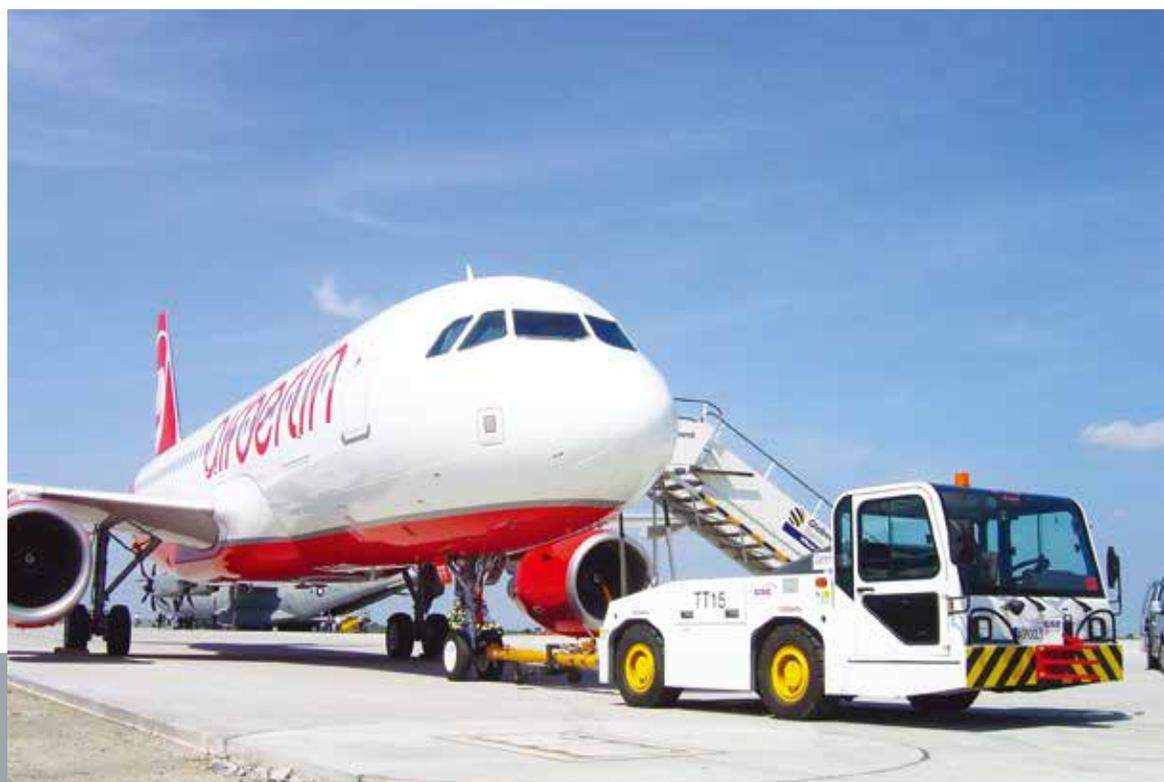
WGQY Series Aircraft Tow Tractor-WGQY15, WGQY27
Weihai Guangtai Airport Equipment Co., Ltd.
Pantograph-Catenary Comprehensive Detection Device (1C)
CHENGDU TANGYUAN ELECTRIC CO., LTD.
Explosion-proof lithium battery dispatching monorail crane locomotive (permanent magnet frequency conversion integrated machine)
Xiangtan Hengxin Industrial Co., Ltd.
Industrial and Commercial Point-Type Gas Detector
Jinan Benan Technology Development Co., Ltd.