Denmark's NKT Starts Production of 525 kV DC Submarine Cables for Dutch 2 GW Offshore Wind Project
en.Wedoany.com Reported - On November 24, Danish cable manufacturer NKT commenced production of high-voltage direct current (HVDC) submarine cables for the Dutch IJmuiden Ver Beta offshore wind grid connection project, using low-carbon aluminum conductor material supplied by Norwegian company Hydro. The project is being constructed by Dutch and German transmission system operator TenneT, with a designed transmission capacity of 2 GW. It adopts a 525 kV cross-linked polyethylene (XLPE) insulated HVDC cable system and is tasked with transmitting electricity from offshore wind farms in the Dutch North Sea to the onshore power grid.
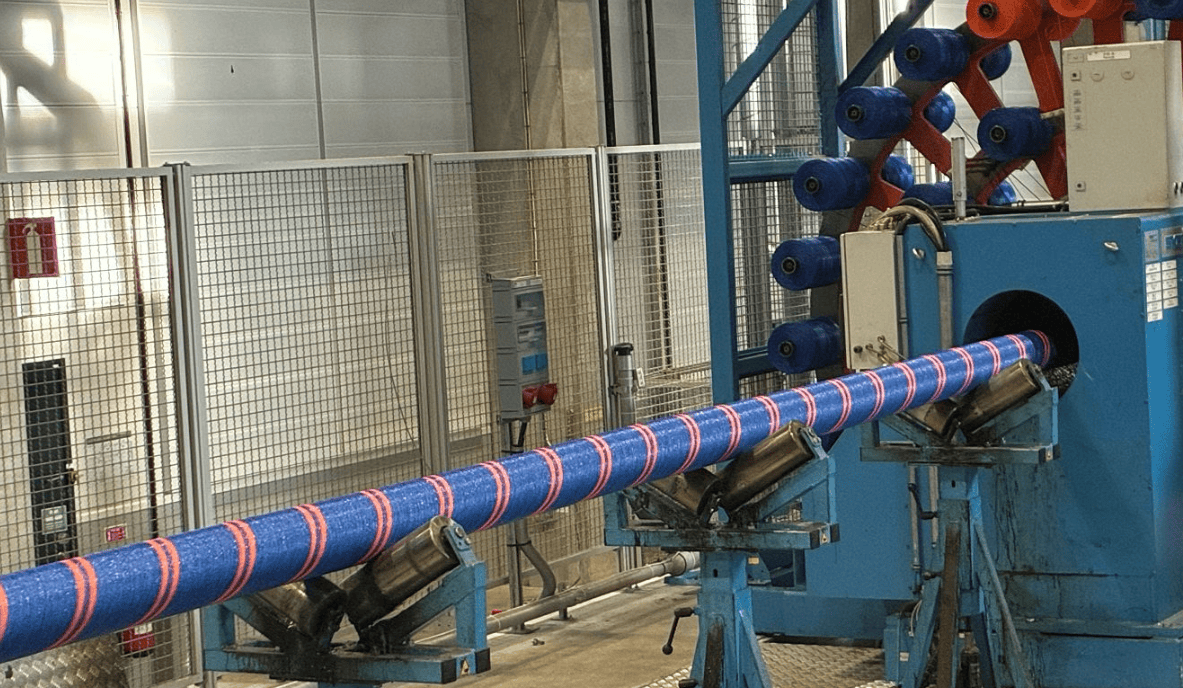
NKT was awarded the submarine cable system contract by TenneT in 2023. The contract covers one of the world's first offshore wind HVDC transmission connections to adopt 525 kV XLPE insulation technology. The start of production marks the entry of the relevant cable system into the manufacturing phase, with the cable products to be used to connect offshore converter facilities in the North Sea to the Dutch onshore power grid.
The submarine cable manufacturing uses Hydro REDUXA low-carbon aluminum wire rods produced by Hydro, with material supply carried out under a long-term supply agreement signed by the two parties in 2024. The certified carbon footprint of the aluminum material is 3.7 kg CO2 equivalent per kilogram, approximately 40% lower than the European average for aluminum wire rods.
According to the raw material supply system published by NKT, all aluminum purchased from Hydro is certified under the Aluminium Stewardship Initiative (ASI) Chain of Custody. The related bauxite mining, alumina refining, and primary aluminum smelting processes all come from facilities that comply with ASI Performance Standards.
The IJmuiden Ver Beta offshore transmission corridor connects the offshore wind development zone in the Dutch North Sea with the onshore grid connection area at Maasvlakte in Rotterdam. According to the engineering plan of Dutch transmission system operator TenneT, the corridor adopts 2 GW standardized offshore DC transmission technology. Offshore wind power is converted to HVDC electricity at converter platforms and then transmitted via submarine cables to onshore converter stations.
Related Products

Standard Nozzle Flowmeter
Jinggong Automatic Control Instrument Complete Technology Development Company
IGBT Hydrogen Production Power Supply - High Power Air Cooling
Beijing Zhengzhuo Engineering Technology Co., Ltd.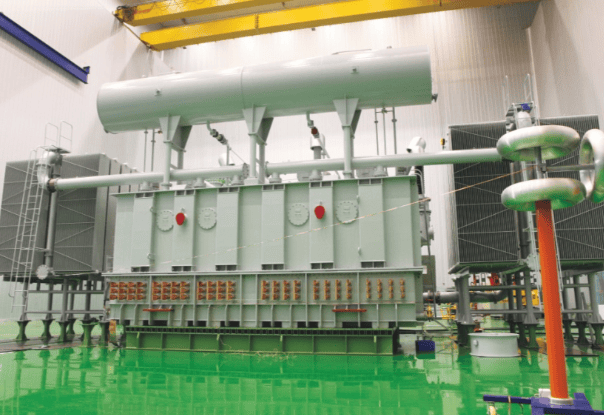
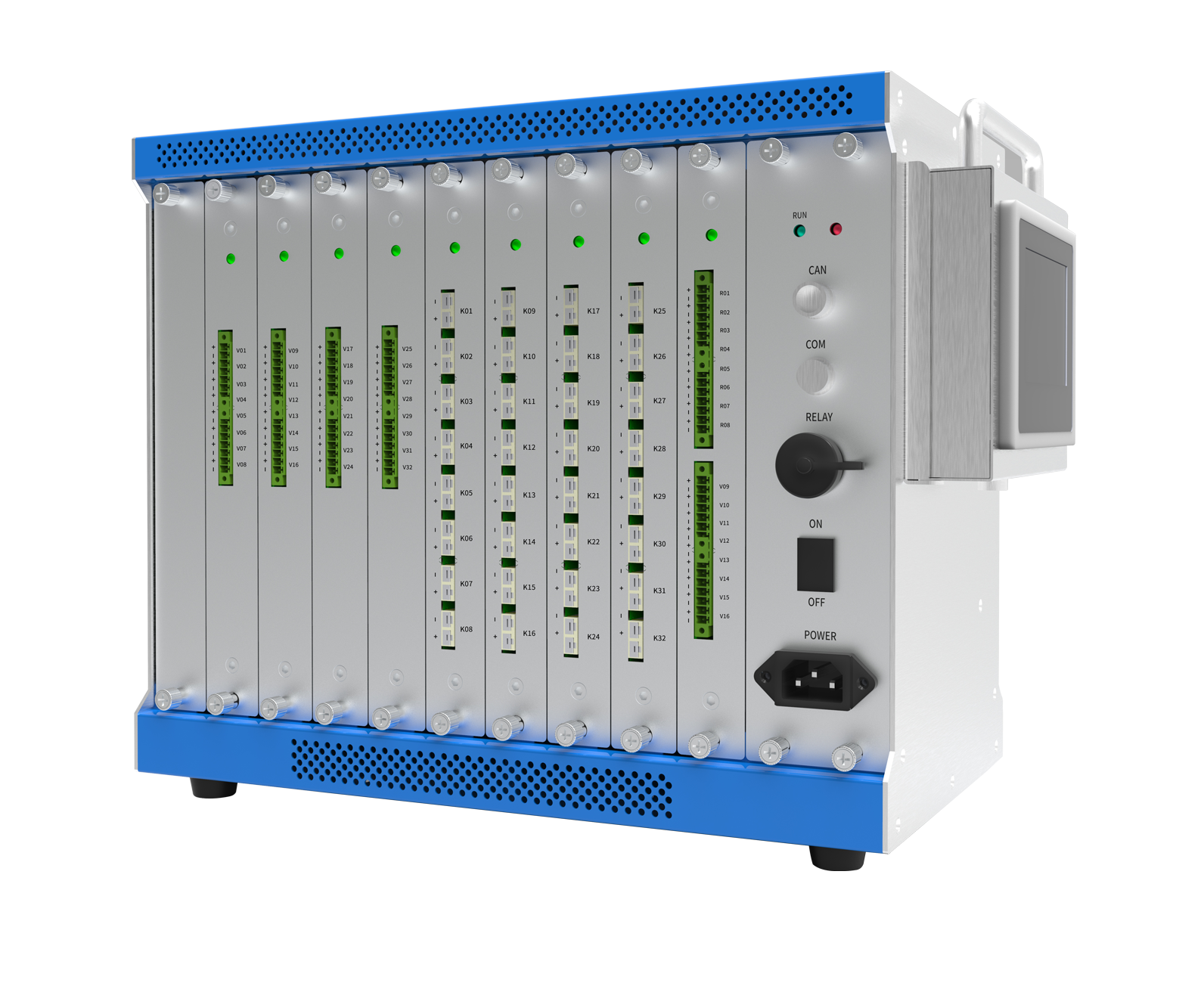
Optional Accessory - Auxiliary Sampling Module
Beijing Soaring Electric Technology Co., Ltd.
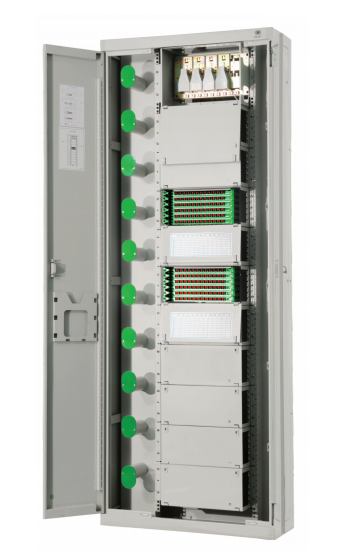
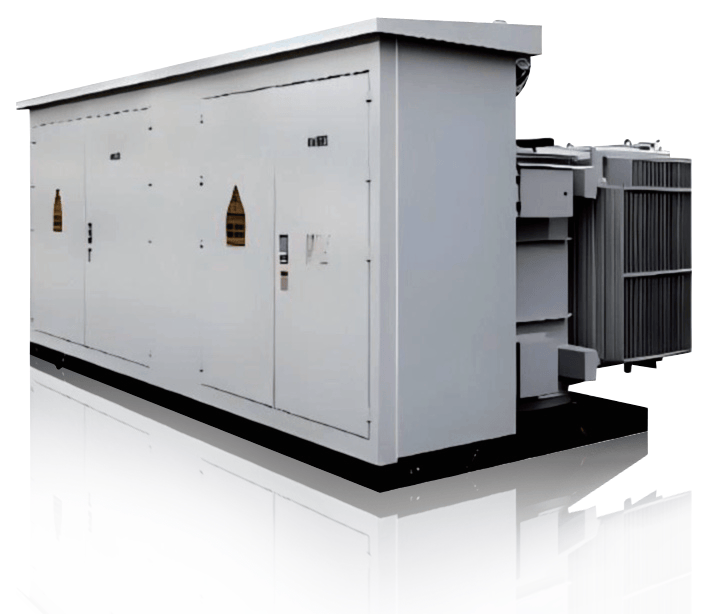
H-40.5/0.4~1.14kV New Energy Power Generation Dedicated High Voltage/Low Voltage Prefabricated Substation
XJ (Xiamen) Intelligent Power Equipment Co., Ltd.

714CD Series C-Band Weather Radar
Chengdu Zhongdian Jinjiang Information Industry Co., Ltd.
Pneumatic high-pressure wear-resistant ball valve
Zhejiang Deca Control Valve Meter Co., Ltd.