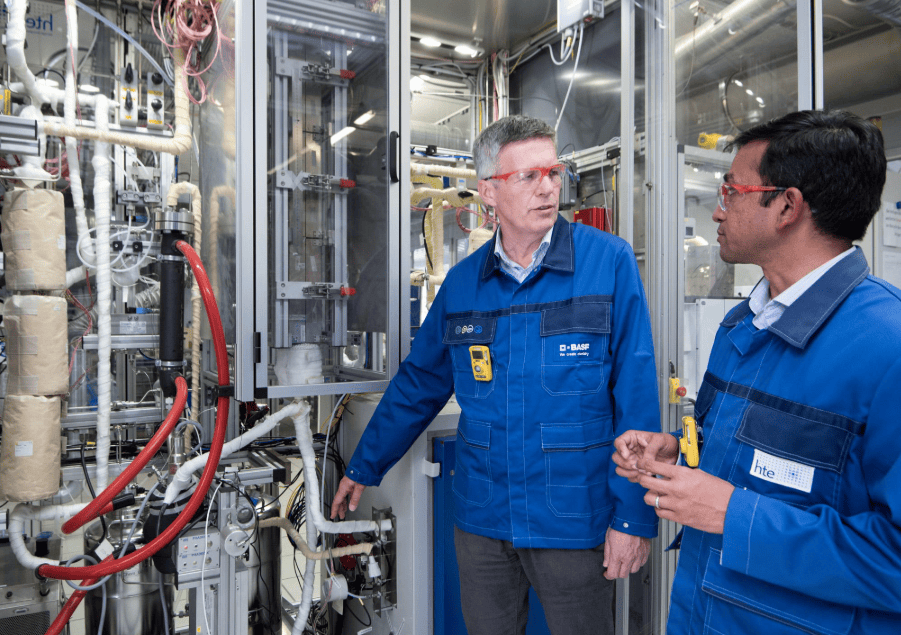
Dutch Caustic Soda Electrification Project Approved with Energy Savings Target of 85%
en.Wedoany.com Reported - On November 23, Dutch chemical company Nobian released an update on the technical renovation of its Delfzijl chlor-alkali plant. The electrified caustic soda evaporation and concentration unit, built in cooperation with Finnish industrial energy service provider Adven, has obtained the final environmental permit from the Province of Groningen. The project adopts mechanical vapor recompression (MVR) technology, saving approximately 85% energy compared with the existing production process and reducing carbon dioxide emissions by up to 25,000 tons per year. It is scheduled to enter operation in 2028.
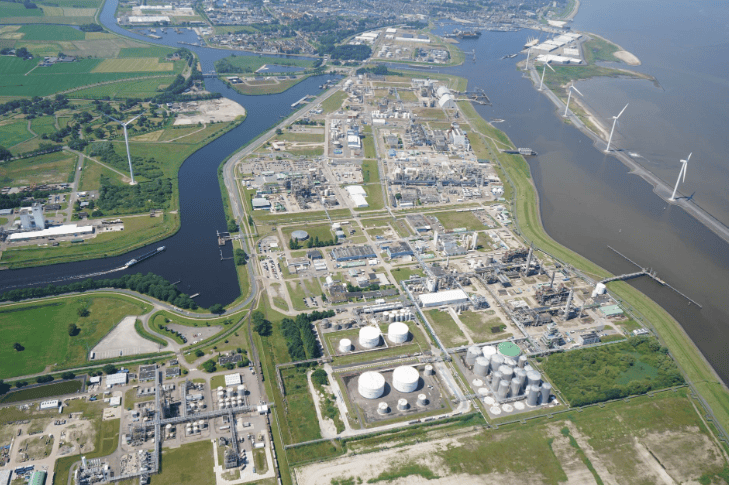
The new unit is centered on an electricity-driven industrial heat pump, which raises the temperature and pressure of the secondary steam generated during evaporation through mechanical compression and reuses it as a heat source for caustic soda concentration, reducing the existing process's reliance on natural gas-generated steam. The project is the first in Europe to apply MVR technology to the caustic soda concentration process at this industrial scale.
Under the cooperation agreement signed by both parties in October 2024, Adven is responsible for the design, investment financing, engineering construction, and subsequent operation and maintenance of the unit, while Nobian is responsible for the production process and operation management of the existing plant and will acquire ownership of the unit in a later phase. The project's latest commissioning target has been adjusted from the originally planned 2027 to 2028.
The project is included in the dedicated industrial emission reduction agreement signed between Nobian and the Dutch government. The environmental permit from the Province of Groningen covers the operation of major hazard installations and integrated pollution prevention and control facilities. The Dutch infrastructure and water management authority has simultaneously approved the project's wastewater discharge permit, allowing the relevant wastewater to be discharged into the seaport canal of the Ems–Dollard estuary system.
Related Products

Steel Pipes for Refining and Coal Chemical Industries
YANGZHOU LONTRIN ENERGY EQUIPMENT CO.,LTD.
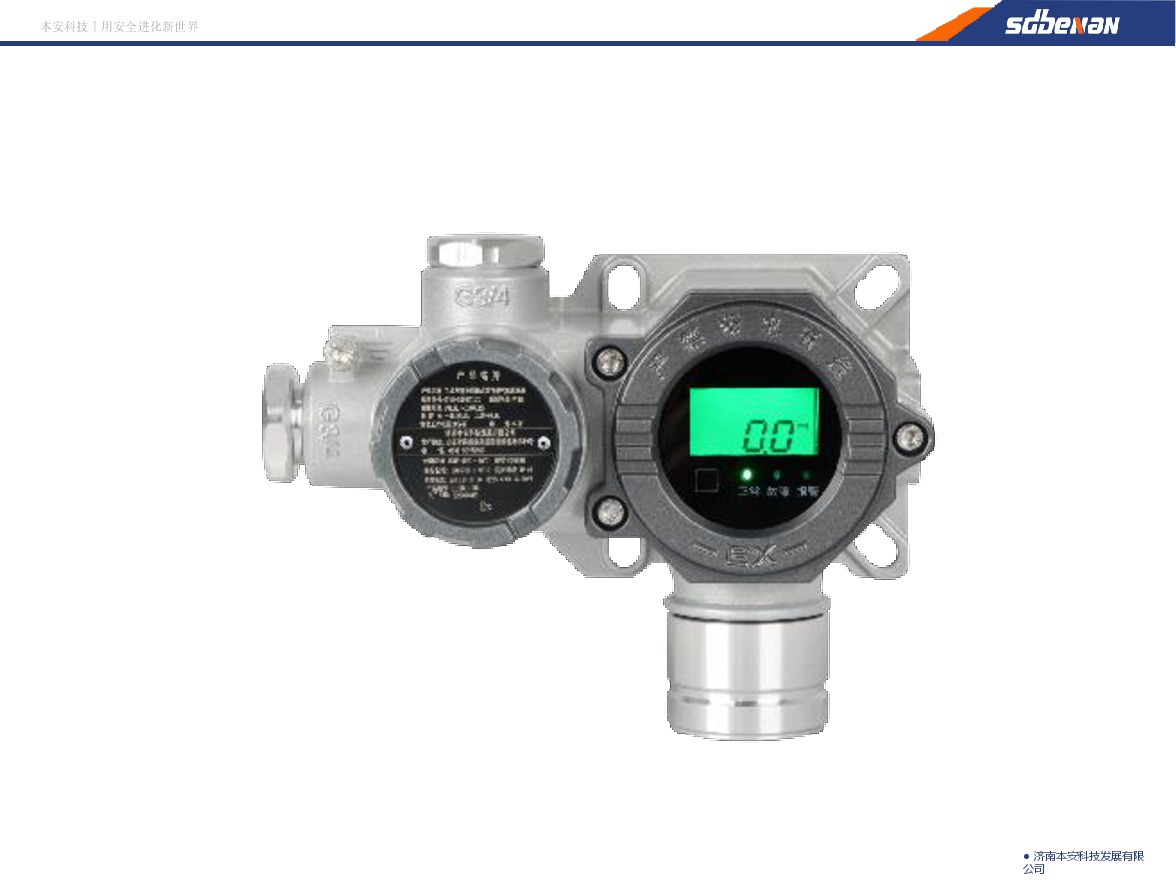
Industrial and Commercial Point-Type Gas Detector
Jinan Benan Technology Development Co., Ltd.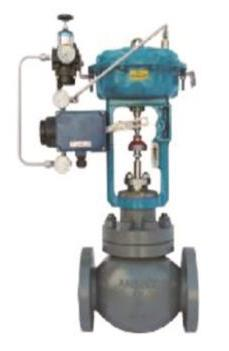
Quick-Change Single-Seat Control Valve / Quick-Change High-Pressure Single-Seat Control Valve
Beijing Consen Automation Technology Co., Ltd.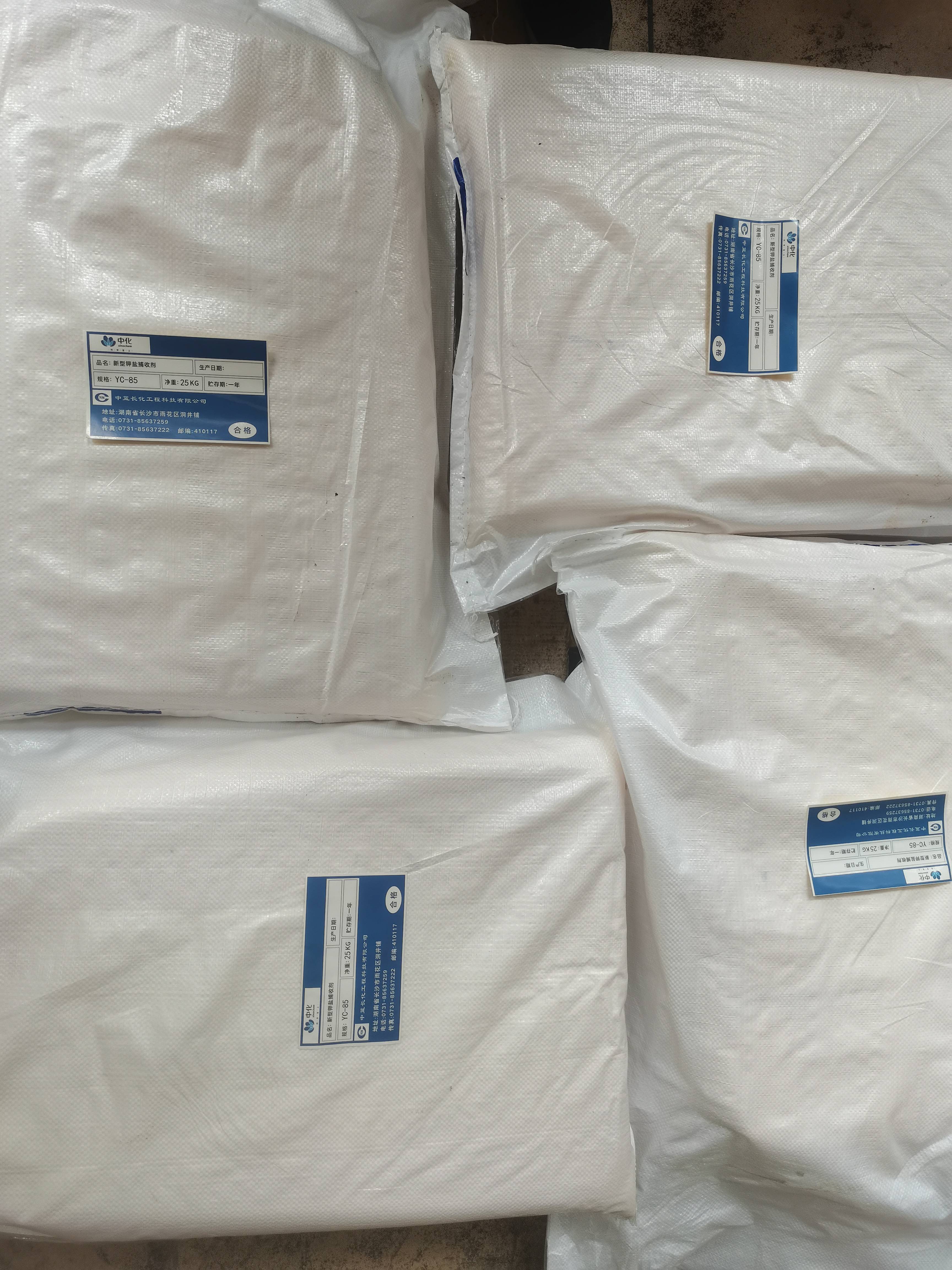
New Environmentally Friendly Green Potassium Salt Collector
Chonfar Engineering and Technology Co., Ltd.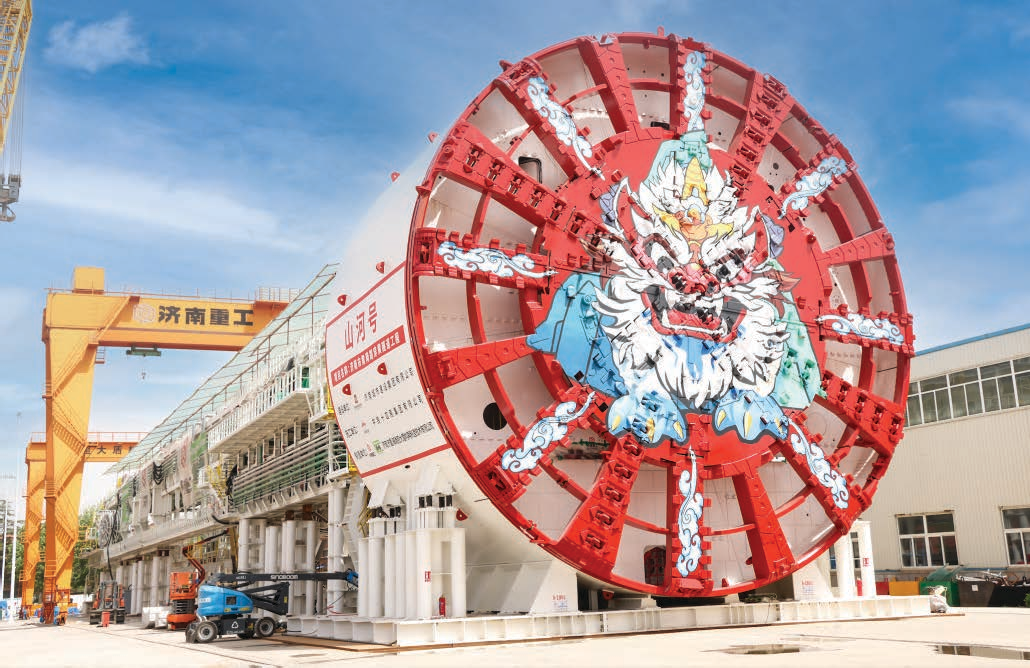
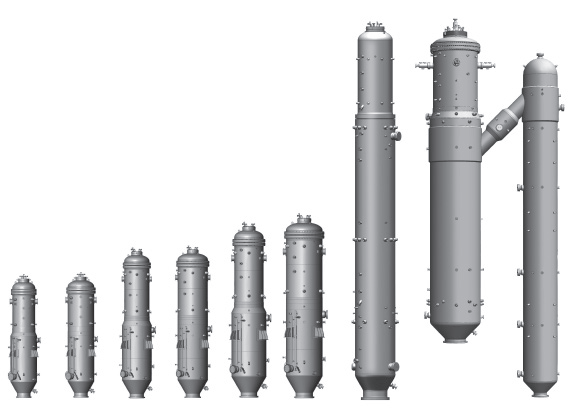
Gasification Furnace Series: Freely Combinable Aerospace Furnace
CHANGZHENG ENGLINEERING CO., LTD.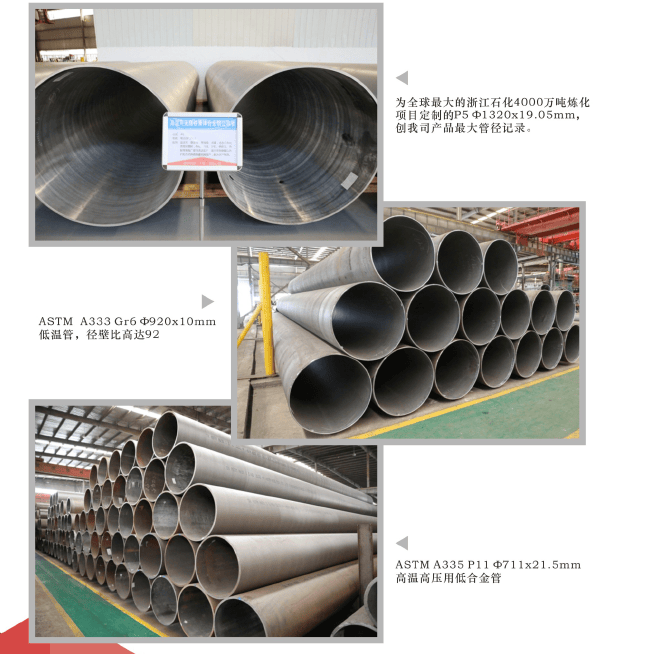
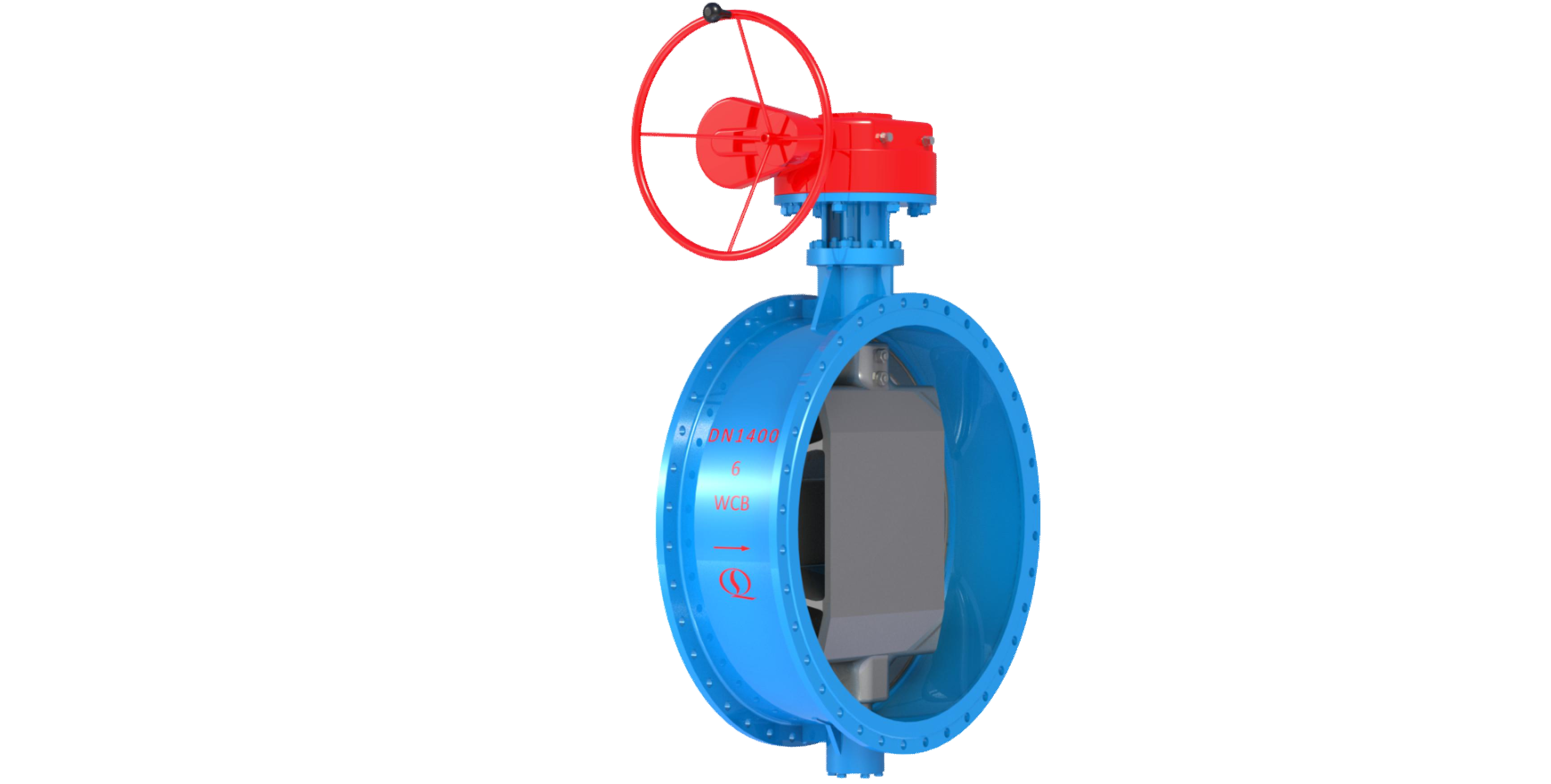
Bidirectional Metal Hard Sealed Seawater Butterfly Valve
Henan Quanshun Flow Control Science & Technology Co., Ltd.