China Leads the Development of Three International Standards for Sludge Treatment and Utilization
en.Wedoany.com Reported - China is advancing the development of three international standards in the field of sludge treatment and utilization within the International Organization for Standardization (ISO). Among them, the "Standard for Risk Assessment and Classification of Sludge Land Application" (ISO 8228:2026) was officially published in September 2026; the "Technical Specification for Sludge as Auxiliary Solid Fuel" (ISO 25899) has entered the committee draft inquiry stage; and the "Guidelines for Odor Collection and Biological Deodorization Technology in Sludge Disposal" (ISO 25967) is undergoing technical development.

The "Standard for Risk Assessment and Classification of Sludge Land Application" was developed under the National Key R&D Program project "Rapid Sludge Reduction and Resource Utilization Coupling Technology." Addressing the dual attributes of sludge as both a resource and a pollutant, it establishes a technical system covering chemical pollutant testing, ecotoxicity evaluation, sludge classification, and land application pathway selection.
The standard adopts a two-stage risk assessment technical approach. First, the concentrations of heavy metals and hazardous organic pollutants in sludge are tested. Then, for sludge that meets pollutant limit requirements, higher plant seed germination tests and earthworm reproduction toxicity tests are conducted. Based on the ecotoxicity evaluation results, the sludge grade is determined and matched with the appropriate land application method.
According to the published draft standard, sludge ecotoxicity evaluation establishes three grades, with grading thresholds for seed germination and earthworm reproduction inhibition rates of 10%, 20%, and 30%, respectively, corresponding to crop cultivation land, public park and green space land, and land use scenarios with restricted personnel access such as sand land remediation and mine remediation. The standard also covers sludge sampling, leachate preparation, and testing methods for heavy metals and persistent organic pollutants.
The "Technical Specification for Sludge as Auxiliary Solid Fuel" was approved by ISO on July 23, 2025, led by the Low Carbon Research Institute of China Energy Investment Corporation, and entered the committee draft inquiry stage on October 12, 2026. The standard applies to primary sludge, waste activated sludge, and mixed sludge generated from municipal wastewater treatment plants, excluding bar screen screenings, scum, and grit chamber grit.
The standard focuses on regulating sludge quality, trace element limits, fuel-oriented pretreatment, co-combustion scope, pollutant control, and sampling and monitoring methods. China Energy Investment Corporation has carried out engineering applications of sludge co-combustion at multiple power generation enterprises under its umbrella, providing large-scale operational data and engineering practice support for the standard's development. Experts from Canada, France, India, and other countries participated in the standard development work, and technical content provided by delegations from Germany and Japan was incorporated.
The "Guidelines for Odor Collection and Biological Deodorization Technology in Sludge Disposal" was jointly proposed by the China National Institute of Standardization and Tianjin University, approved by ISO in 2025, and ISO/TC 275/WG 9 Odor Control Working Group was established, with Professor Wang Can of Tianjin University serving as convener, and experts from 11 countries participating in the standard development.
The standard addresses malodorous gases such as hydrogen sulfide and ammonia generated during sludge treatment and resource utilization, and studies requirements for odor collection system design, biological deodorization equipment configuration, operational control, and performance evaluation, covering engineering construction and operational aspects including environmental health and safety management for operations and maintenance personnel, and gas detection at plant boundaries and surrounding environments.
On April 16, 2026, the standard development working group held a technical discussion meeting in Shanghai, focusing on dynamic regulation thresholds for odor collection air volume, online monitoring of odor concentration, biofiltration processes, and technical adaptability under different climate conditions, and advancing the incorporation of engineering validation data from sludge anaerobic digestion and biological filter beds into the standard development work. According to the development plan, the standard will be open for public comment among ISO member countries in August 2027.
Related Products

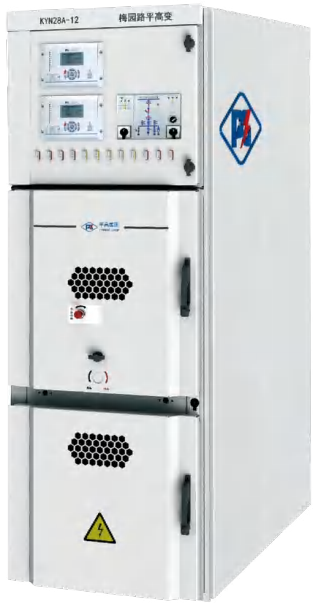
KYN28A-12 Metal Armored Removable Switchgear
Tianjin Ping Gao Intelligent Electric Co., Ltd.
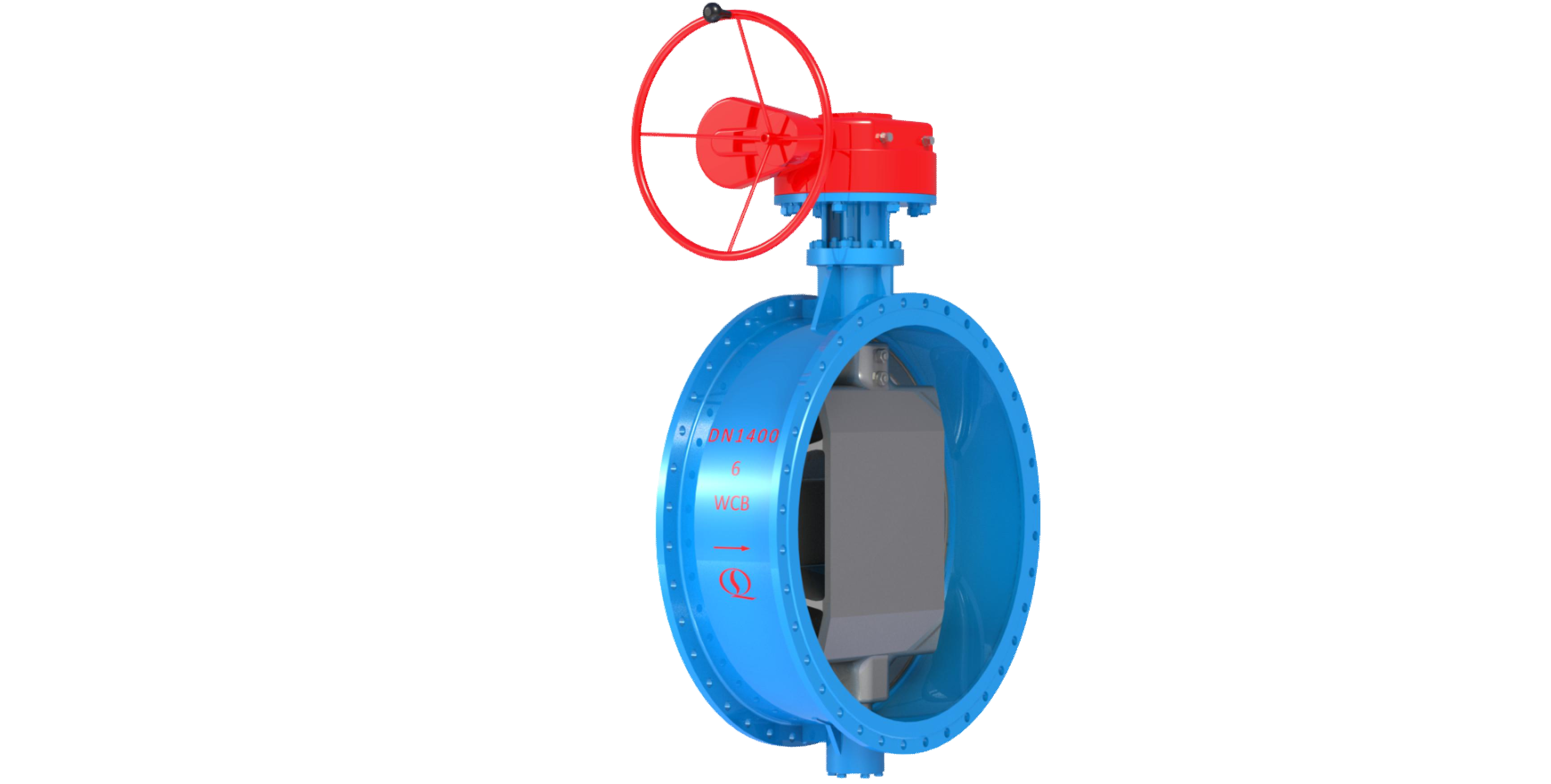
Bidirectional Metal Hard Sealed Seawater Butterfly Valve
Henan Quanshun Flow Control Science & Technology Co., Ltd.
Pneumatic high-pressure wear-resistant ball valve
Zhejiang Deca Control Valve Meter Co., Ltd.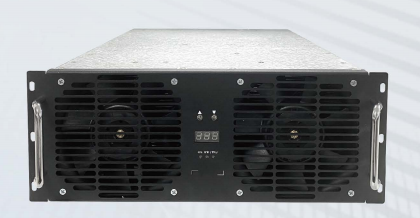
80kW Megawatt Supercharging Module TH80F10030C9
Shijiazhuang Tonhe Electronics Technologies Co., Ltd.

"Shunyi 1600" Deep-submerging Bottom-sitting Multi-functional Wind Power Engineering Vessel
Zhengli Offshore Engineering Co., Ltd.