Goldwind's Cao Zhigang Invited to Attend COP31: Advancing Climate Goals Through Wind Power Action to Make Them "Deliverable"
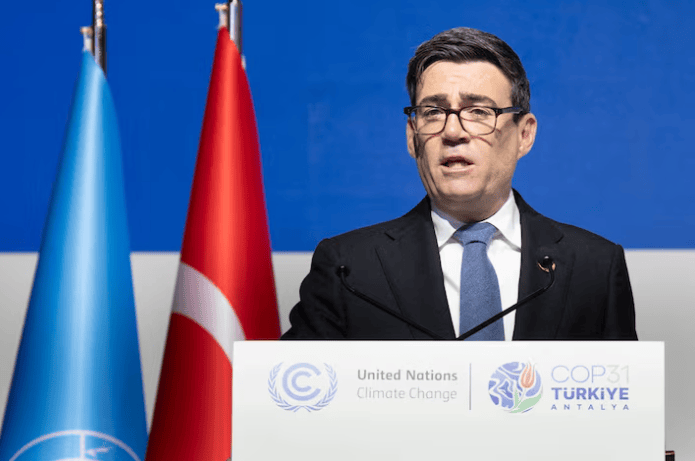
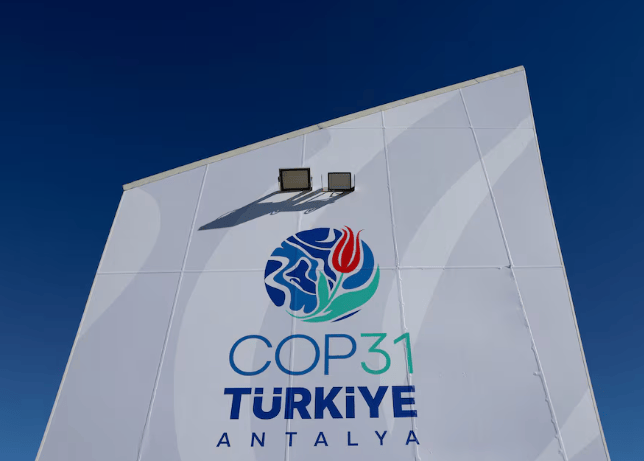
en.Wedoany.com Reported - From November 9 to 20, the 31st Conference of the Parties (COP31) to the United Nations Framework Convention on Climate Change was held in Antalya, Türkiye. Under the theme "From Göbekli Tepe to Global Net Zero," the conference listed the clean energy transition as one of its ten priority issues.
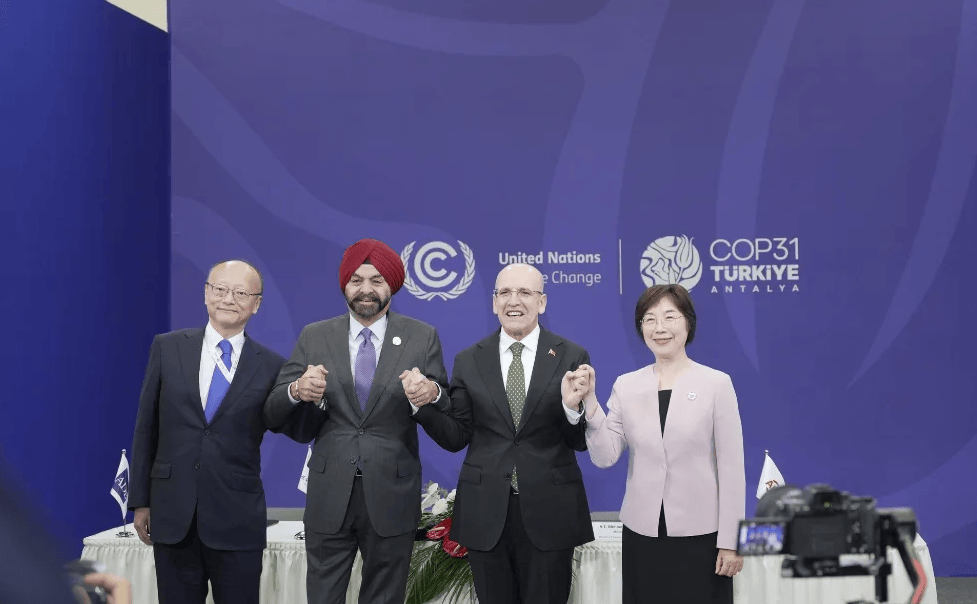
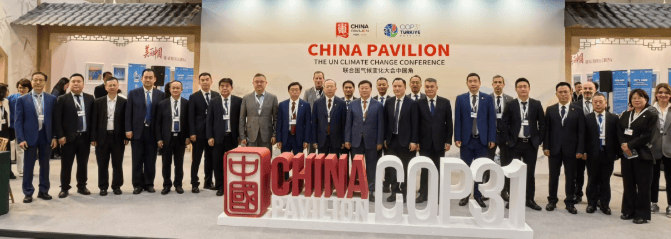
On November 16 local time, a thematic side event was held at the COP31 "China Pavilion." Cao Zhigang, Vice Chairman and President of Goldwind, was invited to deliver remarks titled "Advancing Climate Goals Through Wind Power Action to Make Them 'Deliverable,'" sharing, based on Goldwind's global practices, how the wind power industry can support the translation of climate commitments into concrete actions.
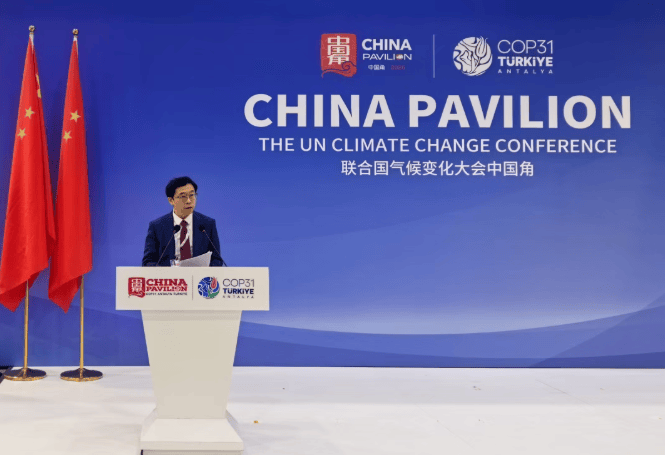
According to the 2026 Emissions Gap Report released by the United Nations Environment Programme in October this year, under continued existing policies, global warming this century will reach 2.8°C, far exceeding the 1.5°C temperature control target. The focus of global climate governance is shifting from grand propositions to the plain yet difficult question of implementation: can commitments already made be turned into measurable, deliverable actions? The presidency of this year's conference has made "raising the share of electricity in final energy consumption to 35% by 2035" a core initiative. International Energy Agency assessments show that, by fully utilizing existing technologies, this share can reach 33%. Cao Zhigang stated: the goal is not far off, but there is a key prerequisite: electricity demand from artificial intelligence, data centers, and industry continues to grow. If new electricity demand is still met by fossil fuels, electrification will not be equivalent to emissions reduction. What energy source meets new electricity demand is the key factor determining whether temperature control commitments can be fulfilled.
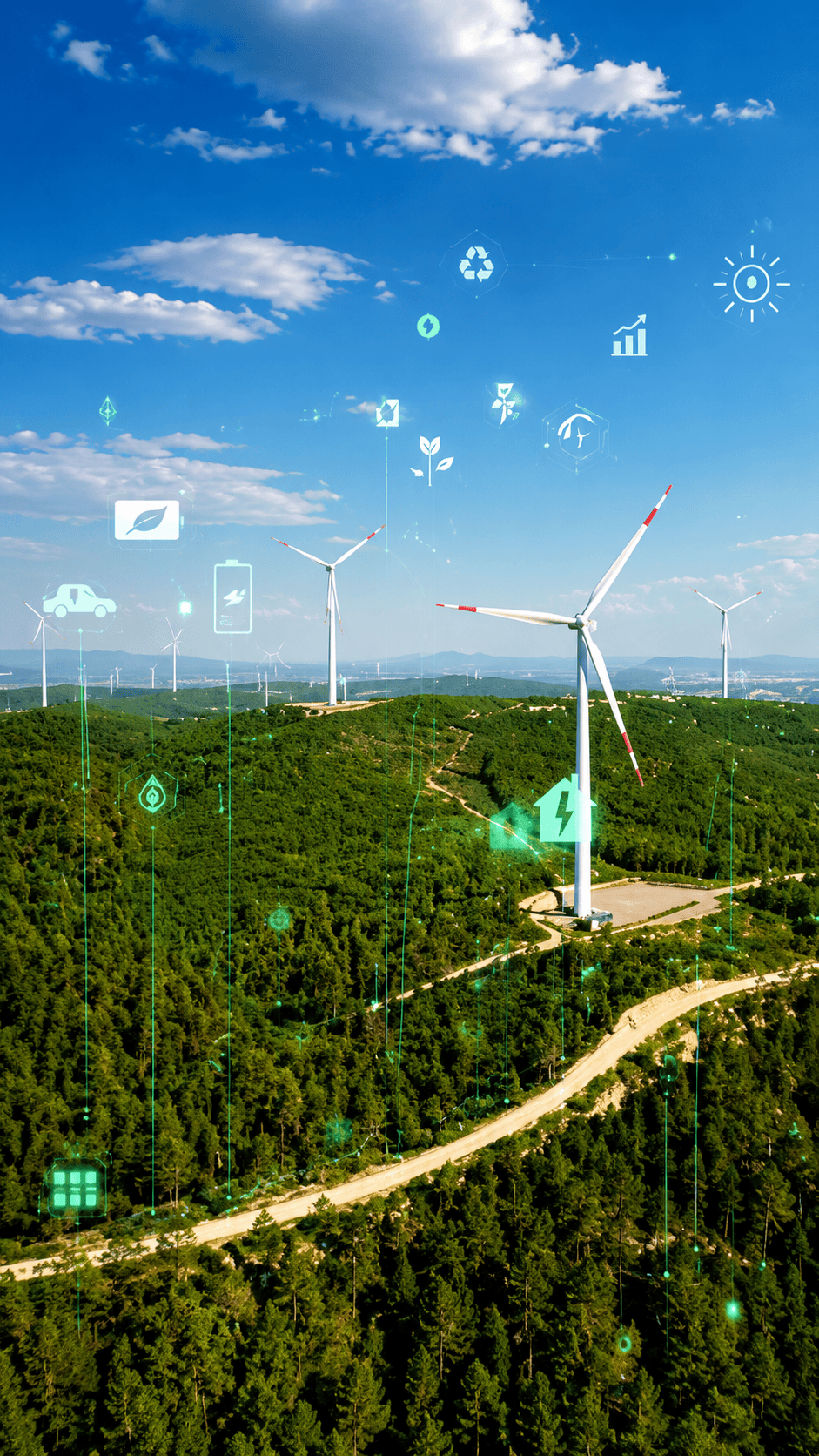
In this regard, wind power has already delivered a measurable answer. In 2025, global wind power generation exceeded 2.7 trillion kWh, accounting for approximately 8% of global electricity generation. It can achieve carbon emission reductions of more than 2.4 billion tons per year, accounting for approximately 6% of total global carbon emissions, making it an important and "trustworthy" pathway for advancing global carbon reduction. At this critical stage for temperature control goals, the wind power industry still must answer: how can emissions reduction targets be turned into an answer sheet that withstands verification, benefits local communities, and drives the development of more industries? Drawing on Goldwind's practices, Cao Zhigang shared the following three perspectives.
First, only when manufacturing itself becomes greener can emissions reduction withstand scrutiny. Cao Zhigang noted: "In terms of green certification, 12 Goldwind turbine models have obtained Environmental Product Declaration certification, with the lowest carbon emissions per kWh of wind power at only 3.52 grams—four-thousandths that of the thermal power industry. Energy storage products and concrete support structures have also obtained carbon footprint certification. At the same time, Goldwind continues to promote green supply chain development; in 2025, the green electricity usage rate of major suppliers has reached 100%. We are exploring new blades, with recyclable materials accounting for more than 97% in prototype units. Only when emissions reduction data move from promotional claims to third-party verified results can climate commitments have a solid foundation."
Second, only by sharing the dividends of the transition with local communities can climate action progress steadily and sustainably. No country can address climate change alone. Green electricity brings clean energy and should also drive local industries and give back to nature and communities—this is the social responsibility and duty that enterprises should shoulder!
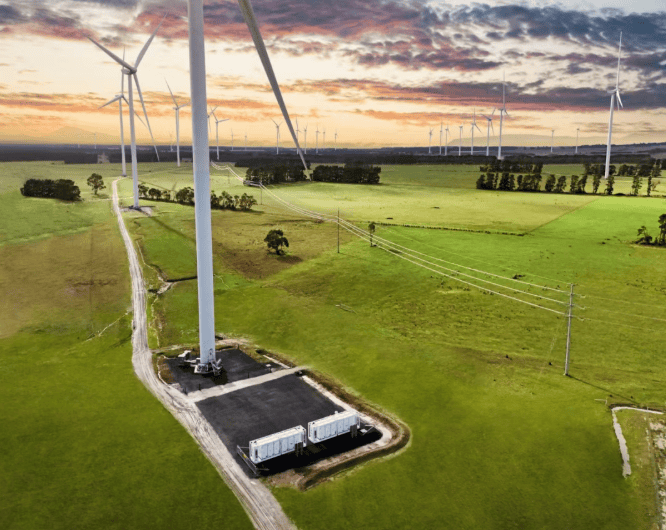
Cao Zhigang cited Goldwind's practices in multiple locations as examples: "In Türkiye, our wind turbines provide green electricity to local steel plants, farms, and cold storage facilities. We actively promote industrial localization, collaborate with local universities to cultivate industry talent, and actively participate in public welfare initiatives such as earthquake rescue. In Brazil, we work with supply chain partners to achieve local manufacturing of core components including blades, towers, castings, and nacelles. In South Africa, the project cluster we participated in building has created more than 3,000 local jobs; wind power has filled the electricity gap left by coal plant retirements and, through community profit-sharing, has shared the benefits of the energy transition with local communities. In Australia, we developed an intelligent bird monitoring and collision avoidance system for wind farms, resolving the conflict between new energy development and the protection of endangered species, and received the Clean Energy Council Innovation Award. These practices demonstrate that wind power can both shoulder the important responsibility of helping the world address climate change and serve as a trustworthy and solid force for the global clean energy transition and green socioeconomic development."
Third, promote green electricity beyond the grid to support decarbonization of key industries. Cao Zhigang pointed out that decarbonization of the power sector is already underway, while the more daunting decarbonization challenges remain in industry, mining, and shipping. In Australia, Goldwind has been deeply engaged for 16 years and has integrated wind power, energy storage, and mine power supply systems across 6 mining projects, continuously ensuring energy stability and carbon reduction for mining operations; through DC coupling of grid-forming wind turbines and energy storage, it has supported the local weak grid. For the shipping industry, which has a relatively low level of green development, the company has innovatively invested in a 1.45 million-ton green methanol project, establishing a full chain of "wind power generation—green hydrogen production from green electricity—methanol production through coupling with biomass." In September this year, the first batch of products was sold to the EU via the Port of Busan. The products have obtained EU sustainability and carbon traceability certification, helping the global shipping industry transition to low carbon.
Cao Zhigang stated: "We believe that through continuous technological innovation and industrial collaboration, wind power will become the energy foundation and green engine for deep decarbonization across industries." From commitment to action, there is still a long way to go. He also put forward three proposals in his remarks.
First, promote mutual support between the energy system and wind power. The energy system should create more development space for wind power in planning, grids, and markets, while wind power should enhance its friendliness and reliable output through technological innovation, jointly consolidating the energy cornerstone for addressing climate change.
Second, deepen open cooperation on green energy. Promote international mutual recognition of carbon footprints and green certifications, make emissions reduction measurable and green attributes tradable, reduce barriers to cross-border transactions, and enable green technologies and outcomes to benefit more countries.
Third, strengthen ESG international cooperation. Promote mutual recognition of ESG standards and evaluation systems, enhance the transparency of environmental, social, and governance performance in cross-border projects, and integrate community benefits, ecological protection, labor rights, and compliance operations into corporate social responsibility systems.
In closing, Cao Zhigang stated: "Goldwind is willing to work with governments, enterprises, and partners of all countries to make greater contributions to global sustainable development with trustworthy technologies and services!"
Related Products


Off-Grid Fuel Cell Supercharging Station (180kW Configuration)
Shanghai REFIRE Group Limited
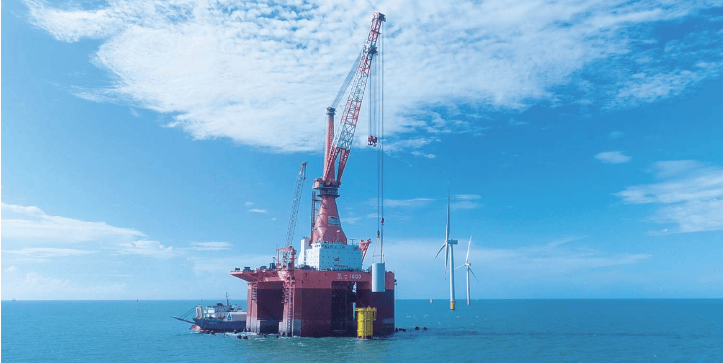
"Shunyi 1600" Deep-submerging Bottom-sitting Multi-functional Wind Power Engineering Vessel
Zhengli Offshore Engineering Co., Ltd.
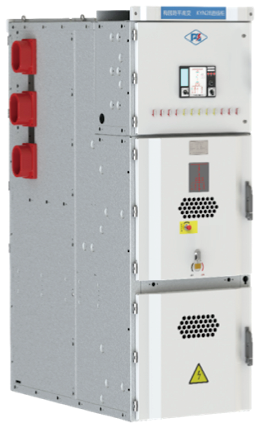
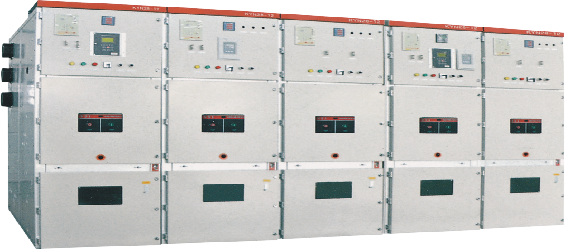
KYN28-12/24 Indoor High-Voltage Metal-Clad Removable Switchgear
Shenzhen Zhaoyang Hui Technology Co., Ltd.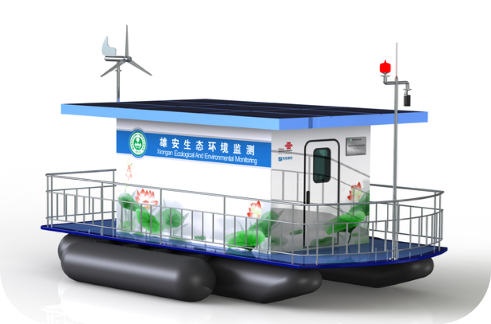
Floating Boat Water Quality Automatic Monitoring System
Hebei Sailhero Environmental Protection High-tech Co., Ltd.