Divisions Emerge in COP31 Fossil Fuel Transition Talks; Australia to Draft Agreement Text
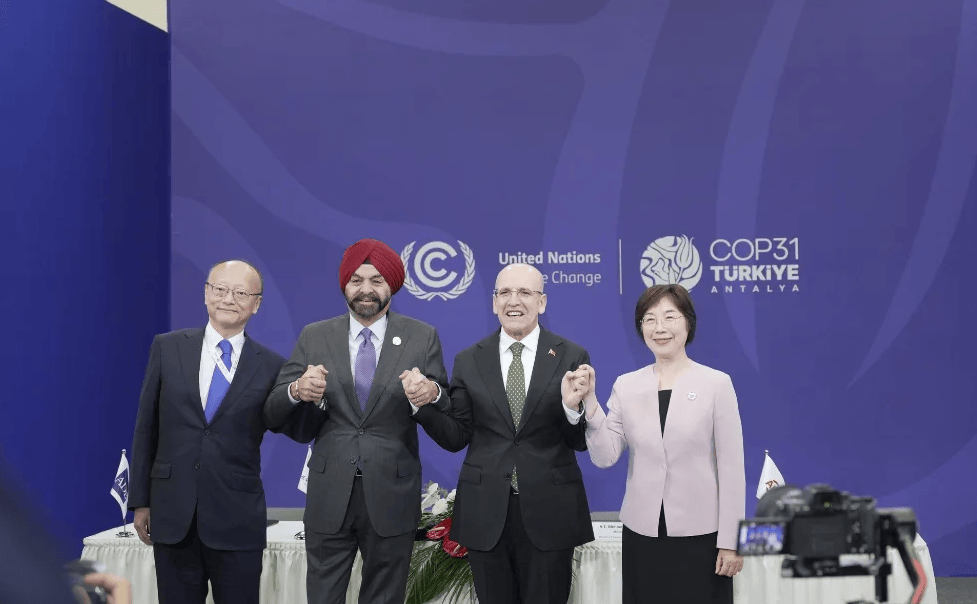
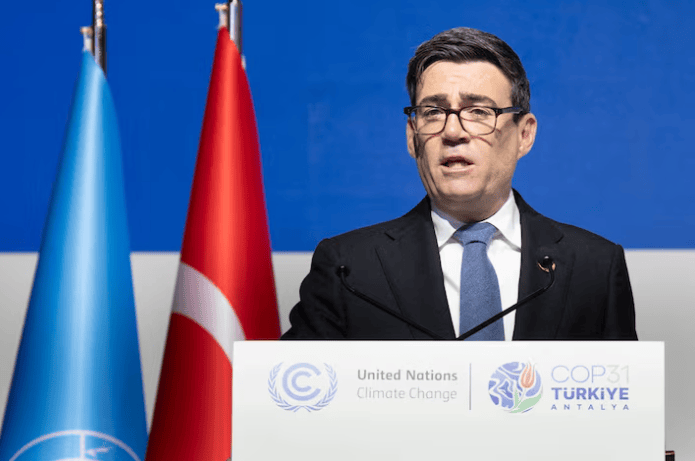
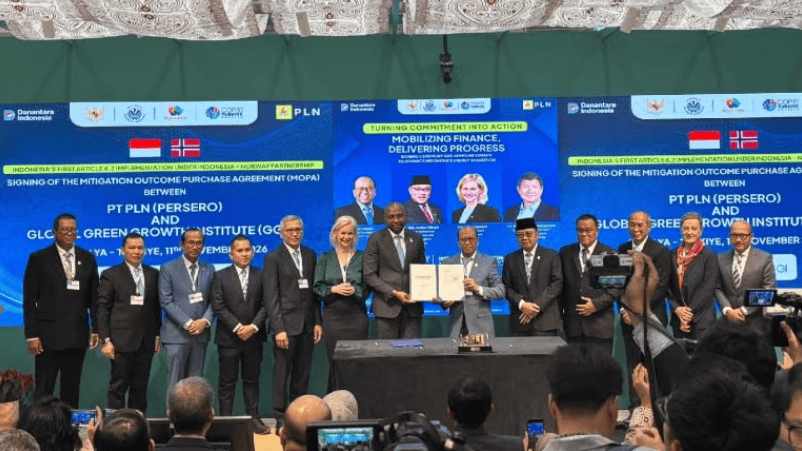
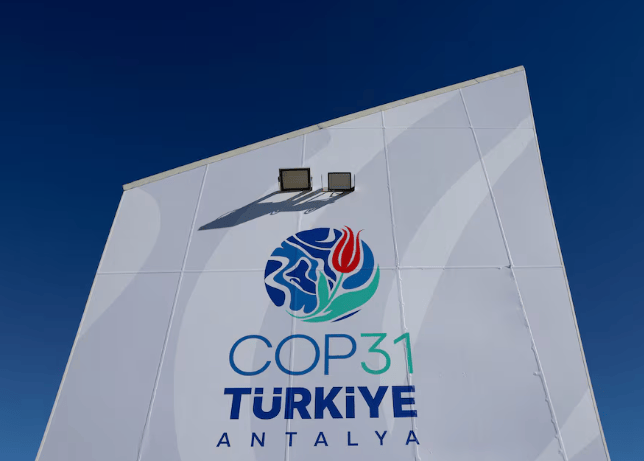
en.Wedoany.com Reported - On November 13, the first week of negotiations at the 31st Conference of the Parties to the United Nations Framework Convention on Climate Change (COP31) concluded in Antalya, Turkey, with the future use of oil, natural gas and coal emerging as the focal point of disagreement among parties. Some major fossil fuel producing countries and developing economies opposed the inclusion of explicit emission reduction targets and fuel-specific phase-out requirements in the conference's final agreement. The Australian delegation, which is presiding over the negotiations, is soliciting views from all countries and plans to produce the first draft political agreement early next week.
Turkey proposed making expanded electrification a key element of the conference's final agreement, advancing the energy transition by increasing the share of electricity in transport, building heating and other end-use energy consumption. The proposal does not yet require that additional electricity consumption come from renewable sources. Countries including Brazil advocated for a further fossil fuel transition roadmap that clearly defines implementation pathways for countries to reduce oil, natural gas and coal use.
Katrine Petersen, a negotiations observer from the environmental organization E3G, said that negotiating parties including India and the Group of 77 opposed setting clearly binding targets and did not support uniform requirements targeting specific energy technologies or fuel types. Major oil and gas producers such as Saudi Arabia and Russia have long opposed wording that restricts fossil fuel use. As of Reuters' report on November 13, representatives of India, Saudi Arabia and Russia had not yet responded immediately regarding their positions in this round of negotiations.
Diana Acconcia, head of the European Union delegation, expressed support for the overall goal of expanded electrification and emphasized that the EU advocates meeting additional electricity demand through clean energy. This EU position differs from Turkey's proposed electrification framework in terms of specific implementation conditions.
The Australian negotiating team is gathering countries' views on the text of the final political agreement during the first week of the conference, with the collection work continuing until the evening of November 14. Australia plans to present a preliminary draft in the week beginning November 16, and will then continue to push member states to hold consultations on fossil fuel transition, electrification and related policy arrangements.
United Nations Secretary-General António Guterres on November 13 called on countries during the conference to rapidly and substantially cut greenhouse gas emissions and to limit global warming to within the 1.5 degrees Celsius target set by the Paris Agreement. Research previously published by the United Nations indicated that current global climate action is still insufficient to achieve that temperature control target.
Related Products
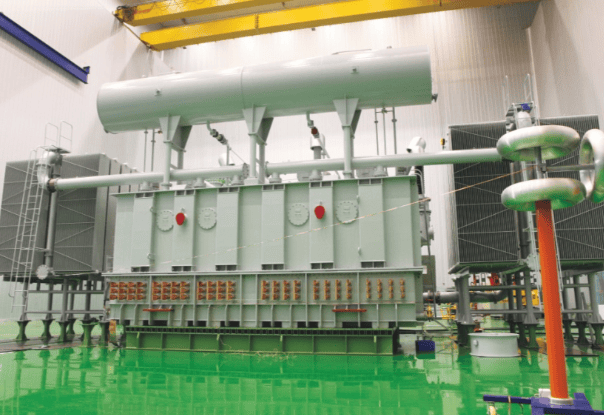

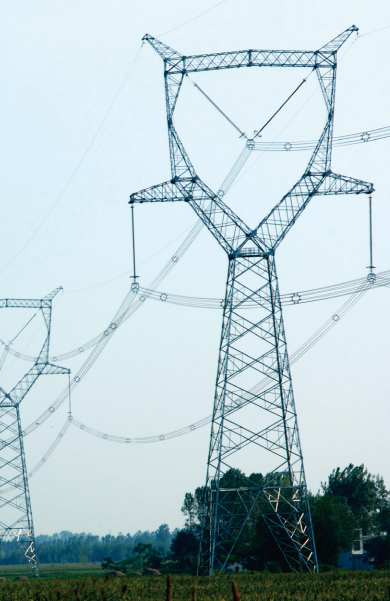
1000kV Jin Southeast-Nanyang-Jingmen UHV AC Transmission and Transformation Pilot Demonstration Project
Anhui Hongyuan Steel Tower Co., Ltd.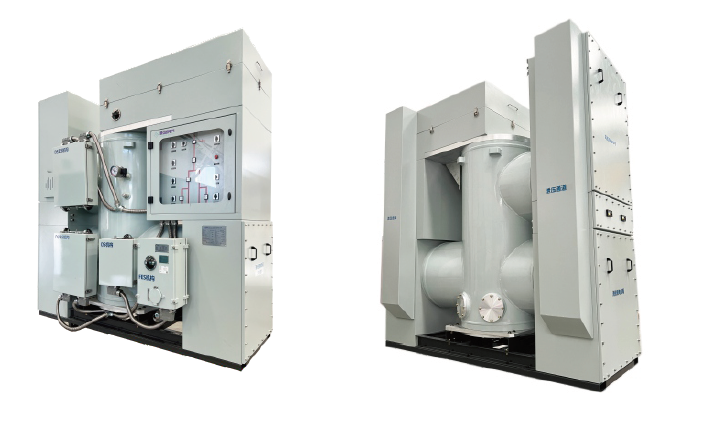
72.5kV 1250A 31.5kA SF6 free Gas-insulated Metal-enclosed Switchgear
Zhejiang Juhonkia Intelligent Electric Co., Ltd.
CITIC Heavy Industries Offshore Wind Power Equipment Hydraulic Pile Hammer
CITIC Heavy Industries Co., Ltd.
220kV Composite Outdoor Cable Terminal
Shenyang Guolian Cable Accessories Manufacture Co., Ltd.

Pneumatic high-pressure wear-resistant ball valve
Zhejiang Deca Control Valve Meter Co., Ltd.
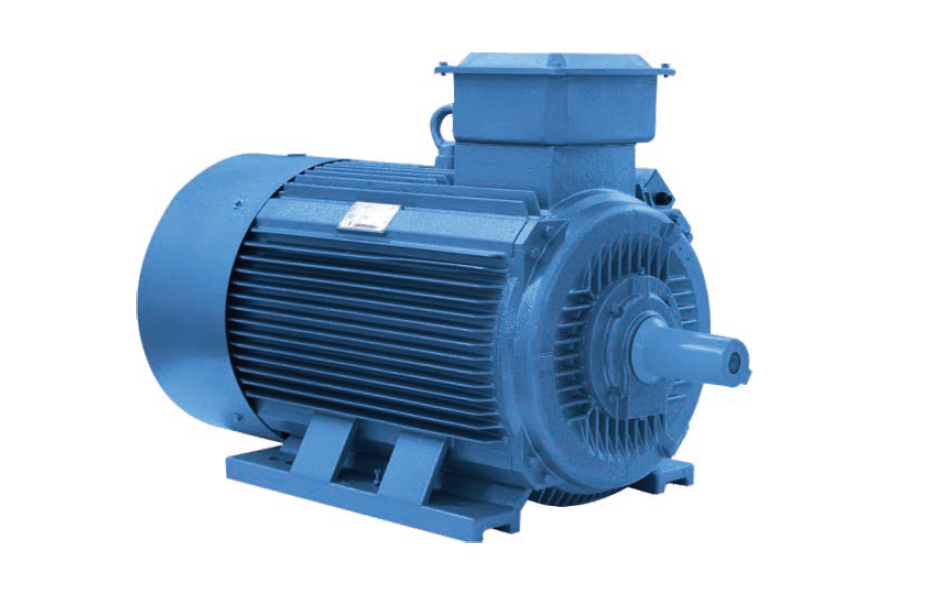
TYC Series High-Efficiency Permanent Magnet Synchronous Motor
Xiangdian Smart Energy Technology Co., Ltd.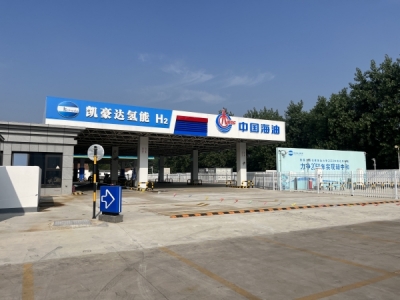
Hydrogen production and hydrogenation charging refueling gas integrated energy station
Shenzhen Kohodo Hydrogen Energy Co., Ltd.