Wedoany.com Report-Aug. 25, Norwegian energy company Equinor has decided to withdraw from the Novocastrian floating wind farm project off the coast of New South Wales. The project, with an estimated investment of $10 billion, had been considered the state’s most advanced offshore wind initiative.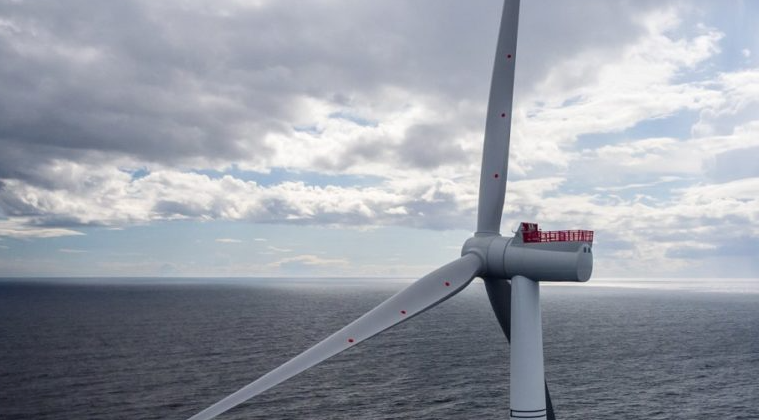
Equinor had already secured a feasibility license from Australian authorities for the 2GW development but has chosen not to proceed. The project was planned to be located about 20 kilometers offshore from Newcastle and Port Stephens, covering a license area of 500 square kilometers with floating wind turbine deployment.
The Novocastrian wind farm had been expected to play a significant role in Australia’s renewable energy ambitions. Equinor’s exit marks another change in its Australian portfolio, following the company’s earlier withdrawal in July from a planned offshore wind project in the Bass Strait.
Developers of the Novocastrian project stated that the decision reflects broader challenges facing the offshore wind industry. They emphasized that despite Equinor’s withdrawal, efforts to advance offshore wind in the Hunter region would continue. The developers said: “We will continue to work with all to investigate how we can make offshore wind in the Hunter progress and create huge jobs and investment for the region. While we are not progressing with this feasibility licence, we believe Australia continues to have a significant role to play in the global energy transition.”
The withdrawal is seen as a setback for Australia’s offshore wind sector, which has been aiming to attract large-scale investment to support renewable energy development. Equinor’s involvement had been expected to add international expertise and financial capacity to the local market.
Industry observers note that offshore wind projects in Australia face hurdles including regulatory complexity, high initial investment costs, and evolving market conditions. These challenges have influenced the progress of several projects, even those considered advanced in planning stages.
Despite Equinor’s exit, the Novocastrian initiative is expected to seek alternative paths forward. The project’s scale and location highlight its potential for regional economic benefits, particularly in job creation and infrastructure investment. Developers remain committed to collaborating with industry stakeholders and government agencies to find solutions that allow the project to move ahead.
The decision underscores the balance between global energy companies’ investment strategies and the specific conditions of local markets. Equinor continues to focus on renewable energy internationally, while reassessing its commitments in certain regions.
For Australia, the development emphasizes the importance of building a supportive environment for offshore wind projects, ensuring long-term investment confidence and advancing its role in the global shift toward renewable energy.