US Health Agency Unveils Weight-Loss Drug Coverage Model
Wedoany.com Report-Dec.24, The U.S. Centers for Medicare and Medicaid Services announced a voluntary program on December 23, 2025, to provide coverage for GLP-1 medications used in weight management and diabetes treatment through Medicaid and Medicare Part D plans. This initiative follows a November agreement involving U.S. President Donald Trump, Eli Lilly, and Novo Nordisk to reduce prices of these therapies.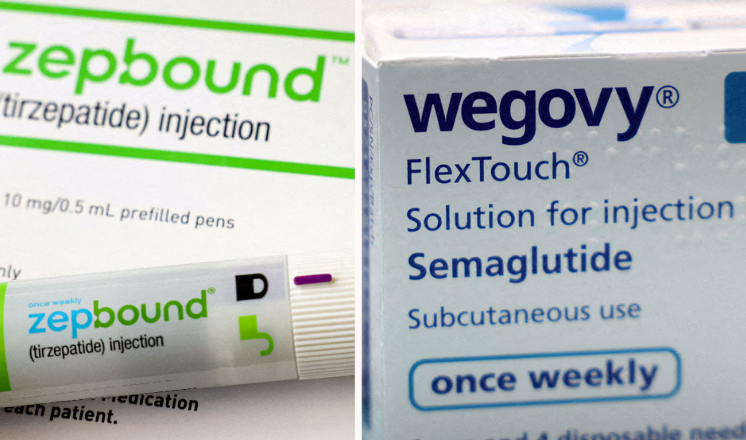
The program, known as the BALANCE initiative, is set to begin for Medicaid as early as May 2026 and for Medicare in January 2027. It establishes uniform coverage guidelines by negotiating fixed net prices directly, which may include limits on patient out-of-pocket expenses and integrated support for evidence-based lifestyle programs.
Under the plan, qualifying Medicare participants will pay $50 for a one-month supply of GLP-1 drugs, encompassing injectable options for obesity such as Novo Nordisk's Wegovy and Eli Lilly's Zepbound.
To facilitate a smoother transition, CMS will introduce a Medicare GLP-1 payment demonstration starting in July 2026, enabling beneficiaries to obtain these medications at prices arranged by the administration.
The program "aims to increase access to select GLP-1 medications and support for healthy lifestyle choices", said CMS administrator Mehmet Oz in a post on X.
Participation remains optional for drug manufacturers, state governments, and insurance plans, according to the agency.
The November agreement outlined reduced pricing for upcoming oral weight-loss formulations from Lilly and Novo, setting a $149 monthly cost for starter doses supplied to Medicare, Medicaid, and cash-paying individuals. Novo Nordisk's oral obesity pill received regulatory approval on December 22, 2025, while Eli Lilly's candidate continues under evaluation.
For existing injectable GLP-1 treatments approved for diabetes and related conditions, the pact establishes a $245 per month price for patients enrolled in Medicare and Medicaid programs.
This development seeks to enhance availability of effective therapies while addressing cost considerations for enrollees. By incorporating lifestyle elements, the initiative promotes comprehensive approaches to health management.
CMS emphasized that the BALANCE model builds on collaborative efforts to ensure sustainable access, with negotiations focusing on equitable terms for all involved parties.
The short-term demonstration phase aims to provide immediate benefits, allowing time for full implementation of the broader framework.
Overall, these measures reflect ongoing adjustments in healthcare coverage to accommodate advancements in pharmaceutical options for chronic conditions.