
| Notice Type | Tender Announcement |
|---|---|
| Notice Number | B/SM 82/26 |
| Description |
Project Name: Sewer Pipeline and Fittings Upgrade Project for Lavanda, Aurora, and Filaria Apartments Procuring Entity: Stellenbosch Municipality Project Location: Stellenbosch, Western Cape, South Africa Scope of Works: Includes demolition of existing cast iron sewer pipes, replacement with 110mm uPVC pipes, reconnection of apartment sewer connections, installation of access hatch covers, repair of rainwater systems, and related civil, concrete, waterproofing, and painting restoration works. Specifically includes 456 toilet connections, 1003 meters of wall chasing, 108 meters of concrete slab cutting, etc. Demolition and Civil Works Demolition and Connection of Toilets and Sanitary Fittings Quantity: Total of 456 points. Specific Details: Requires demolition of existing cast iron or old-style sewer pipe connections to toilets installed in apartment bathrooms. This includes removal of old sealing rings, flanges, and any damaged pipe sections. Work must be conducted without affecting downstairs residents, with temporary sealing measures to prevent odor and pollutant spread. Wall and Slab Chasing Quantity: Total of 108 meters of slab cutting and 1003 meters of wall chasing. Specific Details (Concrete Slab Cutting): Requires precise cutting in 230mm thick reinforced concrete slabs to create 500mm wide channels. The purpose is to expose existing cast iron sewer drainage pipes hidden within service shafts for subsequent demolition and replacement. Cutting must use vibration-free core drilling or wall sawing technology to prevent slab structural damage and crack propagation. Specific Details (Wall Chasing): Requires chasing in existing 230mm thick brick walls. The purpose is to open old brick inspection ports to form stable working openings and embed new pipes within the walls. After chasing, a "toothing" process must be performed at junctions, i.e., chiseling the old wall into an uneven, toothed shape at the connection with the new wall to ensure subsequent new brickwork interlocks perfectly with the old wall, preventing cracking. Core Pipeline Installation Works Material Specifications and Standards Main Drainage Pipes: All newly installed sewer pipes must use 110mm diameter solid-wall uPVC drainage pipes. Pipes and fittings must comply with relevant South African National Standards (SANS) requirements. Connection Method: Pipe joints shall use solvent cement welding to ensure completely sealed, permanently leak-proof joints. All elbows, tees, and other fittings must match the main pipe material. Fixings and Supports: Within service shafts, vertical pipes require installation of dedicated pipe supports to prevent sinking or displacement due to self-weight and sewage impact. Specific fixing methods must refer to drawing 240012-C-TSPCD-A requirements. Core Installation Works Quantity: Total of 456 connection points (corresponding to toilet demolition quantity). Specific Details: Inside the original service shafts, completely remove old DN100 cast iron pipes. Then, lay new uPVC pipes according to design gradients. Construction personnel must precisely connect various vertical and horizontal sewer branch pipes from each apartment (including fecal sewage and greywater) to the newly installed 110mm main risers. All connection points must ensure sealing integrity. After connection, pressure testing and ball-passing tests must be conducted on the entire system to ensure no leakage, smooth flow, and final compliance with discharge standards into the municipal network. Service Shaft Standardization Renovation Manufacture and Installation of Inspection Hatch Covers Quantity: Total of 350 sets. Specific Details: According to drawing Material and Workmanship: Covers are made of galvanized mild steel and welded into a grid form. This design ensures sufficient strength to prevent people or objects from falling through while providing ventilation to prevent moisture accumulation in the shaft. Functional Requirements: Covers must precisely match the opening size of each shaft and be equipped with lockable safety devices to prevent unauthorized opening and accidental falls by children. Cover surfaces require anti-corrosion treatment to suit humid environments and ensure long-term durability. Concrete, Formwork, and Reinforcement Works Concrete Pouring Quantity: Total of 6 cubic meters. Specific Details: Pour ready-mix concrete with 30 MPa strength and 19mm aggregate size. Mainly used for filling areas around excavated slab voids, re-casting damaged pipe supports, and reinforcing structural columns at wall-chased locations. Concrete must be mixed strictly according to the ratio and adequately cured after pouring to achieve design strength. Formwork Quantity: Total of 27 square meters. Specific Details: Erect temporary formwork for concrete pouring areas. This includes slab bottom and side forms to ensure concrete has the correct shape and dimensions during curing and maintains a smooth surface. Formwork must be securely supported to prevent "formwork movement" or "bulging." Reinforcement Works Quantity: 216 dowel bars and 0.11 tons of steel. Specific Details (Dowel Bars): In areas requiring connection between old and new concrete, holes must be drilled and 300mm long, 12mm diameter Y12 deformed steel bars anchored using HIT-HY 200-A V3 epoxy resin. This is a key technology to ensure collaborative work between old and new structures. Specific Details (Rebar Tying): In areas requiring strengthening, such as newly poured concrete beams or slabs, high-strength tensile reinforcement bars must be tied. The spacing, specifications, and anchorage length of all rebars must comply with the structural engineer's design drawings. Construction Joint and Control Joint Treatment Quantity: Total of 108 meters of saw-cut joints. Specific Details: After concrete final set, 3mm wide, 50mm deep saw cuts must be made on its surface. This is an "induced joint" used to control the location of cracks caused by temperature and shrinkage stresses in the concrete, preventing irregular cracking and ensuring structural aesthetics and durability. Waterproofing and Sealing Works Roof Waterproofing Quantity: Total of 36 locations. Specific Details: Due to adding or replacing roof vent pipes, 500x500mm holes need to be opened on the roof. After pipe installation is completed, professional waterproofing companies must carry out construction to re-lay waterproofing membranes or coatings matching the original roof material. The waterproofing layer must extend up at least 250mm along the pipe base and be secured with metal clamping strips to ensure rainwater does not seep into the building interior from the pipe base. The entire waterproofing system must come with a ten-year quality guarantee. Wall Damp-proofing Quantity: Total of 31 square meters. Specific Details: In wall repair or new construction sections, a 375-micron thick "Gundle Brikgrip Blue" embossed damp-proof course must be laid. This membrane is placed at the bottom of brick walls or areas requiring damp-proofing to cut off capillary water rise paths from soil or substructures, preventing walls from mold and powdering due to long-term dampness. Joint Sealing Quantity: Corresponding to 108 meters of concrete saw-cut joints. Specific Details: In the saw-cut joints on the concrete surface, two-component grey polysulfide sealant must be applied. Before application, backing material (such as foam rod) must be inserted into the joint and primer applied to ensure good adhesion of the sealant to the concrete and accommodate minor thermal expansion and contraction. Finishing Restoration and Painting Works Plastering Restoration Quantity: 111 square meters of wall plastering and 27 square meters of floor leveling. Specific Details: Re-plaster chased walls to restore flatness. Plaster layer thickness is approximately 30mm, requiring finishing with a steel trowel to ensure a smooth, hollow-free surface. For damaged concrete floors, repair the leveling screed with cement mortar. Masonry Restoration Quantity: 231 square meters. Specific Details: At chased wall openings, use bricks to rebuild and seal. New masonry walls must be firmly connected to old walls through "toothing" and "dowel bars." During construction, reinforcement mesh or "brick ties" must be placed every 4 courses to enhance the wall's overall stability. This item is marked as "rate only" in the bill, meaning the actual quantity may be adjusted based on site conditions, but the unit rate is fixed. Painting Works Quantity: 240 square meters of exterior walls. Specific Details: Surface Preparation: All walls to be painted, whether new or old, must first be thoroughly cleaned with a high-pressure water jet to remove dust, grease, and peeling old paint. Repair: For defects such as nail holes and cracks, suitable filler must be used to level and sand smooth. Painting Process: For newly plastered walls: Apply one coat of alkali-resistant sealer primer to prevent efflorescence causing topcoat discoloration, followed by two coats of exterior paint matching the surrounding environment. For existing old walls: After cleaning and repair, repainting must also follow the "one primer, two topcoats" process to ensure consistent color between new and old walls and overall aesthetics. Tender Submission Method: Form: Must use officially provided paper tender documents, submitted in sealed envelopes clearly marked with the tender number and project name. Location: Deliver to the tender box at Stellenbosch Municipal Hall Complex Building (available 24 hours). Prohibited: Electronic versions, email, telephone, or fax submissions are not accepted. Key Personnel Requirements: Site Agent: Must hold a relevant National Diploma in the Built Environment recognized by the South African Qualifications Authority and have 3 years of experience in similar projects. Construction Foreman: Must have 3 years of experience in similar projects. Health and Safety Officer: Must be a registered member of SACPCMP or SAIOSH. Central Supplier Database: Must be registered on the Central Supplier Database before tendering (CSD number). Tax Compliance: Must provide a valid Tax Compliance Status PIN from the South African Revenue Service. Municipal Accounts: Must declare that the enterprise and its directors/members have no outstanding municipal accounts for more than 3 months at any municipality. Contract Terms: The contract will use the JBCC Principal Building Agreement (June 2018, Edition 6.2), governed by South African law, with dispute resolution including mediation and arbitration. Assignment of the contract is prohibited during performance, and a performance guarantee is required. |
| Documents |  Attachment.pdf (4.42 M) Attachment.pdf (4.42 M) |
Expired Tender Invitation for Sewer Pipeline and Fittings Upgrade Project in Stellenbosch, South Africa
| Organization | Stellenbosch Municipality | Country | South Africa |
|---|---|---|---|
| Contact | Thabisa Manyingiza | Tel. | View more |
| View more | Address | Plein Street, Stellenbosch | |
| Release Date | 2026-03-10 | Validity | 2026-03-30 |
Details
The tender information on this website is provided for reference only. If you intend to bid, please verify the authenticity and accuracy of the information with the tendering party. Our company reserves the right to adjust website content at any time and assumes no direct or indirect liability for it.Email: news@wedoany.com
Related Tenders
Related Products
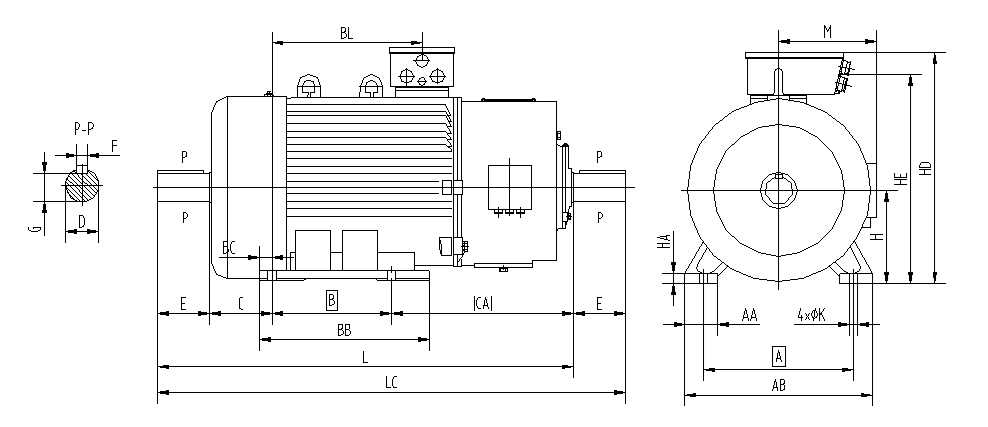
YZR (450-560) Series Wound Rotor Three-Phase Asynchronous Motors for Crane and Metallurgical Applications
Negotiable
Steel Structure
Negotiable /ton
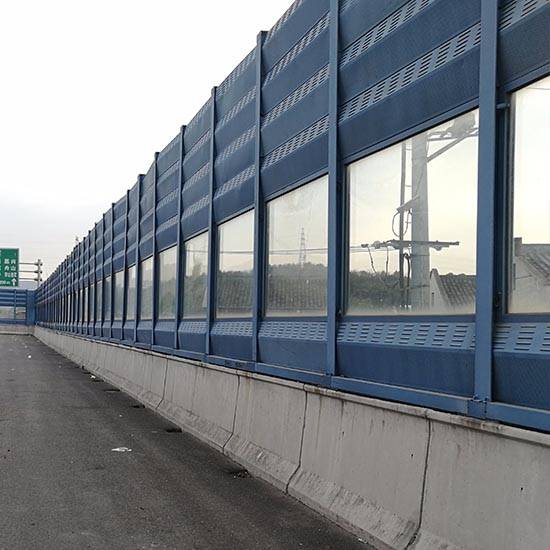
Metal sound barriers that can reduce the transmission of road noise
Negotiable /Square meters
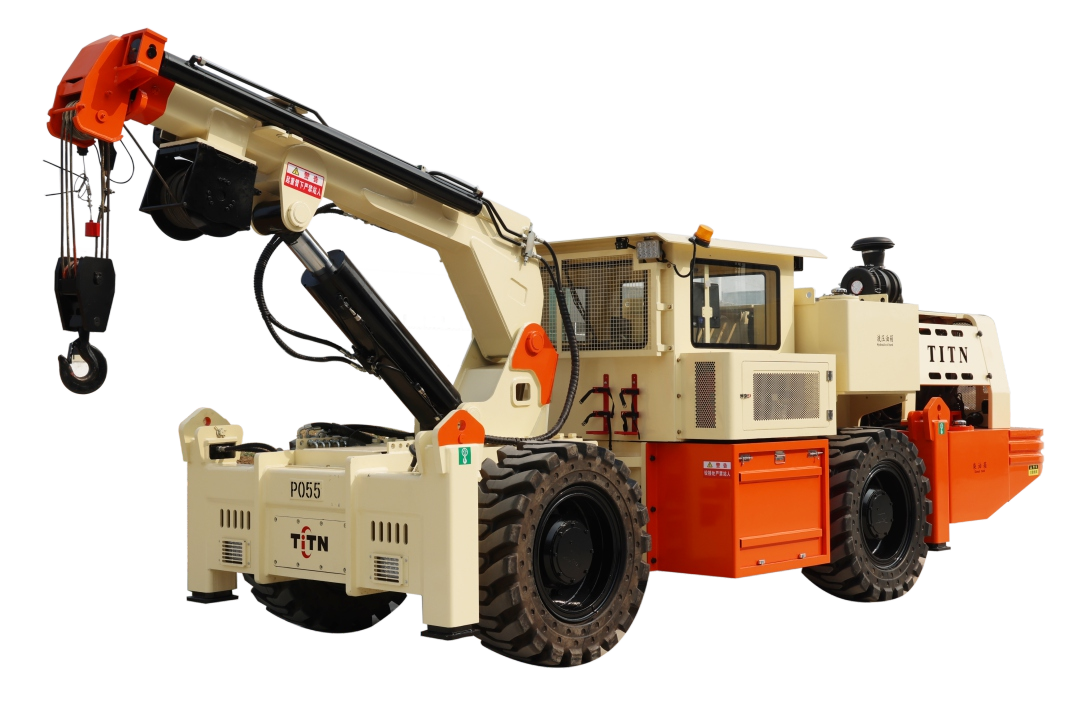
FQ-9000 Underground Crane
Negotiable
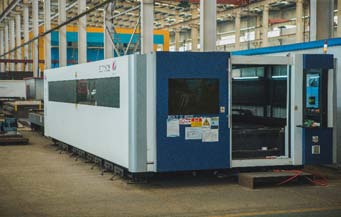
CNC Fiber Laser Cutting Machine
Negotiable

West China Xiamen Hospital of Sichuan University
Negotiable

Ultra-Pure Ferrite Stainless Steel Products
Negotiable
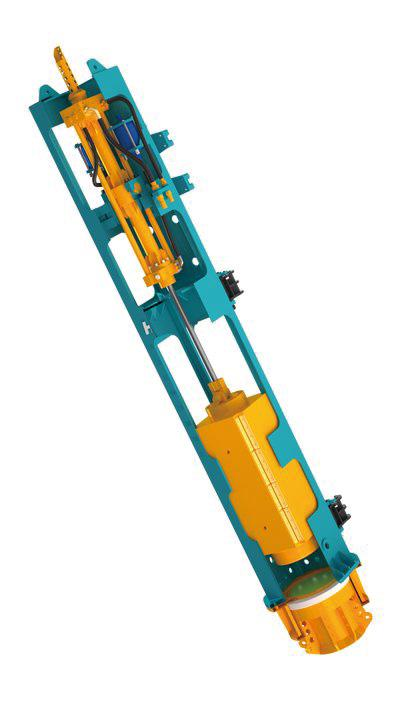
Hydraulic Pile Hammer Series
Negotiable

Bus Facial Payment All-in-One Machine
Negotiable
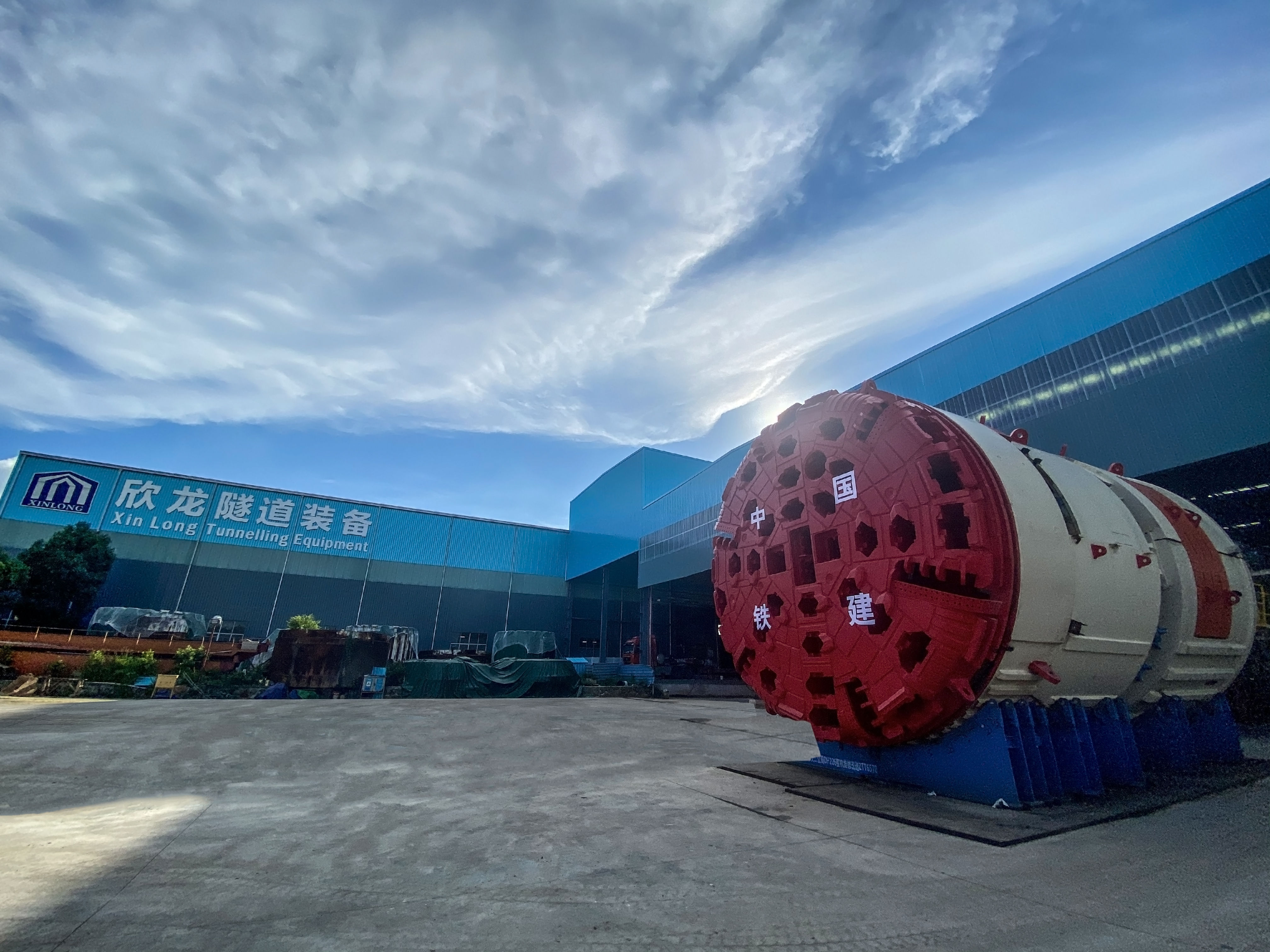
Shield Machine Remanufacturing DH226
Negotiable
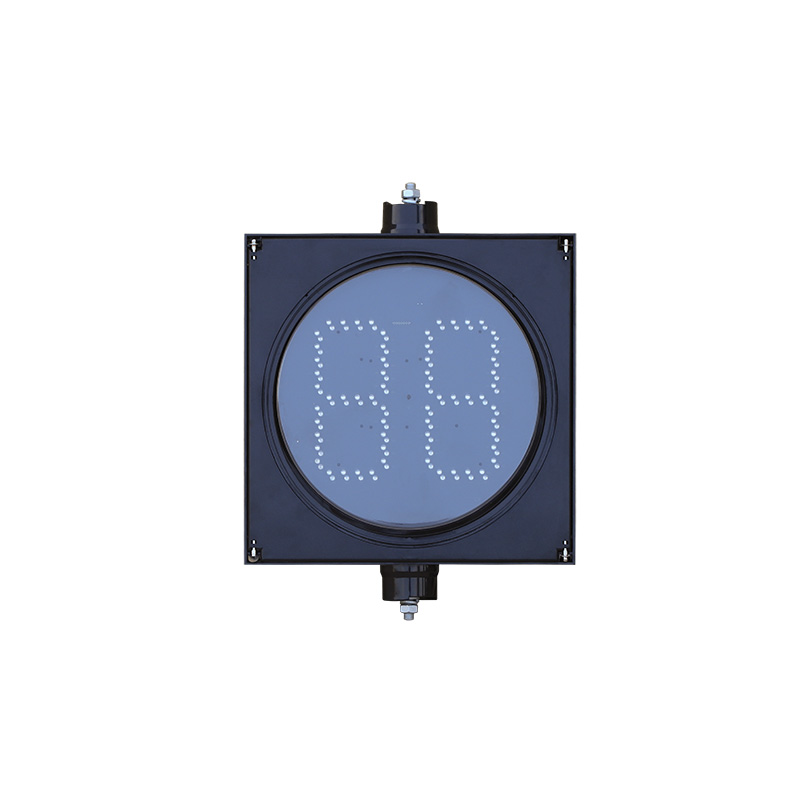
300mm Segment Type Countdown Traffic Light (Core Type)
Negotiable
Pinming CCBIM
Negotiable