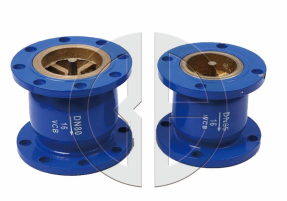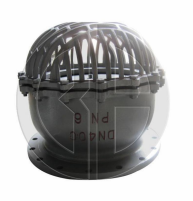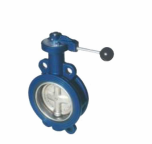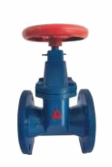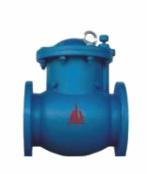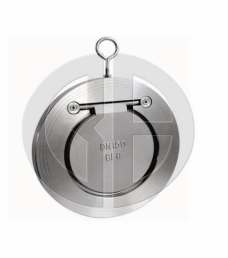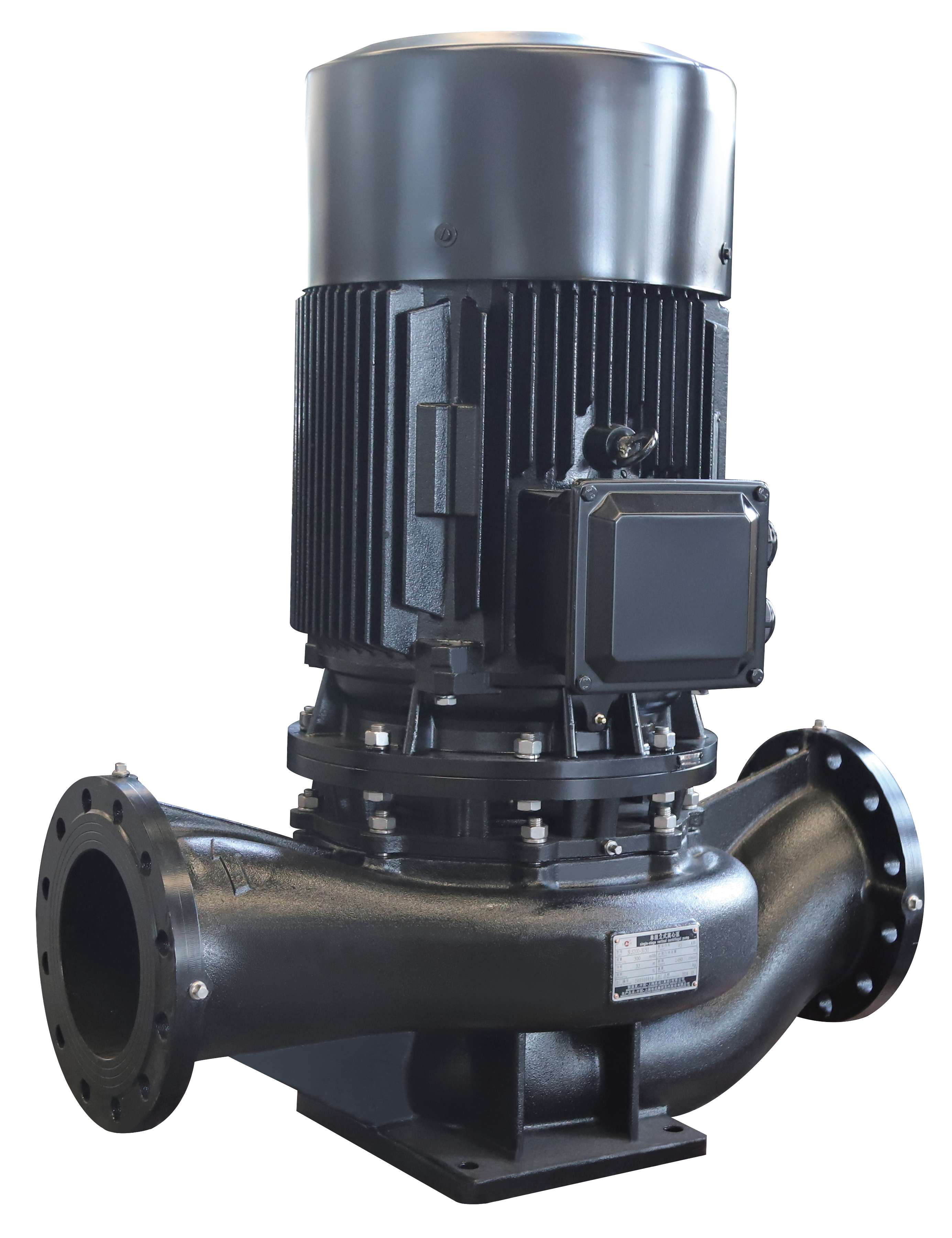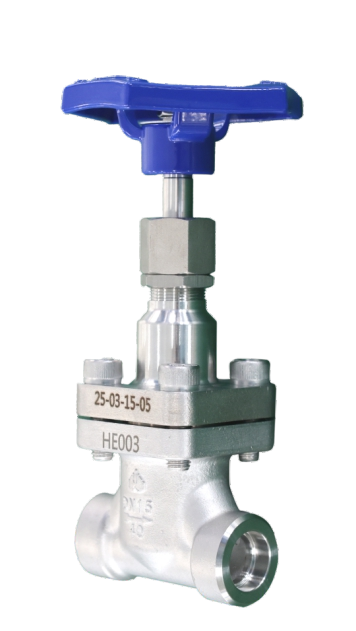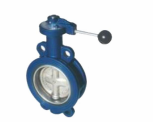


- Stainless steel valves are made from stainless steel raw materials. They are typically used in situations where the working medium has a certain degree of corrosiveness. As control components in pipeline fluid conveying systems, they are used to change the cross-section of the passage and the flow direction of the medium. They have functions such as diversion, shut-off, regulation, throttling, check, flow division, or overflow pressure relief.
- They are widely used in chemical, petrochemical, petroleum, papermaking, mining, power, liquefied gas, food, pharmaceuticals, water supply and drainage, municipal services, and mechanical equipment supporting applications.
Features
- Stainless steel valves are made from stainless steel 304 raw material. Compared to ordinary valves, this series of valves offers high quality, strong corrosion resistance, and is not prone to rusting. Therefore, many geothermal engineering pipelines buried underground generally use stainless steel valves, ensuring quality.
- Made of stainless steel, it has excellent corrosion resistance; rubber sealing provides good water shut-off performance and strong adaptability to varying pipeline depths.
- Using stainless steel valves can also ensure the cleanliness and purity of water resources, preventing contamination.
- Using stainless steel valves can reduce the number of welding points on pipelines, saving materials.
- Stainless steel ball valves have a wide range of applications, with bore diameters ranging from a few millimeters to several meters, and can be used from high vacuum to high pressure.