
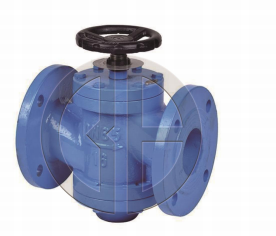

- Precise Flow Regulation: The valve body is designed with a flow measurement interface, which, when used in conjunction with dedicated smart instruments or ordinary differential pressure gauges, allows for accurate measurement of the actual flow through the valve. Based on this measurement, adjustments can be made to ensure the flow distribution complies with design requirements.
- Linear Flow Characteristic: High-quality balancing valves feature a flow characteristic that is close to linear, meaning the relationship between valve opening and flow rate is approximately proportional. This makes regulation intuitive and convenient.
- Excellent Regulation Performance: The valve flow path is rationally designed, offering high adjustment sensitivity. Performance remains stable even at small openings, minimizing the risk of sticking or jamming.
- Shut-off Function: Balancing valves possess a shut-off capability. While regulating flow, they can also function as isolation valves to cut off media flow, facilitating system maintenance.
- Display and Locking Function: The valve stem is typically equipped with an opening indicator dial to show the current valve position. Most products also include a locking device. Once adjustment is complete, the opening can be locked to prevent unauthorized or accidental operation by non-specialized personnel.
- Low Energy Consumption: Optimally designed balancing valves have a relatively low flow resistance coefficient, contributing to reduced energy consumption for pump operation.
Applications
Balancing valves are primarily used to address the widespread issue of hydraulic imbalance in heating (cooling) piping systems. Their core applications include:
- System Hydraulic Balancing: In heating or air-conditioning water systems, by adjusting the balancing valves installed on the return pipelines of various branches or terminal equipment (such as radiators, air handling units), the actual system flow can be aligned with the design flow. This helps avoid issues like overheating (overcooling) at near points and insufficient heating (cooling) at remote points.
- Quantitative Flow Regulation: Enables precise setting and distribution of pipeline flow according to design specifications.
- System Diagnostics: By measuring the differential pressure across the valve, the system's operational status can be analyzed to diagnose potential blockages or abnormalities in the pipeline.
Energy Saving and Consumption Reduction: After achieving hydraulic balance, the head and flow redundancy of pumps can be effectively reduced, lowering electrical energy consumption. Simultaneously, the thermal efficiency of the entire system is improved, achieving energy-saving objectives.
