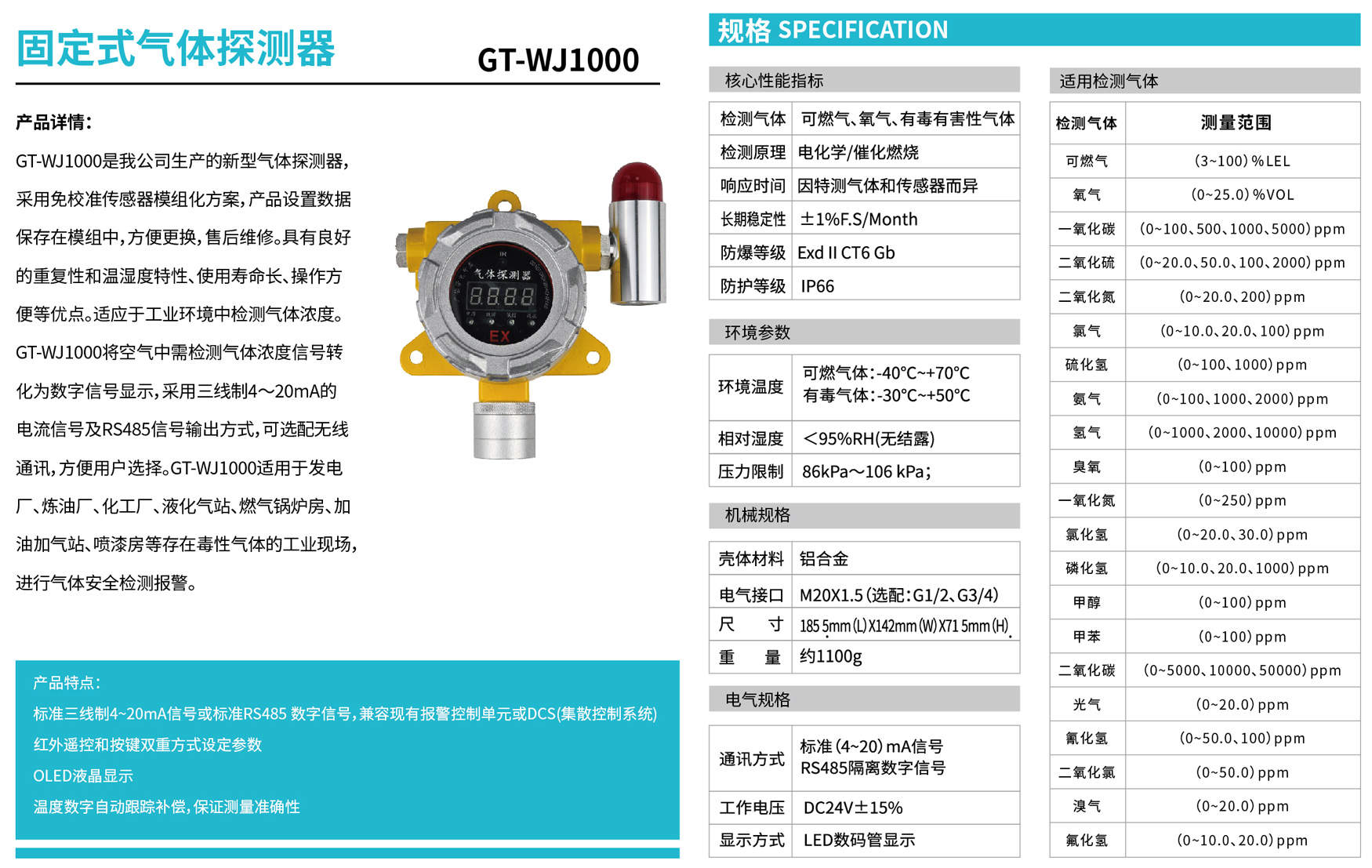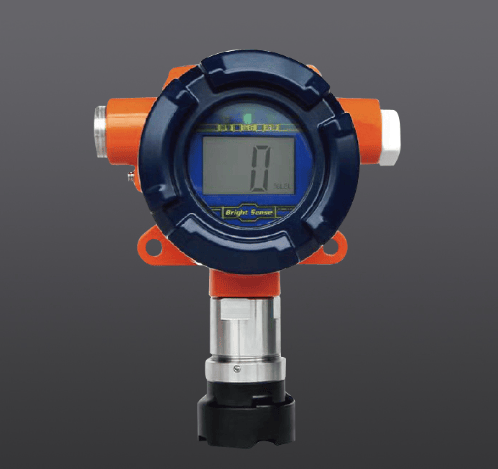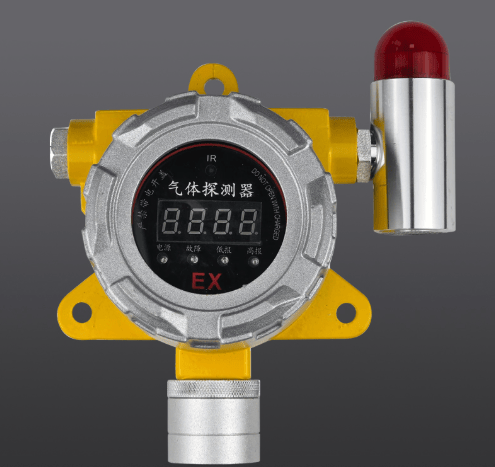


Product Model: GT-WJ1000
Product Category: Fixed Gas Detector / Industrial Combustible Gas and Toxic Gas Detector
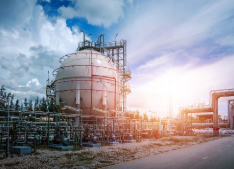
Applicable Industries: Petrochemical, Power Energy, Gas Engineering, Metallurgy, Pharmaceutical, Environmental Protection Engineering, Hazardous Chemical Storage, etc.
I. Product Overview
GT-WJ1000 Fixed Gas Detector is a new generation industrial online gas safety monitoring equipment, suitable for continuous detection and alarm of combustible gases, oxygen, and various toxic and harmful gases. The product adopts a modular calibration-free sensor scheme, with detection data stored in the sensor module, facilitating quick replacement and after-sales maintenance. It has good repeatability and temperature-humidity adaptability, with stable and reliable long-term operation.
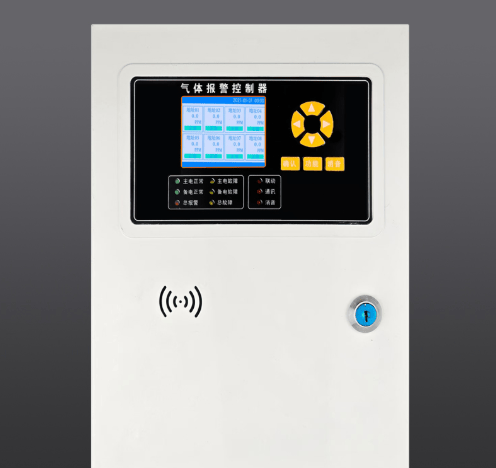
The equipment can convert the target gas concentration in the air into a digital signal for display, and supports 4–20mA analog output + RS485 digital communication. It can be connected to industrial control systems such as DCS, PLC, and alarm controllers to achieve online gas concentration monitoring, linkage alarm, and safety control. It is widely used in industrial sites such as power plants, refineries, chemical plants, liquefied gas stations, gas boiler rooms, gas filling stations, and painting workshops.
II. Product Core Advantages
Supports 4–20mA analog + RS485 digital signal dual output, convenient for DCS/PLC access
Modular sensor design, calibration-free replacement, low maintenance cost
Infrared remote control + local button dual operation mode, convenient parameter setting
OLED LCD display, clear and intuitive on-site reading
Built-in temperature digital compensation to ensure measurement accuracy under complex working conditions
Ex d IIC T6 Gb explosion-proof rating, suitable for hazardous areas
IP66 protection rating, suitable for harsh environments such as dust and humidity
III. Detectable Gas Types and Ranges
Supports detection of various common industrial combustible and toxic harmful gases. Typical ranges are as follows (customizable per project):
Combustible Gas Category
Combustible Gas: 3~100 %LEL
Hydrogen: 0~25 %VOL
Common Toxic Gases
Carbon Monoxide (CO): 0~100 / 500 / 1000 / 5000 ppm
Sulfur Dioxide (SO₂): 0~20 / 50 / 100 / 2000 ppm
Nitric Oxide (NO): 0~20 / 200 ppm
Ammonia (NH₃): 0~10 / 20 / 100 ppm
Hydrogen Sulfide (H₂S): 0~100 / 1000 ppm
Chlorine (Cl₂): 0~10 / 20 ppm
Ozone (O₃): 0~100 ppm
Phosgene (COCl₂): 0~20 ppm
Methanol, Toluene, Phosphine, Hydrogen Fluoride, Nitrogen Dioxide, Nitrogen, etc., multiple gases optional
✔ Supports multi-gas and multi-range customization and selection per project requirements
IV. Technical Parameters
1. Core Performance Indicators
Detection Principle: Electrochemical / Catalytic Combustion
Detectable Gas: Combustible Gas, Oxygen, Toxic and Harmful Gas
Response Time: Related to sensor type and gas type
Long-term Stability: ±1% F.S / Month
Explosion-proof Rating: Ex d IIC T6 Gb
Protection Rating: IP66
2. Environmental Adaptability
Ambient Temperature:
Combustible Gas: -40℃ ~ +70℃
Toxic Gas: -30℃ ~ +50℃
Relative Humidity: <95% RH (no condensation)
Working Pressure: 86 kPa ~ 106 kPa
3. Mechanical Structure Parameters
Housing Material: Aluminum Alloy
Electrical Interface: M20×1.5 (optional G1/2, G3/4)
Dimensions: 185 × 142 × 71 mm
Weight: Approximately 1100 g
4. Electrical and Communication Parameters
Output Signal: 4–20 mA Analog / RS485 Isolated Digital Signal
Working Voltage: DC 24V ±15%
Display Method: LED Digital Tube Display
V. Typical Application Scenarios
Combustible Gas and Hydrogen Leak Monitoring in Power Plants
Online Detection of VOCs and Toxic Gases in Petroleum Refineries
Safety Monitoring in Chemical Plant Reaction Areas and Tank Areas
Gas Leak Warning in Liquefied Gas Stations and Gas Boiler Rooms
Safety Monitoring in Explosion-proof Areas of Gas Stations / Filling Stations
Organic Solvent Volatilization Monitoring in Painting Workshops
VOCs Emission Monitoring in Environmental Protection Projects
VI. Installation and System Integration
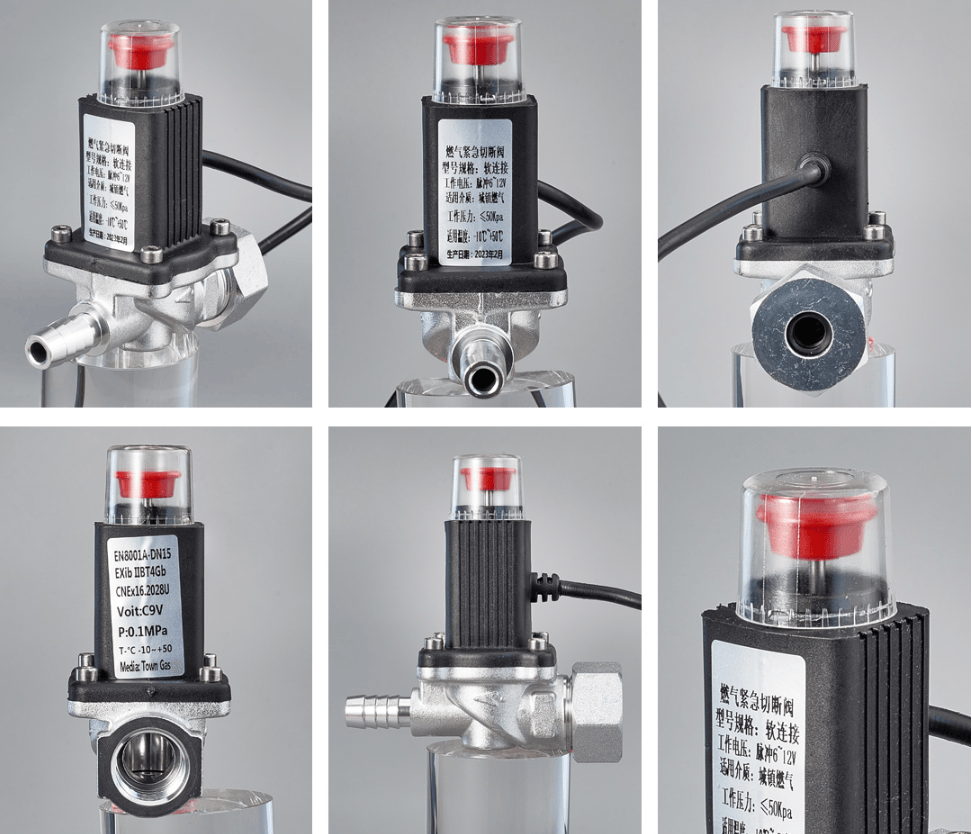
GT-WJ1000 supports wall-mounted or bracket installation. It can operate independently or be connected to the existing DCS / PLC / security linkage system of the enterprise. Real-time data collection is achieved through 4–20mA signals, and multi-point networking centralized monitoring is achieved through RS485, suitable for building a complete distributed industrial gas safety monitoring system.