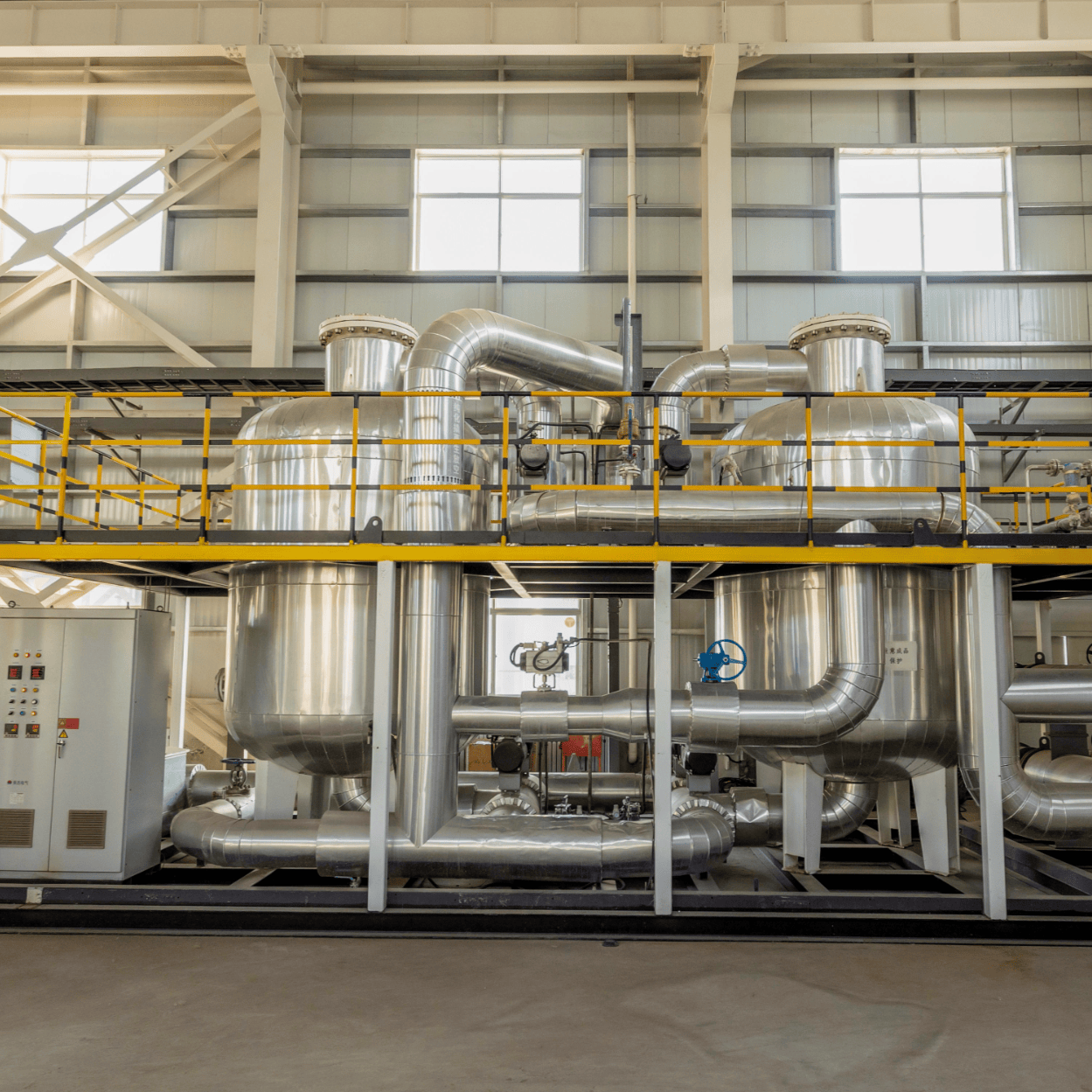
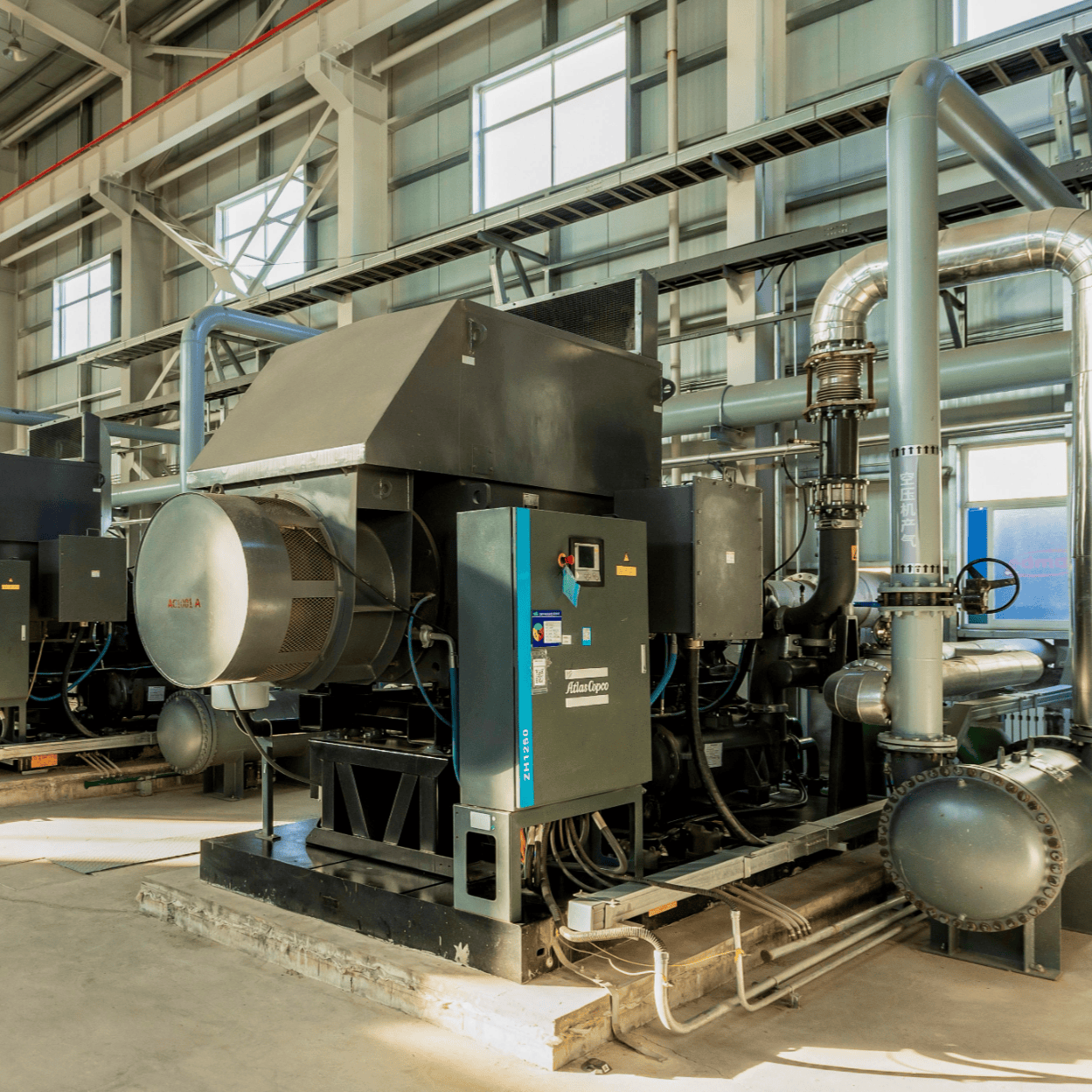


Cryogenic Liquid Nitrogen Plant – Brief Overview
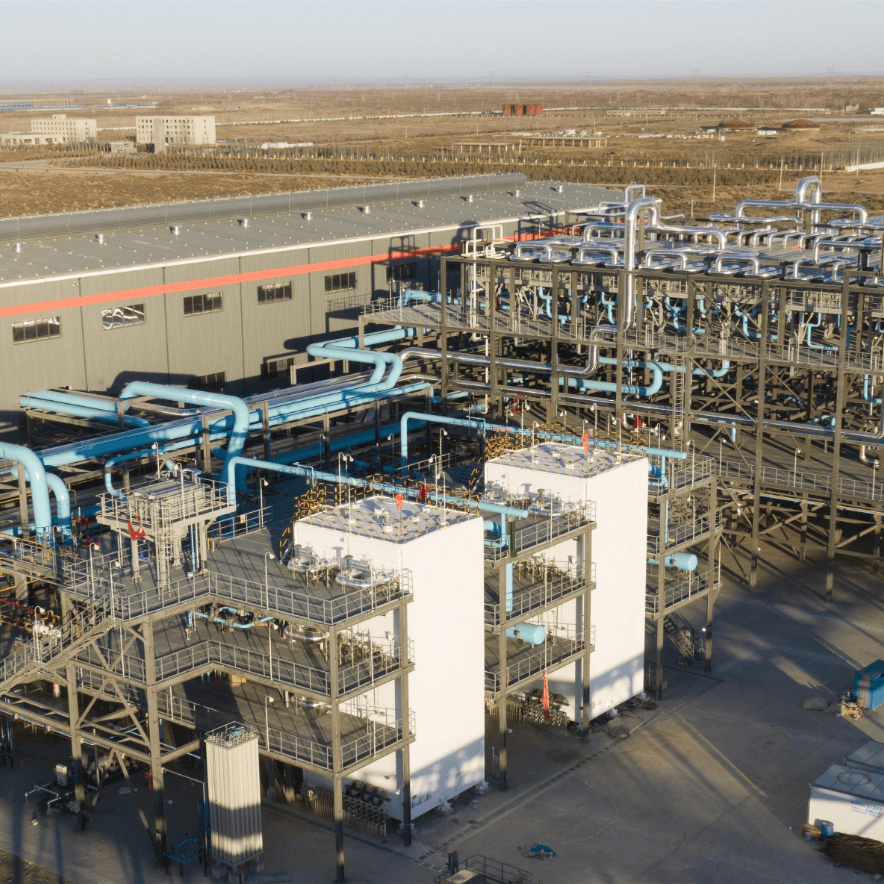
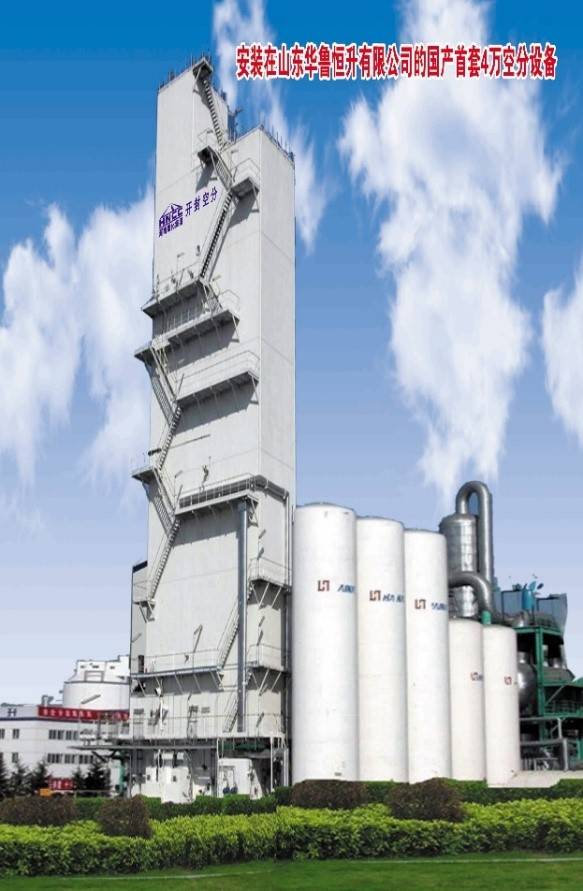
A cryogenic liquid nitrogen plant is an industrial facility that produces high‑purity liquid nitrogen (LIN) by separating nitrogen from atmospheric air at very low temperatures. It operates on the principle of cryogenic air separation, typically using the Hampson‑Linde cycle, to liquefy nitrogen at its boiling point of –196 °C.
Main Process Steps
-
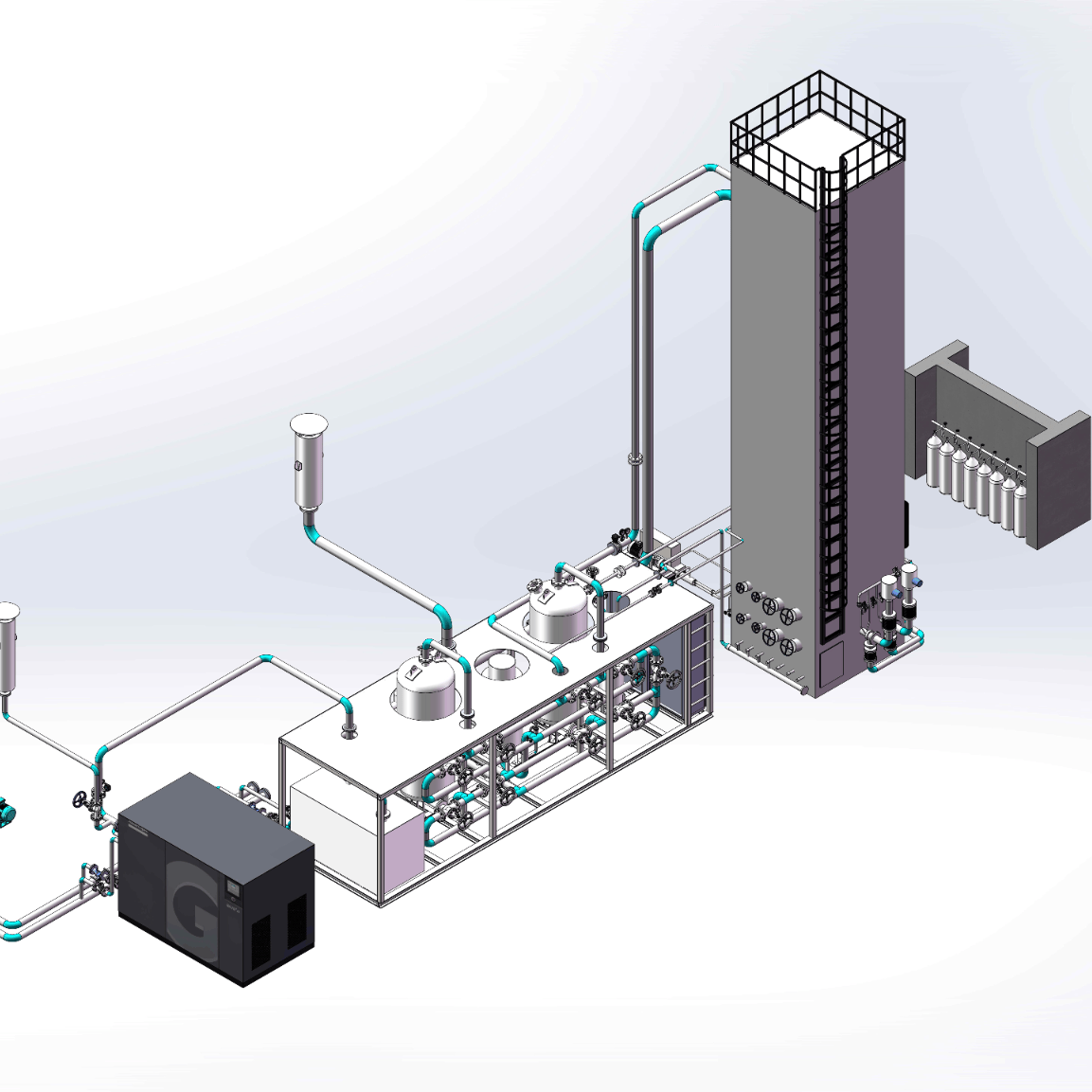
Air compression & pre‑treatment – Ambient air (which is about 78 % nitrogen) is compressed and passed through filtration and purification systems to remove moisture, carbon dioxide, dust, and other contaminants that could freeze or interfere with the process.
-
Separation – The purified air is separated using one of two main technologies:
-
Pressure Swing Adsorption (PSA) – nitrogen is adsorbed from the air stream, or
-
Membrane separation – nitrogen is selectively extracted through membranes.
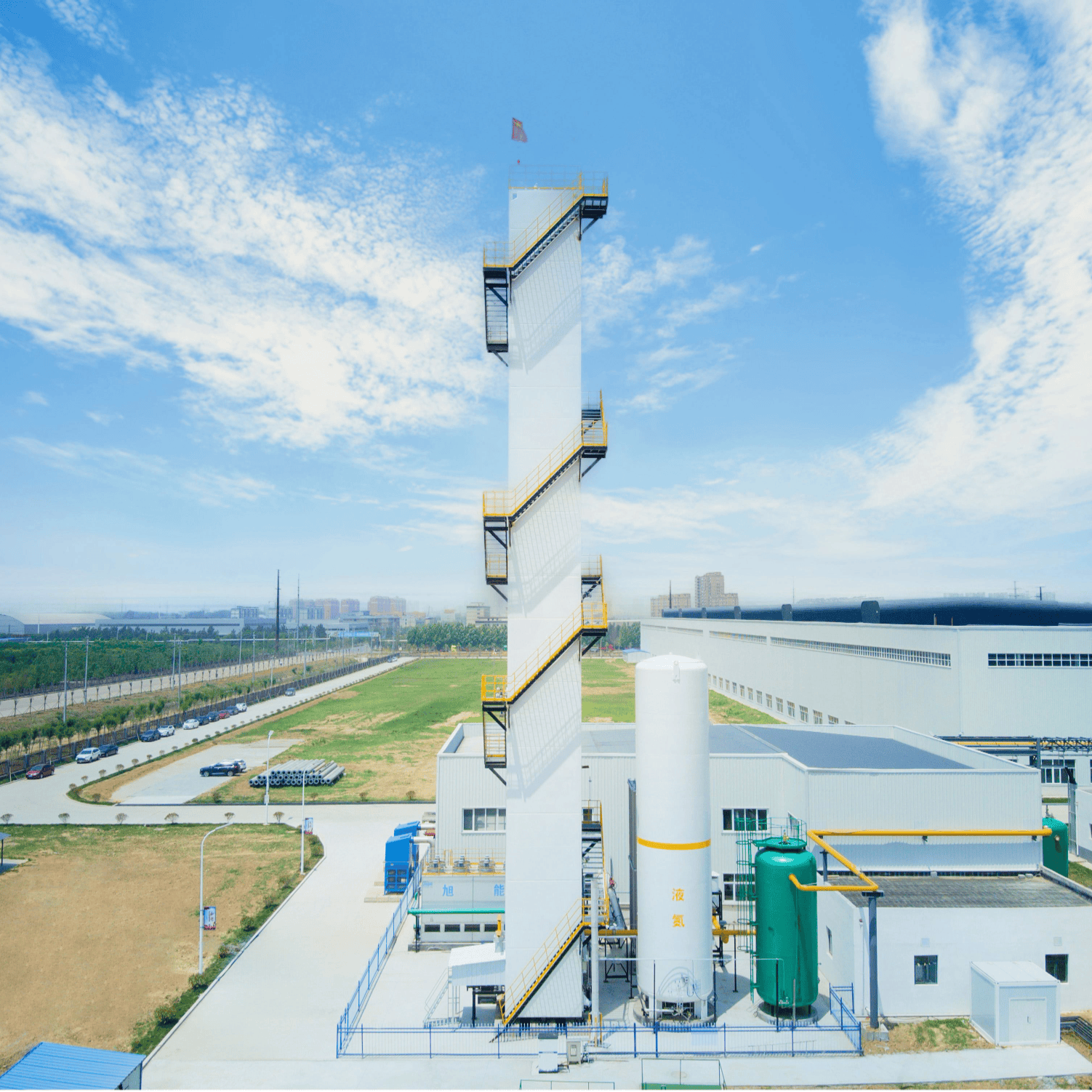
Larger cryogenic plants use fractional distillation in a distillation column to achieve very high purity.
-
-
Liquefaction – The separated nitrogen gas is cooled to cryogenic temperatures using a cryocooler (such as a Stirling, Gifford‑McMahon, or Pulse Tube cryocooler) or a cryogenerator. The cold head causes the nitrogen to condense into liquid form.
-
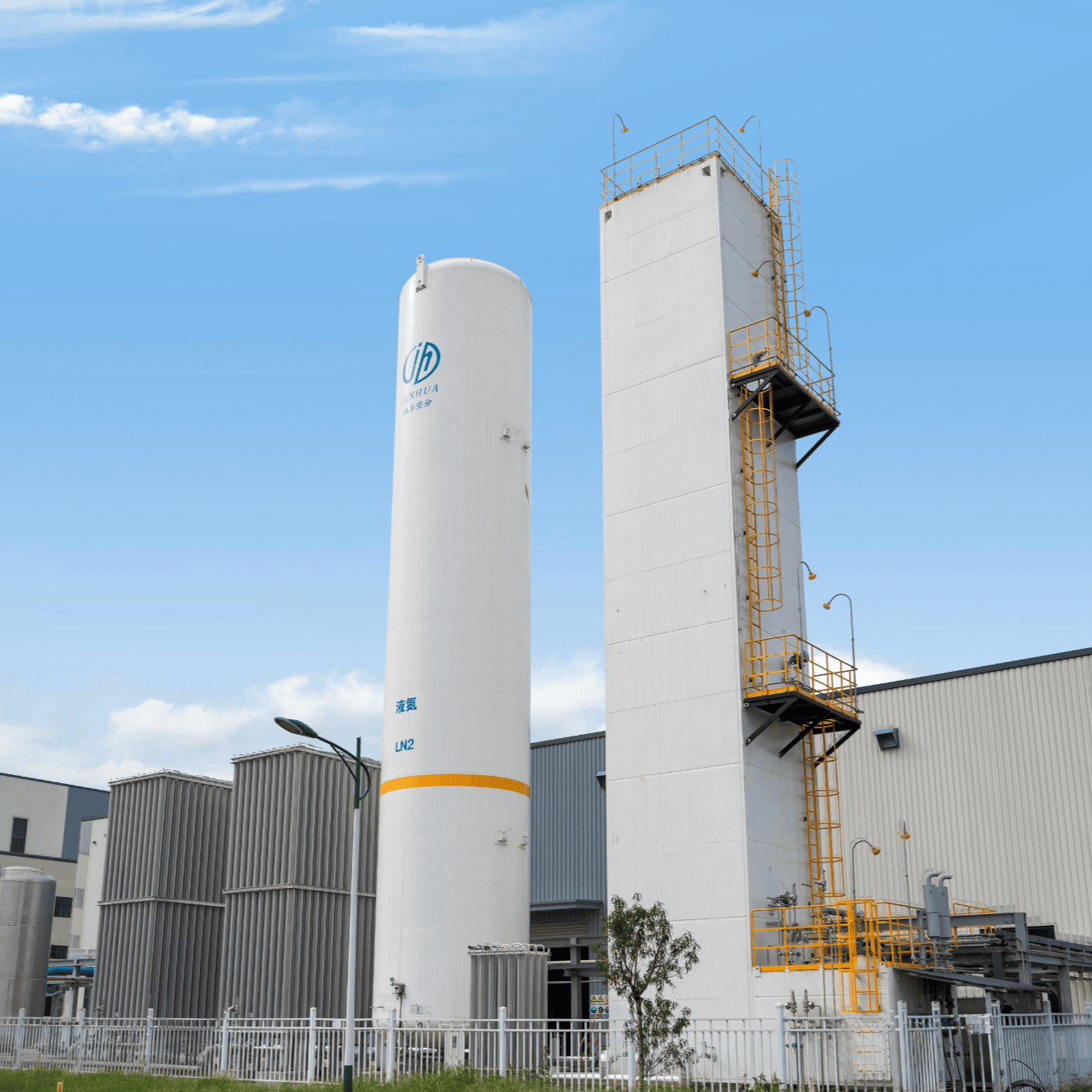
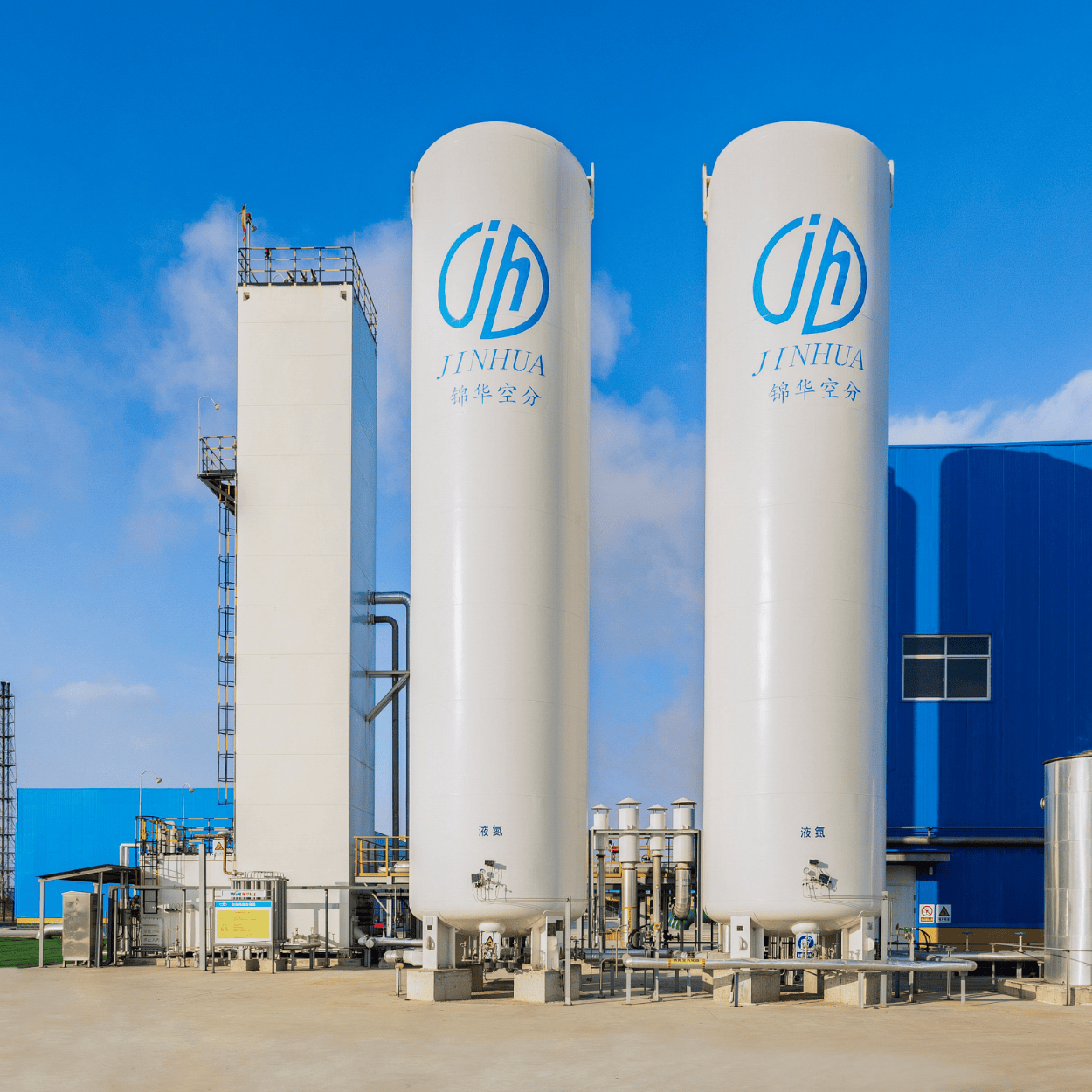
Storage – The liquid nitrogen is collected and stored in insulated dewars or vacuum‑insulated tanks to minimise boil‑off losses.
Key Equipment
-
Air compressor
-
Purification and filtration systems (molecular sieves, dryers)
-
Separation unit (PSA system or distillation column)
-
Cryocooler or cryogenerator
-
Insulated storage dewars
Applications
Liquid nitrogen is widely used for:
-
Cooling and cryogenics – cooling superconductors, NMR magnets, and scientific instruments-
-
Medical and biological – cryopreservation of cells, tissues, and blood; cryosurgery-
-
Food industry – rapid freezing and preservation-
-
Electronics – cooling infrared sensors and semiconductor manufacturing-
-
Industrial – shrink fitting of metal parts, inerting, and purging-
Advantages
The plant delivers a continuous, on‑site supply of high‑purity liquid nitrogen (typically >99 % purity, with electronics‑grade versions reaching 99.99999 %). Modern systems are highly automated, energy‑efficient, and available in modular designs with a small footprint.
In summary, a cryogenic liquid nitrogen plant is the standard, reliable solution for producing high‑quality liquid nitrogen through low‑temperature air separation and liquefaction.