

- Single Pile Double Column
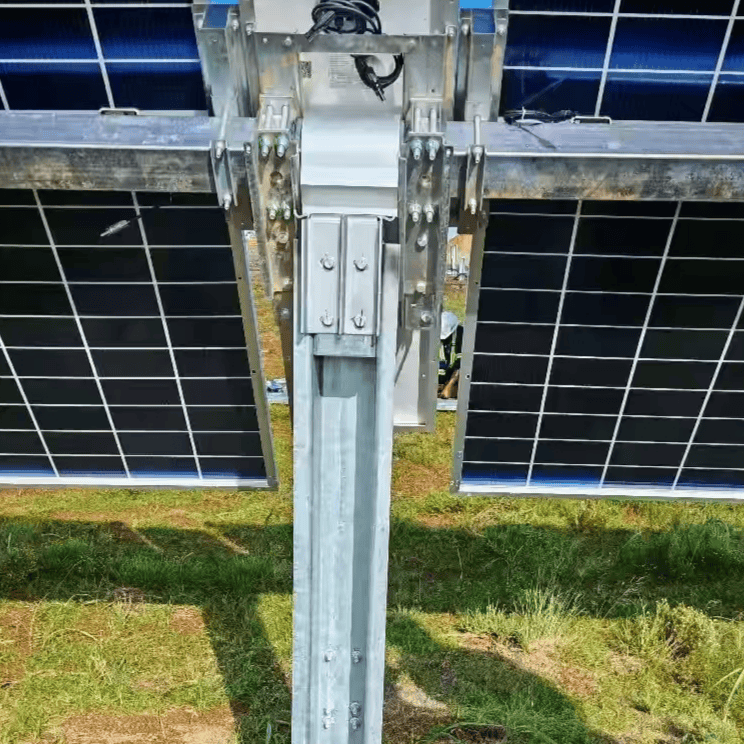
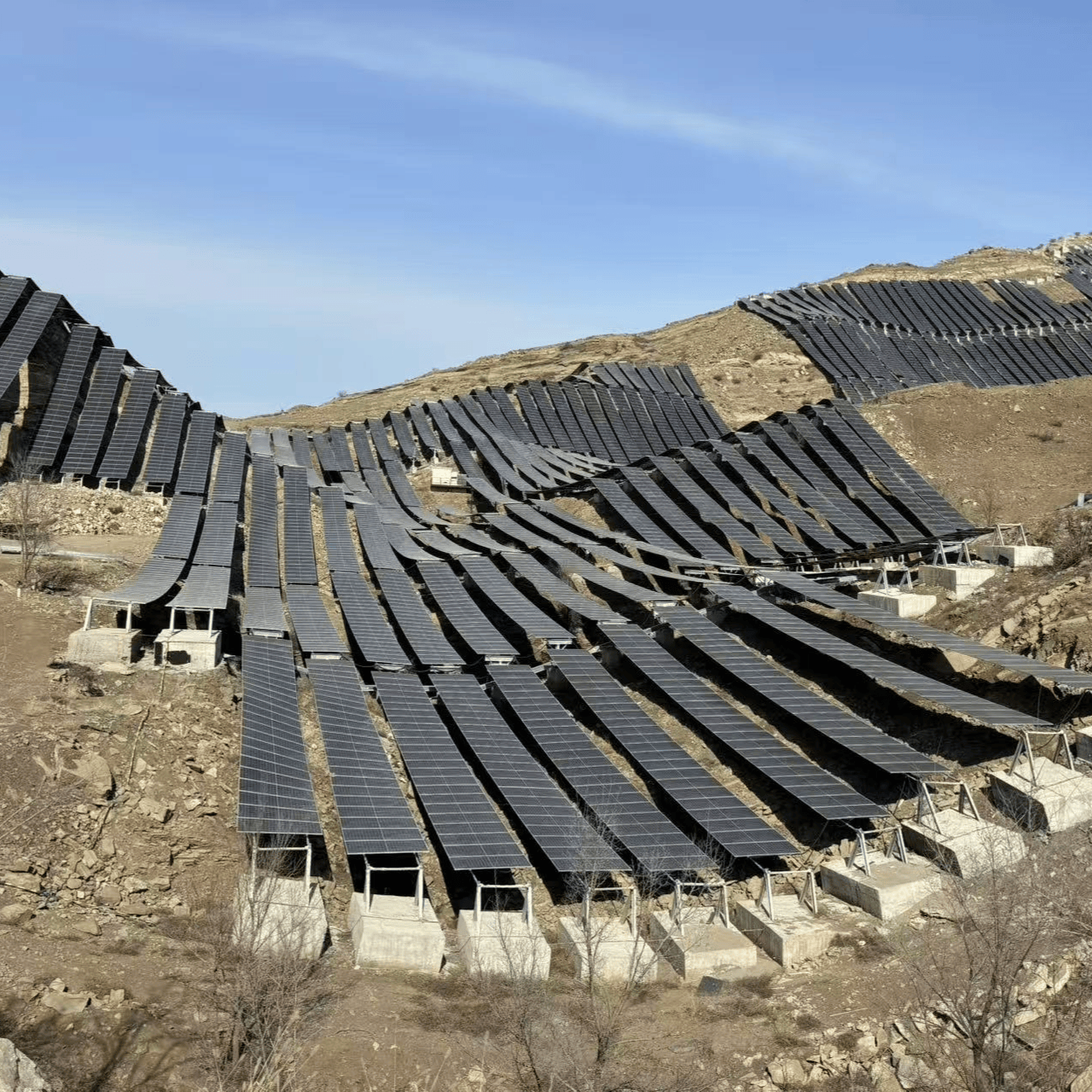
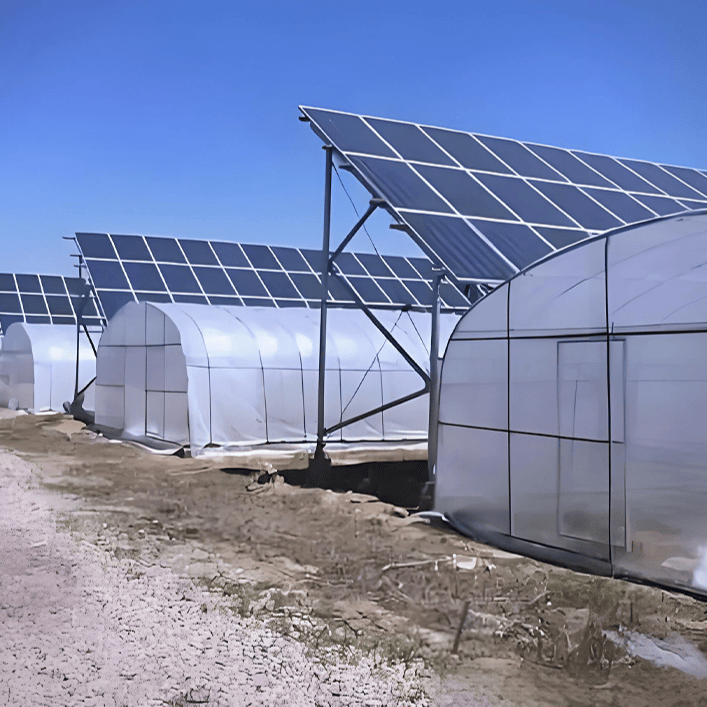
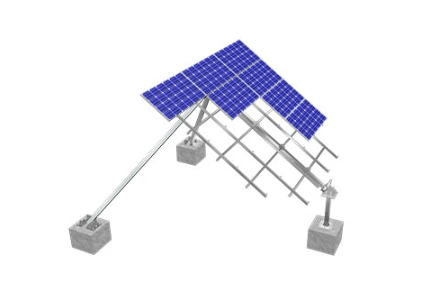
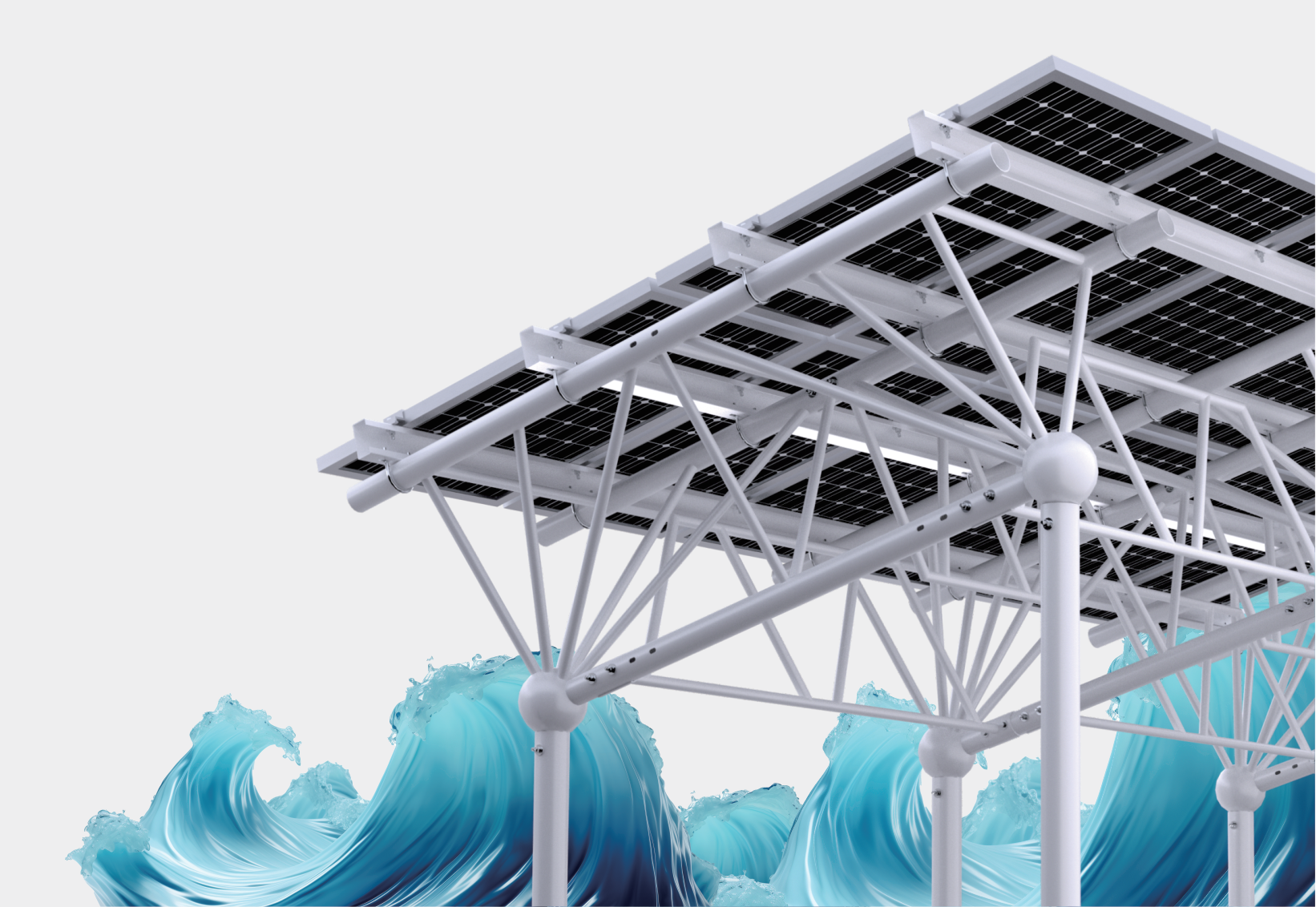
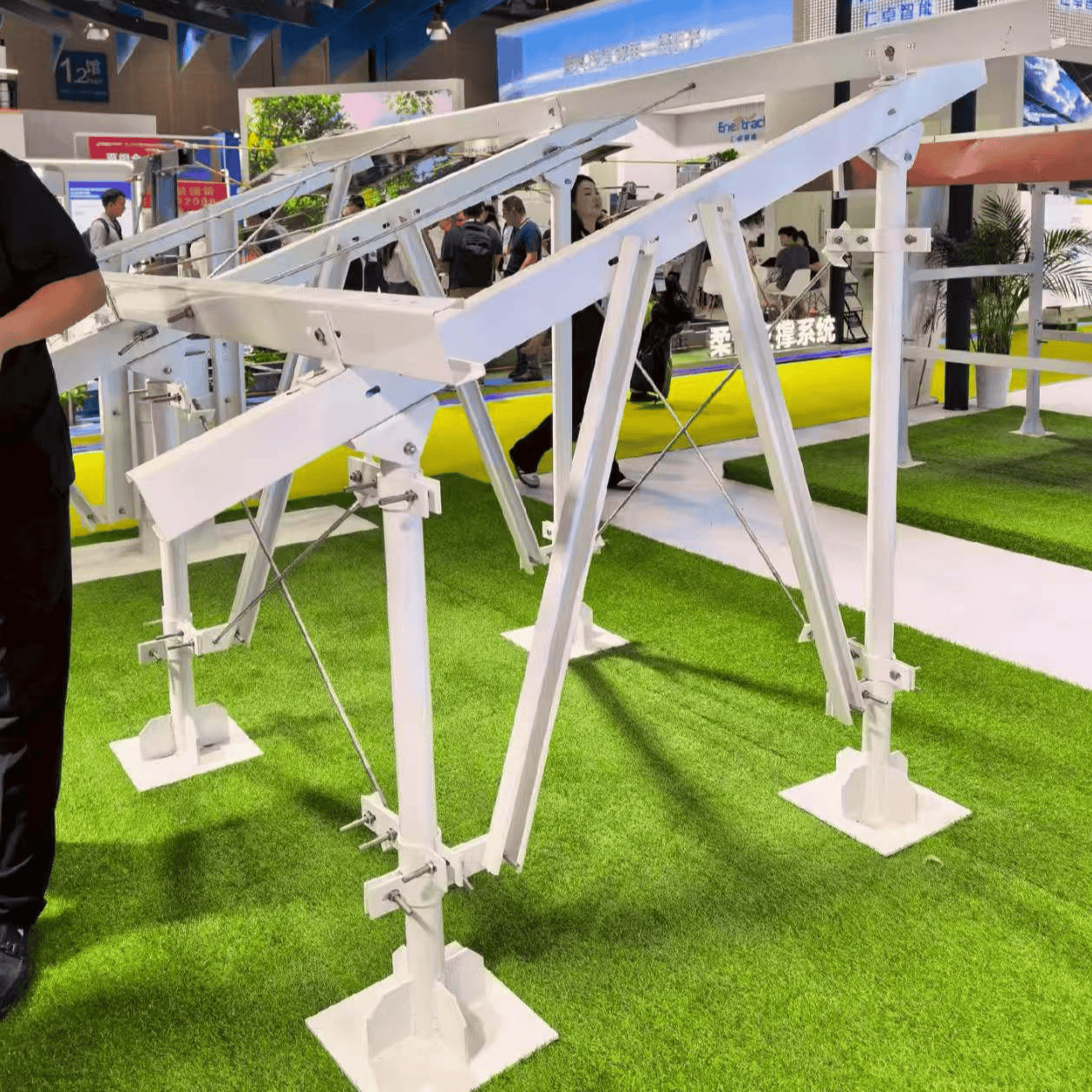
The photovoltaic single pile double column mainly consists of the following parts:
- Foundation Part
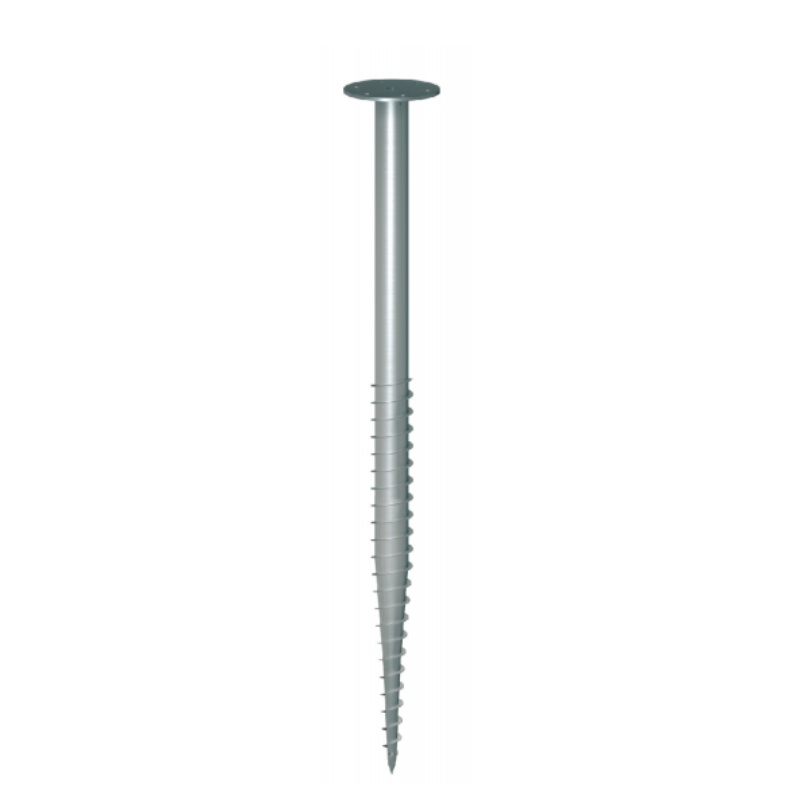
- Pile Foundation: Generally adopts reinforced concrete cast-in-place piles, penetrating deep into the ground to provide stable support for the entire support structure, transferring the loads of the upper structure to the deep foundation, so as to ensure the stability of the support under various working conditions and resist external forces such as wind loads and seismic loads.
- Column Part
- Front Column: Usually installed on the south side of the pile foundation (determined according to the orientation of the photovoltaic panels), with a relatively short length. It is fixed to the pile foundation through hoops and cross-arms, used to support the upper longitudinal beams and other structures, and is the main support point at the front end of the photovoltaic panels.
- Rear Column: Installed on the north side of the pile foundation, with a length greater than the front column to adapt to the angle requirements for inclined installation of the photovoltaic panels. It provides support for the rear end of the photovoltaic panels and, together with the front column, bears the weight of the photovoltaic panels and related components as well as external forces.
- Connection and Support Part
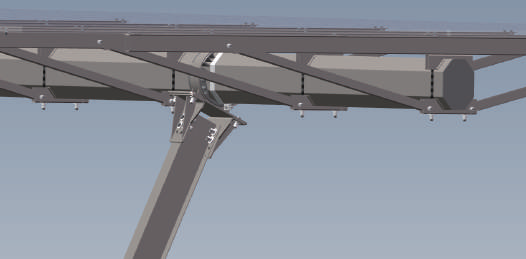
- Longitudinal Beam: Installed on the columns and connected by bolts. Between each group of north-south oriented front and rear columns, the longitudinal beam is connected at an incline. It is one of the main load-bearing members of the photovoltaic support, used to support purlins and photovoltaic modules, transferring the loads of the photovoltaic modules to the columns.
- Diagonal Brace: Located between the hoop under the front and rear columns and the middle of the longitudinal beam. It forms a triangular structure with the front column and the front part of the longitudinal beam, as well as the rear column and the rear part of the longitudinal beam, which can enhance the stability and structural strength of the support and improve the ability of the support to resist lateral forces and deformation.
- Purlin Bracket Plate: Generally an L-shaped structure. Its horizontal section is installed on the top plate of the longitudinal beam, and the vertical section is used to install purlins. It plays the role of connecting and fixing the purlins, enabling the purlins to be evenly distributed on the longitudinal beams and providing stable support for the photovoltaic modules.
- Purlin: Set perpendicular to the longitudinal beams and arranged at intervals along the length direction of the longitudinal beams. It is used to directly support the photovoltaic modules, bear the weight of the photovoltaic modules and other loads, and transfer the loads to the longitudinal beams.
- Diagonal Tie Rod and Straight Tie Rod: The diagonal tie rods are installed between adjacent two purlins in a diagonal arrangement; the straight tie rods are vertically connected between all purlins and located between adjacent two longitudinal beams. They can enhance the connection between purlins and overall stability, improving the spatial rigidity of the support structure.
- Inter-beam Tie Rod: Installed between adjacent two longitudinal beams, usually arranged in a cross X-shaped structure. It can effectively prevent the longitudinal beams from lateral deformation under loads, enhance the collaborative working ability between the longitudinal beams, and improve the stability of the entire support structure.