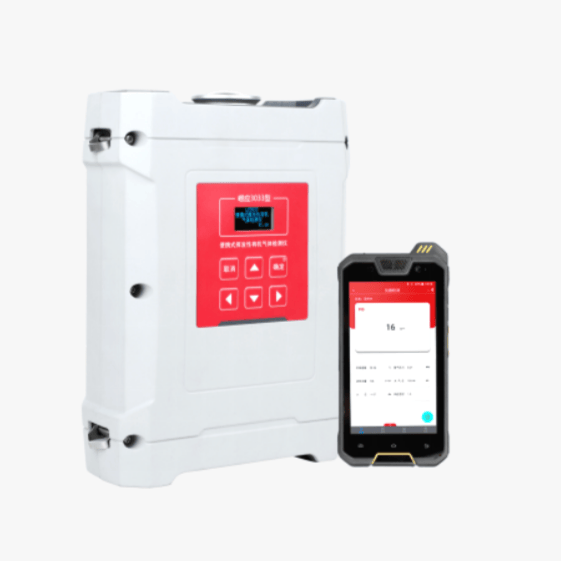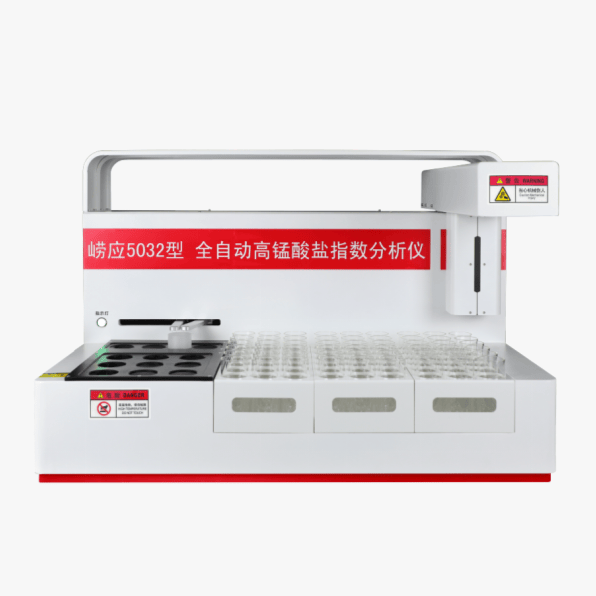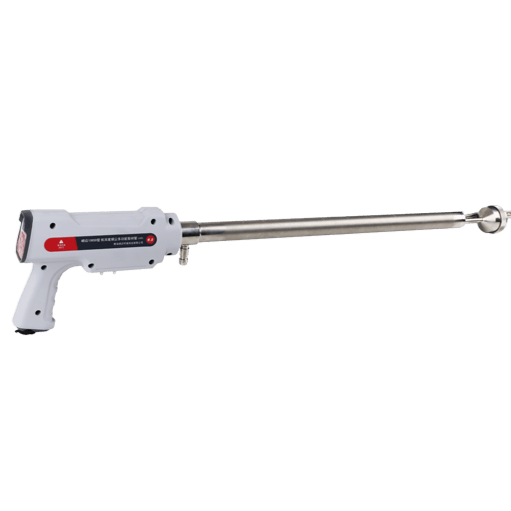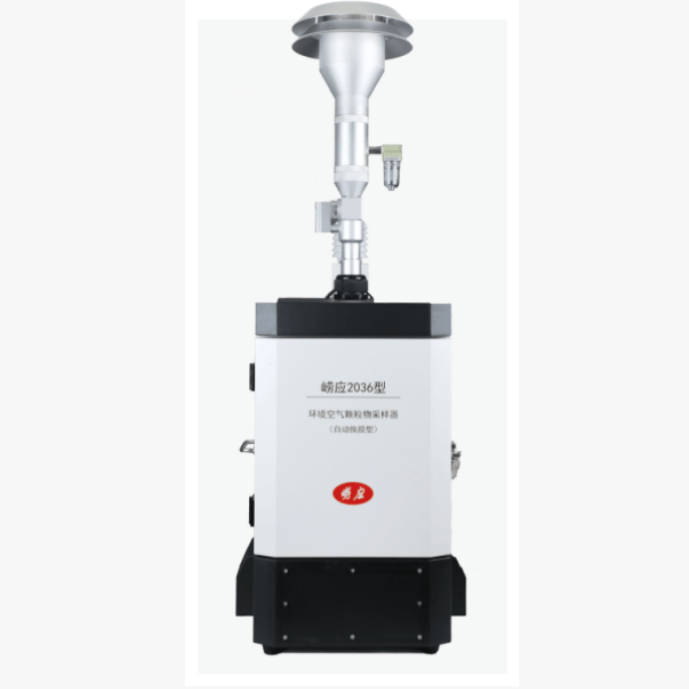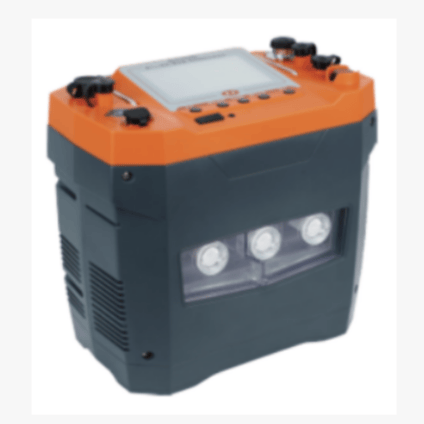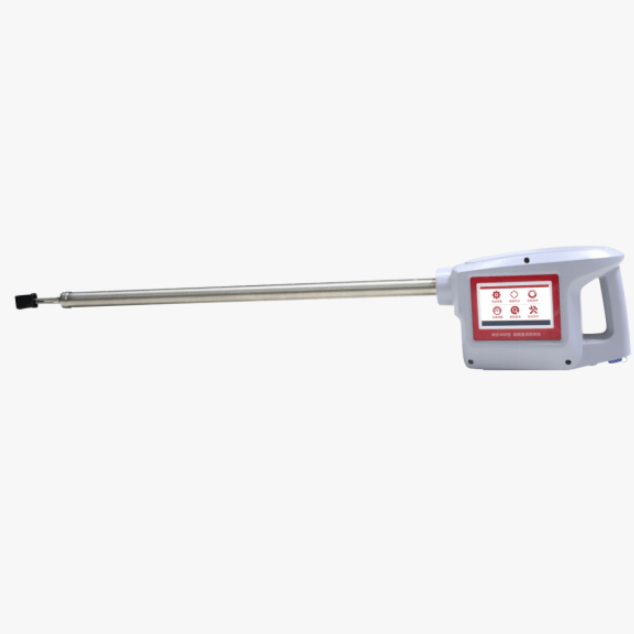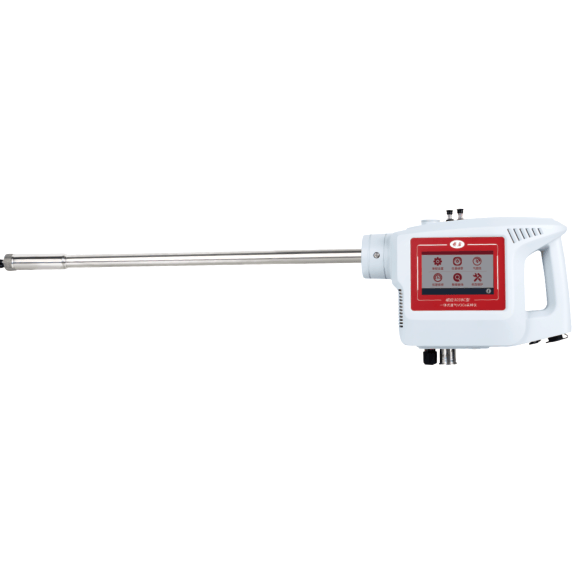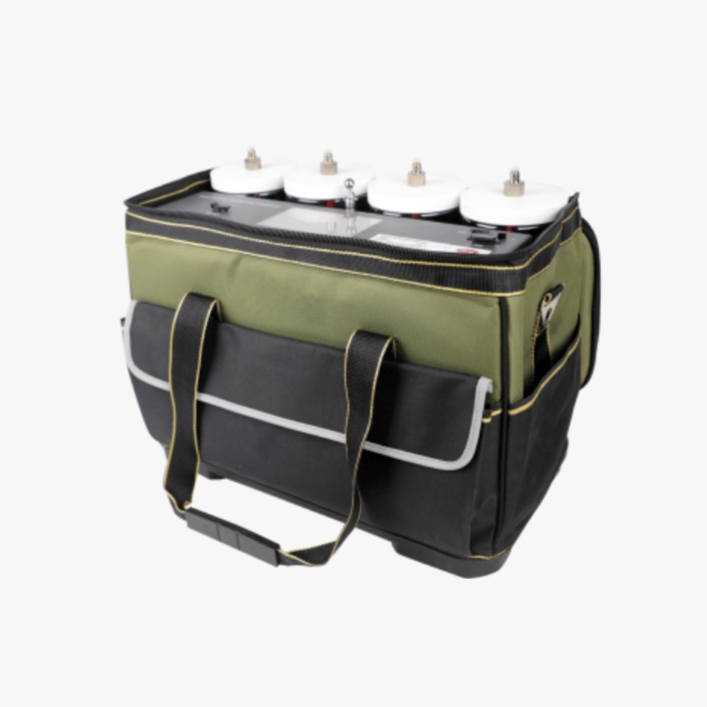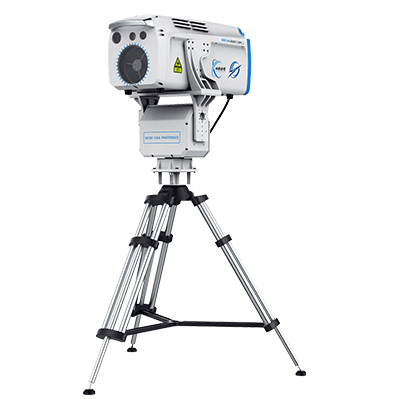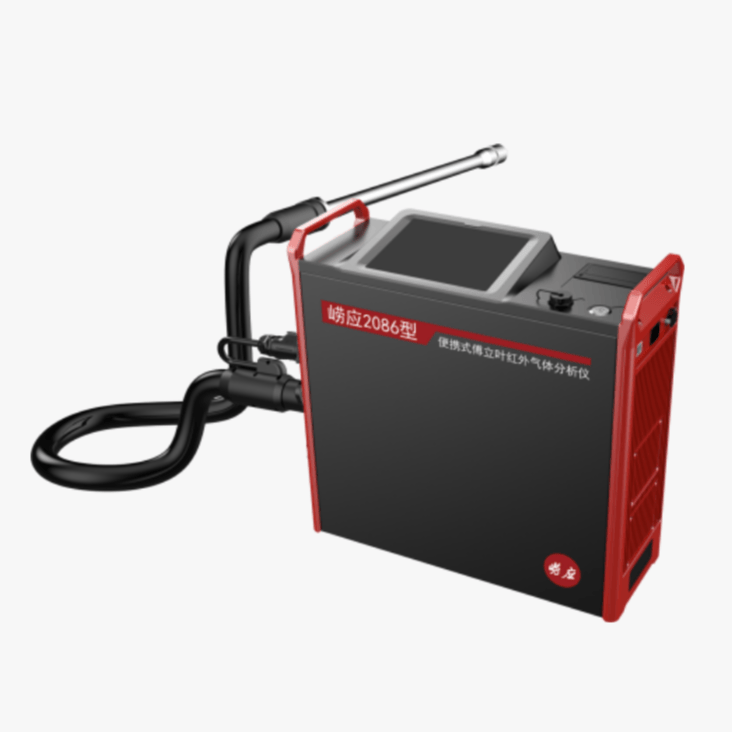


This instrument is applied in fields such as monitoring of stationary source exhaust gas and greenhouse gases. Based on Fourier transform infrared spectroscopy technology, it can simultaneously analyze and measure multiple inorganic and organic gases, providing precise quantitative analysis of various inorganic and organic gases including H2O, CO2, CO, SO2, NO, NO2, N2O, NH3, HCl, CH4, C3H8, etc.; it features an infrared spectral absorption database and can perform qualitative analysis of unknown gases through absorption spectra.
Standards Implemented
- HJ 1011-2018 Technical requirements and test methods for portable Fourier transform infrared monitors for volatile organic compounds in ambient air and exhaust gas
- HJ 1240-2021 Stationary source exhaust gas — Determination of gaseous pollutants (SO2, NO, NO2, CO, CO2) — Portable Fourier transform infrared spectrometry
- HJ 1330-2023 Stationary source exhaust gas — Determination of ammonia and hydrogen chloride — Portable Fourier transform infrared spectrometry
Main Features
- Adopts the principle of Fourier transform infrared spectral analysis, enabling simultaneous precise quantitative analysis of various inorganic and organic gases including H2O, CO2, CO, SO2, NO, NO2, N2O, NH3, HCl, CH4, C3H8, etc.;
- The interferometer adopts a dual-corner-cube retroreflector torsional pendulum structure, which is robust and highly vibration-resistant, suitable for portable on-site applications;
- The sample gas cell is corrosion-resistant, with gold-coated mirrors;
- Integrated system design, compact size and light weight, greatly reducing the complexity of on-site operation;
- Built-in advanced analysis algorithms effectively eliminate cross-interference in gas measurement, suitable for qualitative and quantitative analysis of various inorganic and organic gases;
- Real-time spectral viewing, automatic analysis of spectral data, and inversion of concentrations of various pollutants.