
It is a new type of fabric filter developed for the biomass and waste-to-energy power generation industry, based on the traditional low-pressure jet fabric filter. Biomass fuels and waste have high moisture content, and the flue gas contains a large amount of alkaline dust that readily absorbs moisture. Such flue gas is highly corrosive during low-temperature condensation. Due to the structural limitations of traditional low clean air chamber fabric filters, equipment corrosion caused by air leakage is very severe, even posing structural hazards. The company has developed a high nozzle house structure fabric filter, which reduces the original maintenance door area by more than 95%, thoroughly solving the flue gas corrosion problem caused by leakage between nozzle chambers, and contributing to ultra-low emission technology for flue gas particulates in biomass and waste-to-energy power generation as well as industrial emissions.
1/1


High Clean Air Chamber Long-Bag Low-Pressure Pulse Jet Dust Removal Technology
Negotiable
China
Room 1178, Hi-Tech Building, No. 2 Jiayuan Road, East Lake High-Tech Development Zone, Wuhan
13801339781
8613801339781
engsongtao@whsylt.com
Product Introduction
Product Parameters
1. Redesigned clean air chamber structure to eliminate air leakage at the source and solve top corrosion issues
The main structural improvement of the dust collector is the elevation of the upper clean air chamber, with the bag cage divided into two sections, and the filter bags and bag cages installed inside the high clean air chamber. Partition plates are designed between each chamber, and each clean air chamber has only one 0.6*0.8m square maintenance manhole. The manhole door adopts the company's patented double-layer corrosion-resistant insulated door, which has an area of only 4% of that of a conventional low clean air chamber, greatly reducing the air leakage area. Moreover, the door is small and lightweight, making strict sealing relatively much easier to achieve. This structurally eliminates the air leakage problem at the top of traditional dust collectors.
2. Double-layer anti-leakage corrosion-resistant insulated door
The sealing performance of the dust collector is crucial to its dust removal efficiency, and the poor sealing performance of its large maintenance doors has always been a thorny issue. The company's patented new corrosion-resistant anti-leakage maintenance door features a unique double-layer combined structure. Both layers of the door can be opened and closed independently, providing double-layer sealing. The connection method is lightweight, enabling flexible and convenient opening and closing of the maintenance door.
3. Full insulation coverage on the top to enhance overall insulation performance
The top cover of the high clean air chamber of the dust collector has no maintenance doors, allowing for the installation of a complete insulation layer. Maintenance walkways are arranged in the valve lifting area, with insulation cotton laid beneath the walkways, and an integrated rain canopy is designed above the valve lifting mechanism, ensuring full insulation coverage over the entire top cover. Combined with the high clean air chamber structure and double-layer insulated doors, this eliminates the corrosion problem of the clean air chamber, while also improving the corrosion resistance of the downstream flue duct and helping to reduce the caking problem of dust inside the dust collector.
4. Small footprint and investment savings
The clean gas duct of the high clean air chamber dust collector is arranged on top of the collector, no longer occupying space in the bag chamber. The entire top cover area can be 100% utilized for tube sheet holes, reducing the footprint by more than 20% compared to conventional low clean air chambers, significantly improving the bag volume ratio of the dust collector. This saves site investment and is suitable for projects with limited space, especially efficiency improvement retrofits of old projects, with reduced engineering workload and significant comprehensive benefits.
5. Lower system resistance and significant energy-saving effects
The high clean air chamber dust collector adopts a horizontal inlet method. Most of the flue gas moves horizontally forward in the cross-sectional direction after passing through the flow guide plates and uniform distribution perforated plates, significantly reducing system resistance. System air leakage is also far lower than that of low clean air chambers. With reduced system resistance and air volume, the operating load of the induced draft fan is decreased, saving 25% of auxiliary power consumption during long-term operation.
Other products from this supplier

Negotiable
Cartridge Dust Collector
Negotiable
SYE Series Electrostatic Precipitators
Negotiable
Slightly Positive Pressure (Dilute Phase) Pneumatic Conveying
Negotiable
High-Pressure (Dense-Phase) Pneumatic Conveying
Negotiable
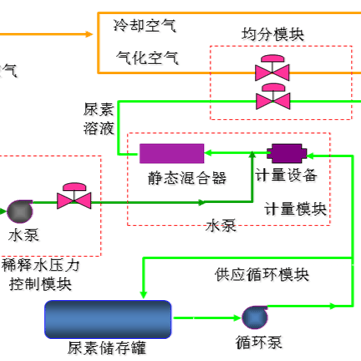
SNCR Denitrification Technology
Negotiable
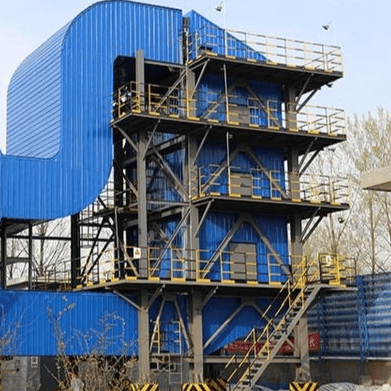
SCR Denitrification Reactor
Negotiable
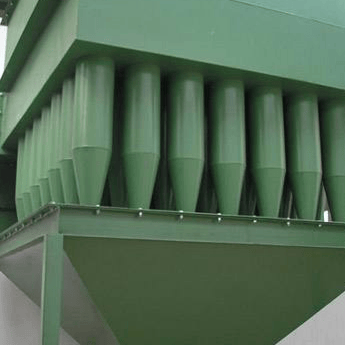
XDII Multi-Cyclone Dust Collector
Negotiable
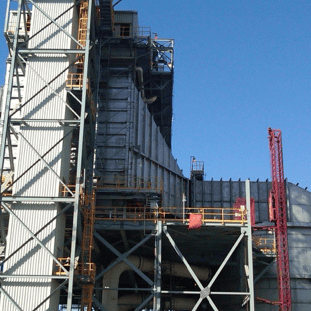
SYC Series Standalone Dust Collector
Negotiable
WESP Wet Electrostatic Precipitator

Negotiable
LNB (Low-NOx Burner) Denitrification Technology
Negotiable
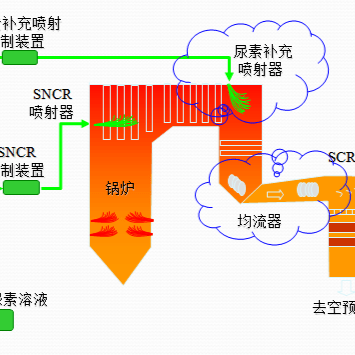
SCR+SNCR Combined Denitrification Technology
Negotiable
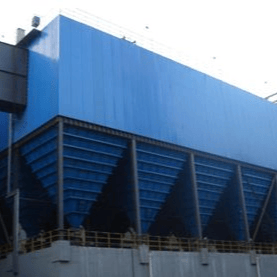
LCDM Series Long-Bag Pulse Dust Collector
Related Products
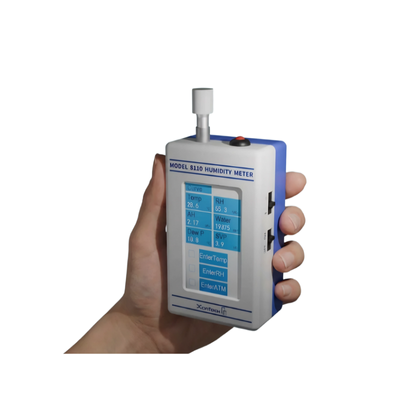
8110 Moisture Concentration Tester
Negotiable
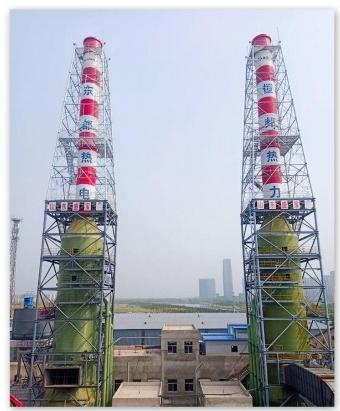
Flue gas desulfurization equipment
Negotiable
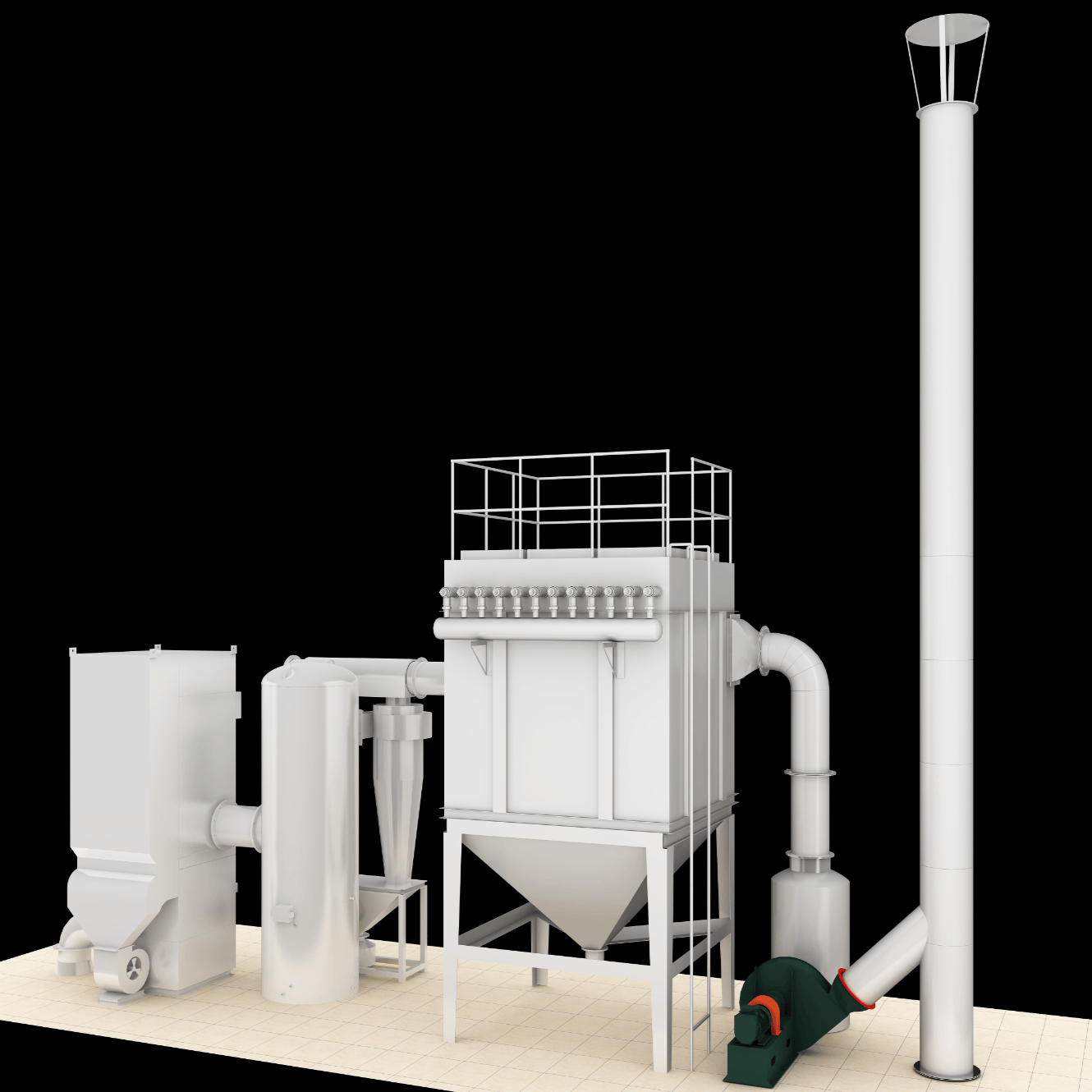
Exhaust Gas Purification Treatment Equipment
480000-680000 /Set
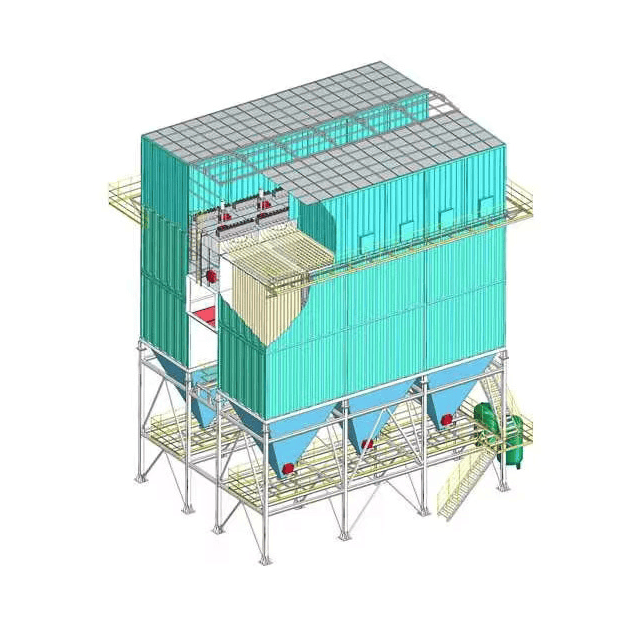
High Clean Air Chamber Long-Bag Low-Pressure Pulse Jet Dust Removal Technology
Negotiable
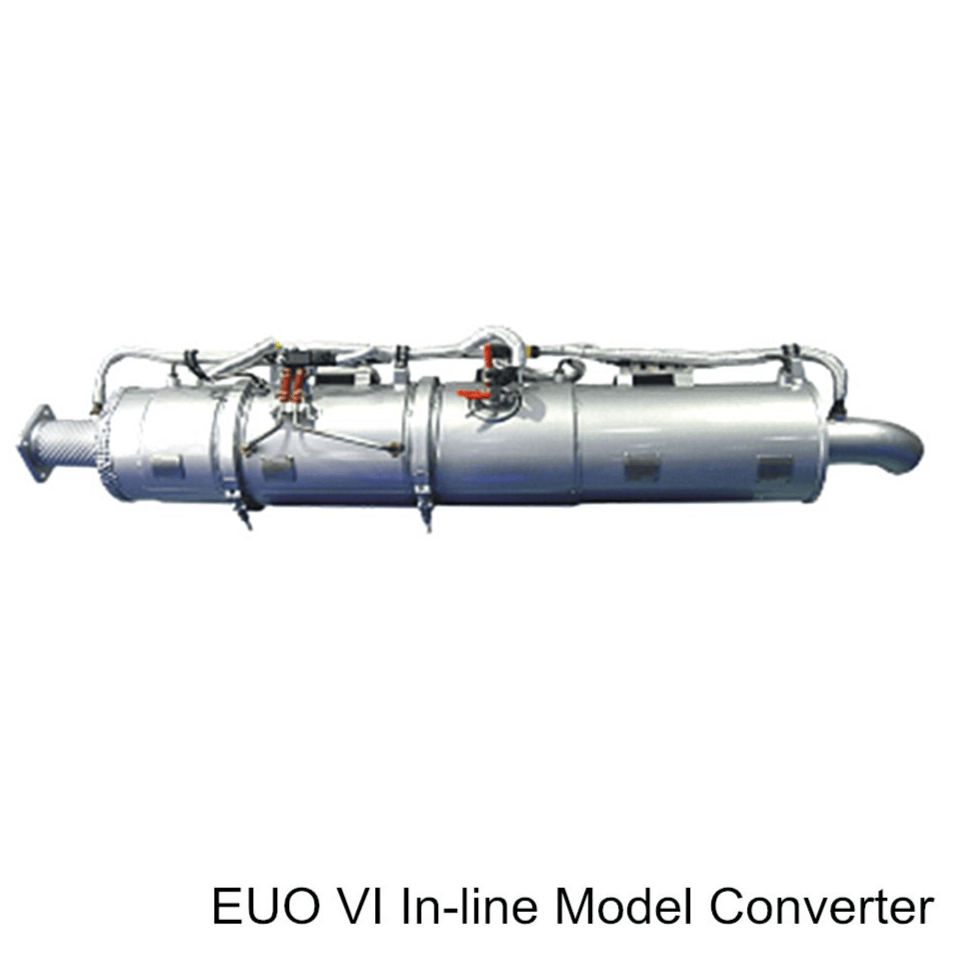
Euro6 Diesel Engine After Treatment System Catalytic Converter Silencer Doc+DPF+SCR+Asc
1000-3000 /set
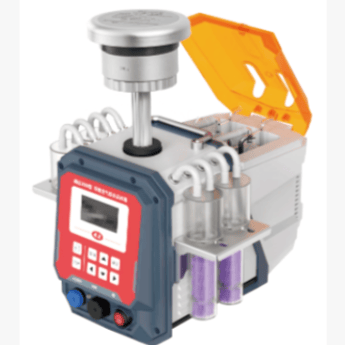
LaoYing Model 2050 Ambient Air Comprehensive Sampler - Constant Temperature Version
Negotiable
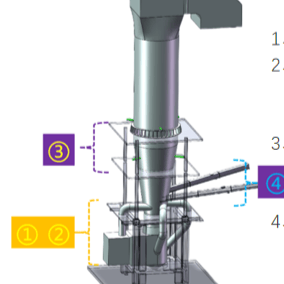
Semi-dry / Dry (Dual Circulation CFB) Desulfurization Technology
Negotiable
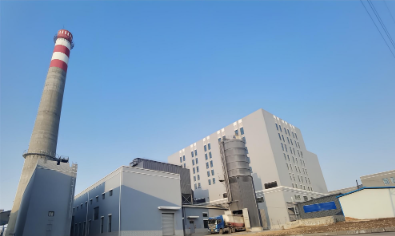
Next-generation municipal solid waste incineration boiler thermal power system
Negotiable
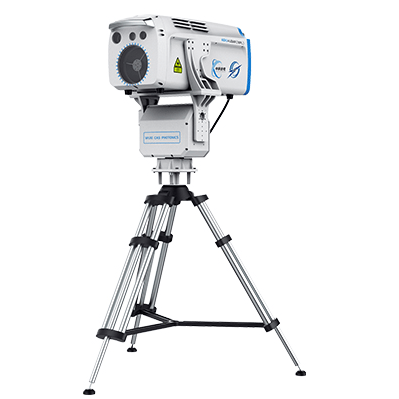
Portable Micro-Pulse Particulate Matter Lidar
Negotiable
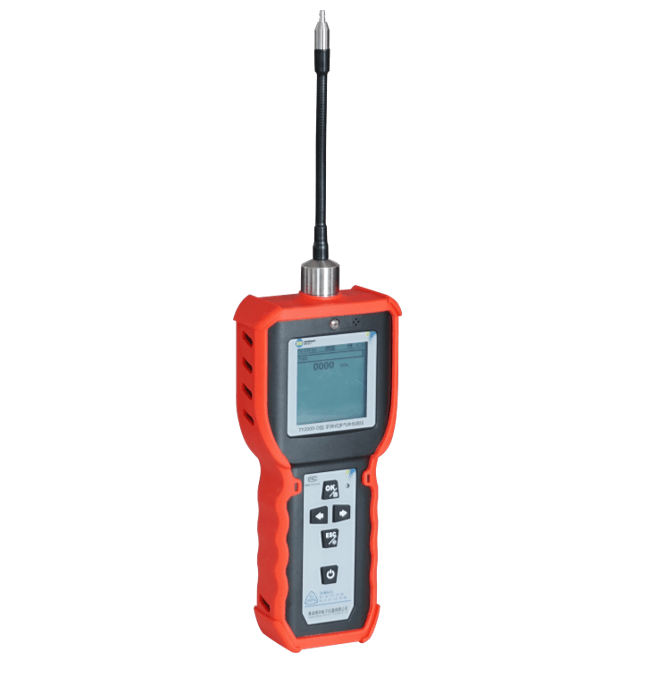
TY2000-D Portable Multi-Gas Detector
Negotiable
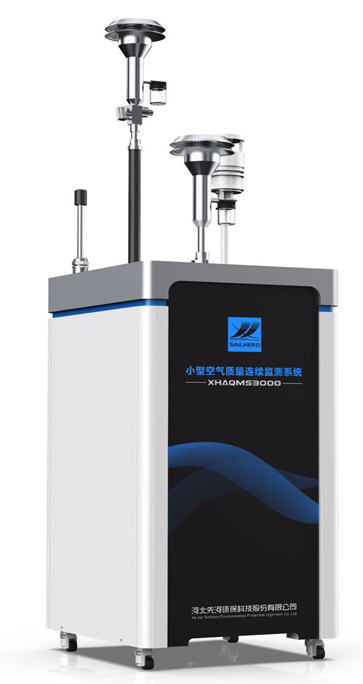
XHAQMS3000 Compact Air System
Negotiable
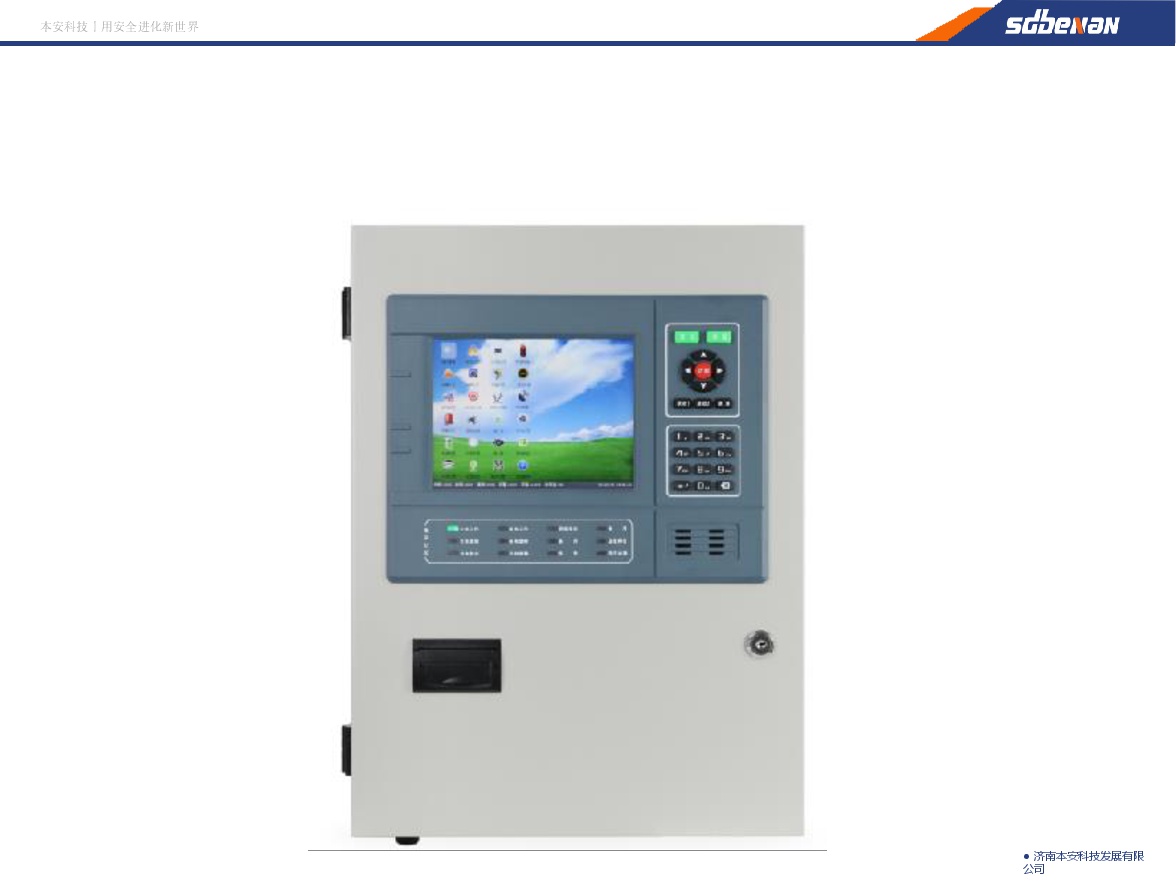
Combustible Gas Alarm Controller 1000
Negotiable