

Overview
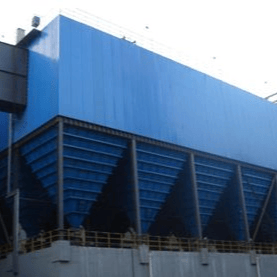
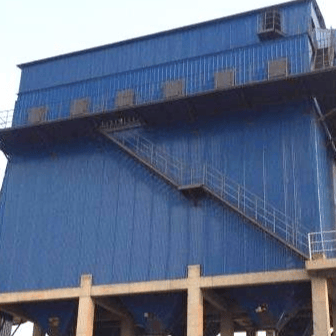
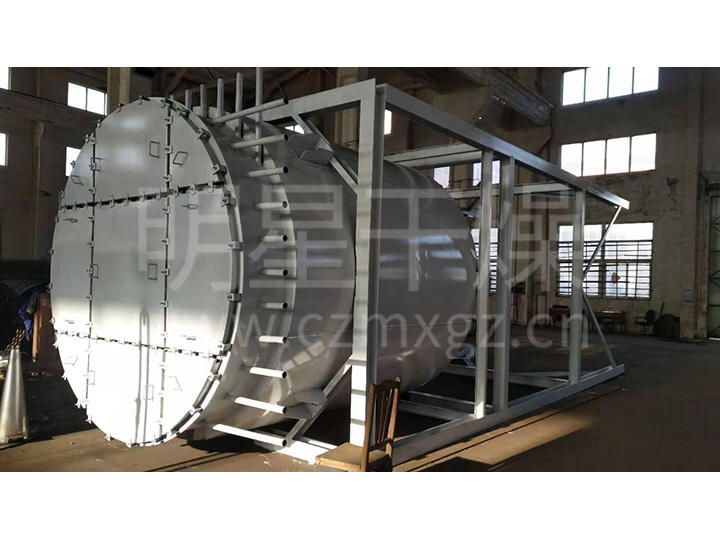
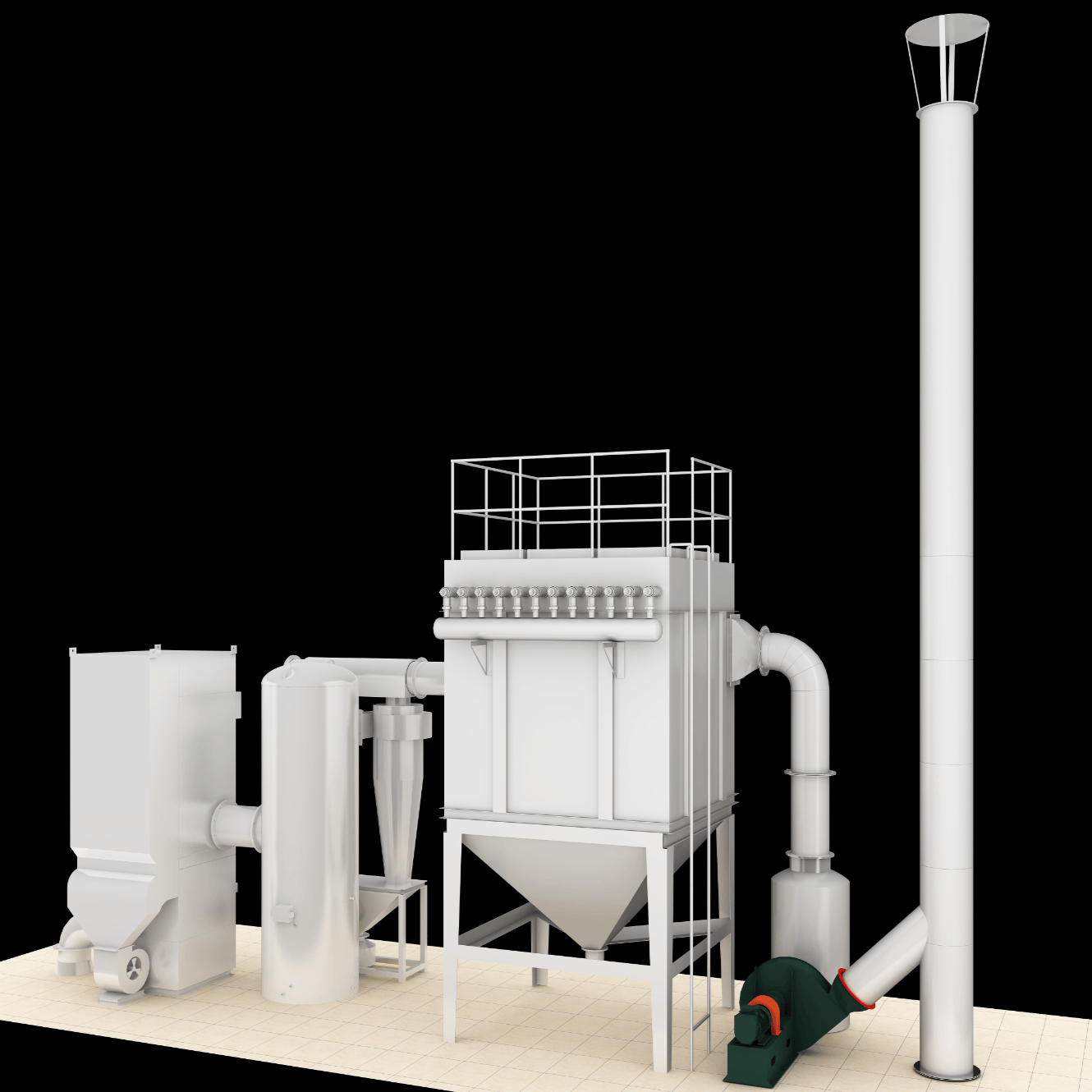
A wet electrostatic precipitator is a high-voltage electrostatic dust collection device used to treat moisture-laden gases. It is primarily designed to remove harmful substances such as dust, acid mist, water droplets, aerosols, odors, and PM2.5 from wet gases, making it an ideal solution for controlling atmospheric dust pollution. Wet electrostatic precipitators are typically installed downstream of wet flue gas desulfurization (WFGD) systems. The saturated flue gas after desulfurization carries a large number of water droplets, which are captured as the gas passes through the high-voltage electric field, thereby reducing the likelihood of gypsum rain formation. Additionally, it is highly effective at collecting fine particulate matter such as PM2.5 and acid mist, achieving dust emission concentrations as low as ≤10 mg/m³.
A wet electrostatic precipitator is commonly abbreviated as WESP. Its fundamental dust collection principle is the same as that of a dry electrostatic precipitator, involving three stages: charging, collection, and cleaning.
Working Mechanism
The collection principle of a wet electrostatic precipitator is identical to that of a dry electrostatic precipitator: both rely on high-voltage corona discharge to charge the dust particles, which are then driven by the electric field force to the collecting plates/tubes. Dry electrostatic precipitators are mainly used to treat dry gases with very low moisture content, while wet electrostatic precipitators are designed to handle wet gases with high or even saturated moisture levels. There is a significant difference between WESP and DESP in how the dust collected on the plates/tubes is removed. Dry electrostatic precipitators typically use mechanical rapping or sonic horn cleaning to dislodge the accumulated dust from the electrodes, whereas wet electrostatic precipitators employ periodic washing, where the dust is flushed away by the flow of the washing liquid.
Gas Flow Rate Range
10,000 ~ 3,000,000 m3/h, with outlet emission concentration below 30-5 mg/Nm3.
Applicable Industries
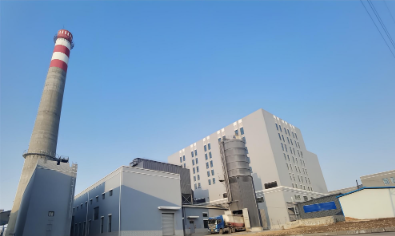
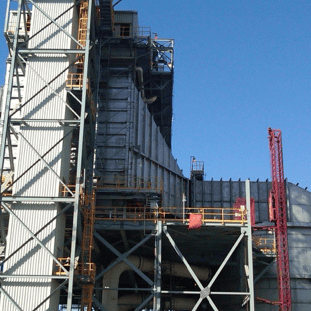
Applications in the treatment of dust-laden flue gas after wet desulfurization in power plants and steel mills across industries such as metallurgy, building materials, electric power, light industry, chemical, and solid waste treatment.