

Overview
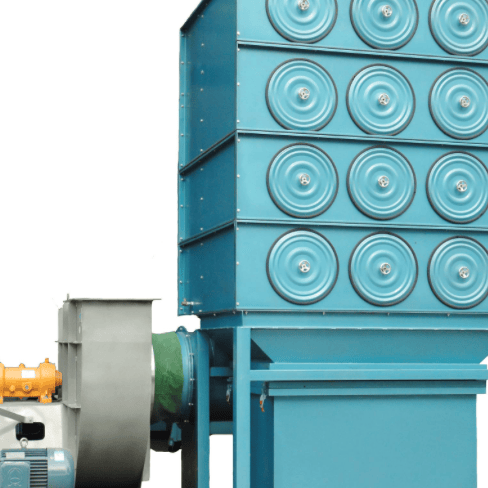
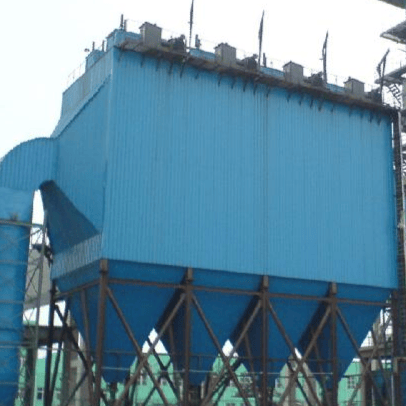
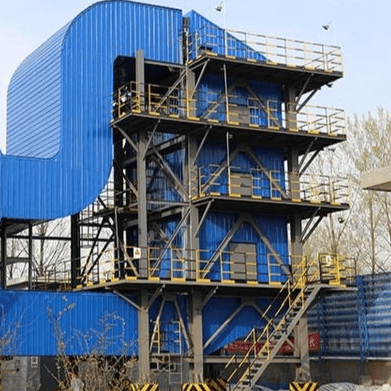
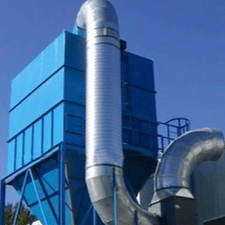
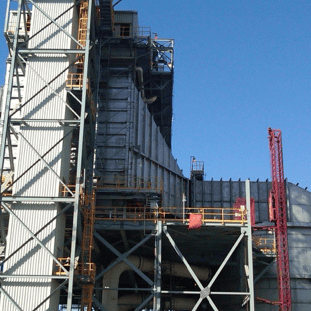
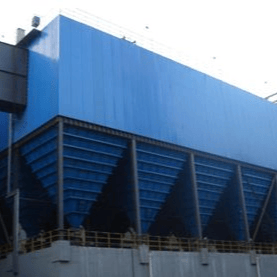
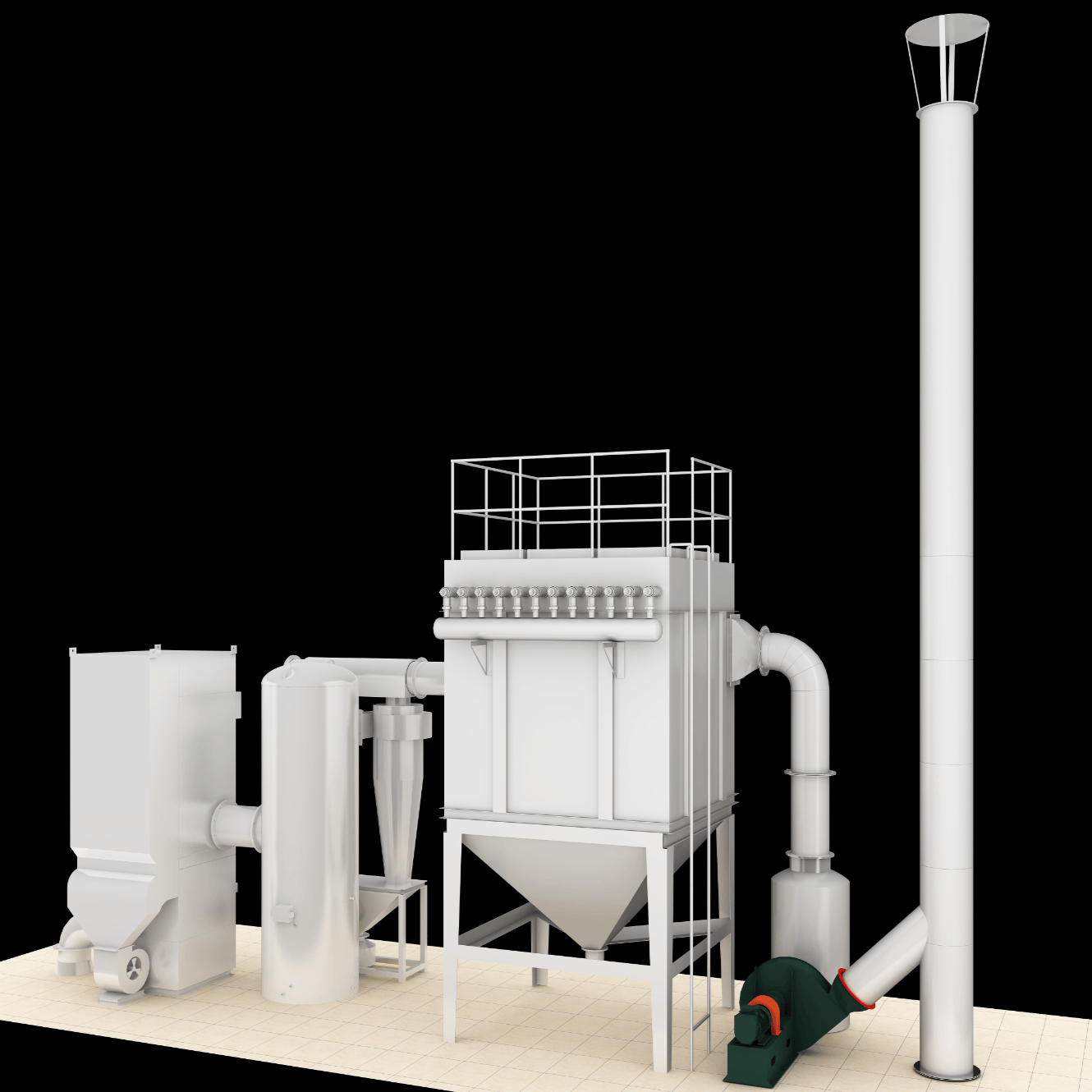
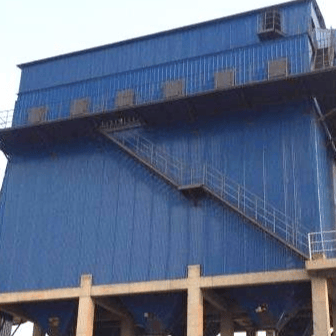
The GCDM series high clean air chamber baghouse dust collector is a practical and efficient product with independent intellectual property rights, developed by our company based on years of practical experience with electrostatic precipitators and long-bag low-pressure pulse baghouse dust collectors widely used in the metallurgy, power, building materials, and solid waste industries, and drawing on a series of advanced boiler dust removal technologies from abroad. It is better adapted to the combustion characteristics and flue gas properties of domestic boilers and industrial boilers, and fully takes into account potential adverse conditions during boiler operation, such as oil injection for combustion support, abnormal flue gas temperature, and "four-tube" tube bursts.
Working Mechanism
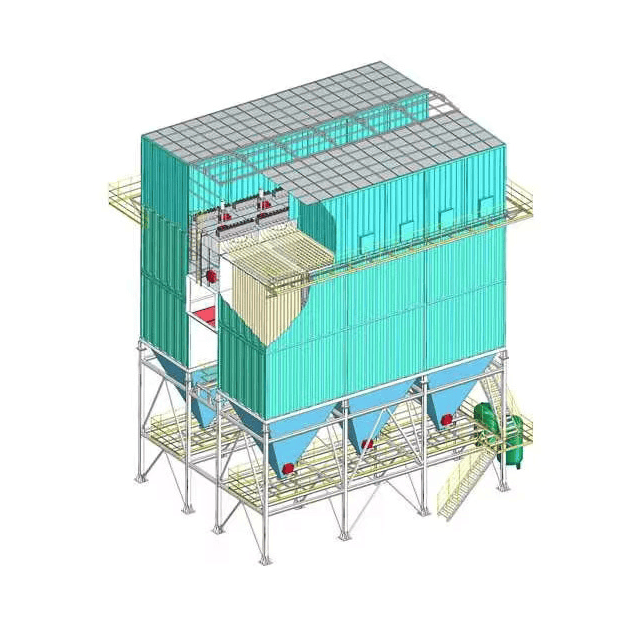
Dust-laden gas enters through the inlet horn of the dust collector, which is equipped with a staged air distribution plate inside. A portion of the large-particle dust is separated by the air distribution plate and falls directly into the ash hopper, while the remaining dust is guided by the diversion system into the filtration zone of the middle chamber along with the airflow, where it adheres to the outer surface of the filter bags. The cleaned gas passes through the filter bags into the upper chamber and is discharged through the exhaust duct.
The cleaning system operates as follows: compressed air is delivered through air supply pipes to the air reservoirs of each pulse valve. It is then instantaneously injected into the filter bags through nozzles at the lower part of the fixed blow pipes, achieving dust removal.
Main Components
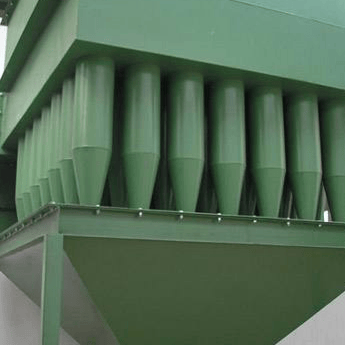
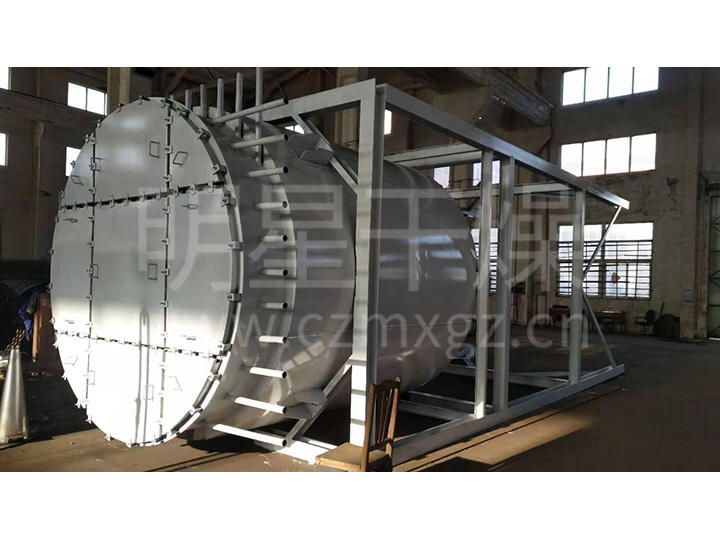
It consists of the high clean air chamber, middle chamber, ash hopper, airflow distribution system, inlet and outlet flue ducts, pulse jet cleaning system, heating system, anti-blocking system, insulation system, and electrical control system.
Processing Air Volume Range
30,000 to 3,000,000 m3/h, with outlet emission concentration below 50-5-5 mg/Nm3.
Applicable Industries
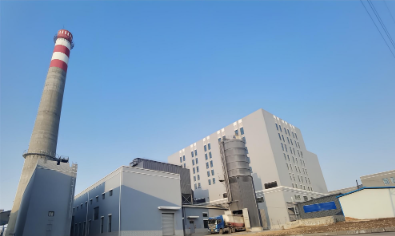
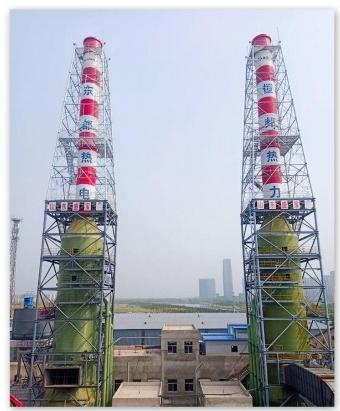
Metallurgy, building materials, power, light industry, chemical, and solid waste industries.