Process Principle
The SCR/SNCR combined denitrification technology leverages the advantages of low process investment and high denitrification efficiency, integrating the SNCR process of injecting reducing agent into the furnace with the SCR process that utilizes escaped ammonia for catalytic reaction to further remove NOx. The hybrid denitrification process uses urea as the absorbent, effectively combining a special SNCR process in the furnace with a compact downstream SCR denitrification reactor.
Chemical Principle
CO(NH2)2+ 2NO→ 2N2+CO2+2H2O
CO(NH2)2+ H2O→2NH3+CO2
NO+NO2+2NH3→2N2+3H2O
4NO+4NH3+O2→4N2+6H2O
2NO2+4NH3+O2→3N2+6H2O
Main Process System Equipment and Functions
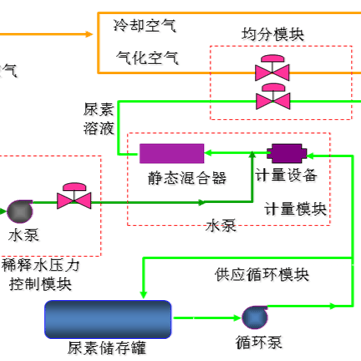
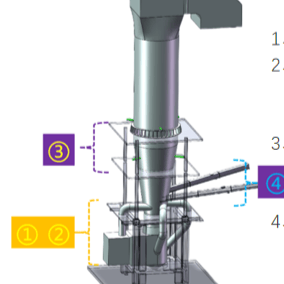
1. Reducing Agent Storage and Preparation System: The total storage capacity of the storage system is designed based on the total consumption over 5 days under BMCR conditions of the boiler denitrification unit;
2. Metering, Distribution, and Conveying System: The metering and distribution system is equipped with filters to prevent equipment blockage;
3. Injection System: The reducing agent is injected into the furnace through spray guns at the appropriate temperature window;
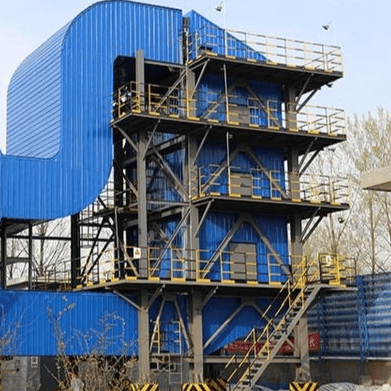
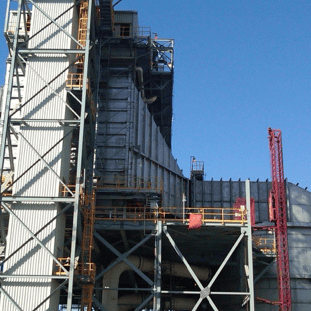
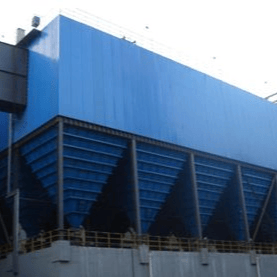
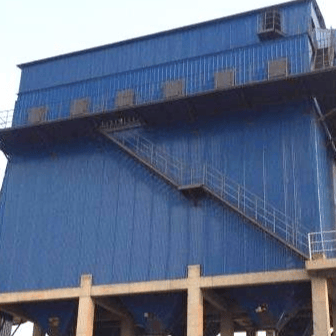
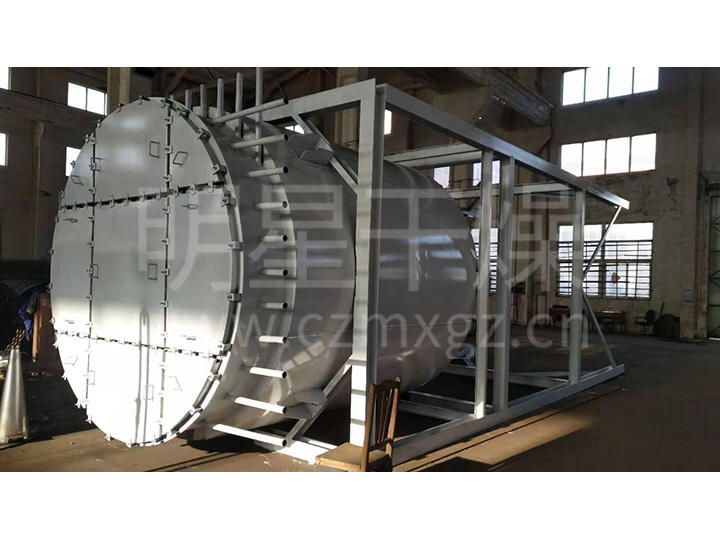
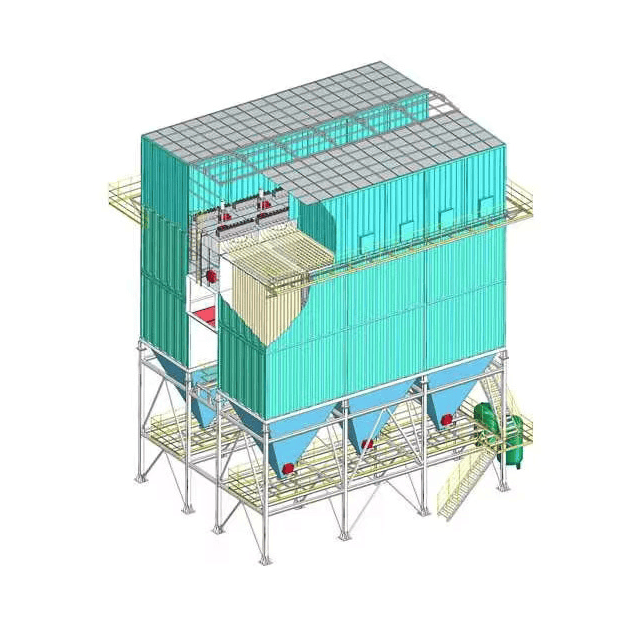
4. Denitrification Reactor: The reactor body is the most critical part of the denitrification unit, with a rectangular cubic shape, side plates forming the four walls and creating the shell, with catalysts arranged inside the shell;
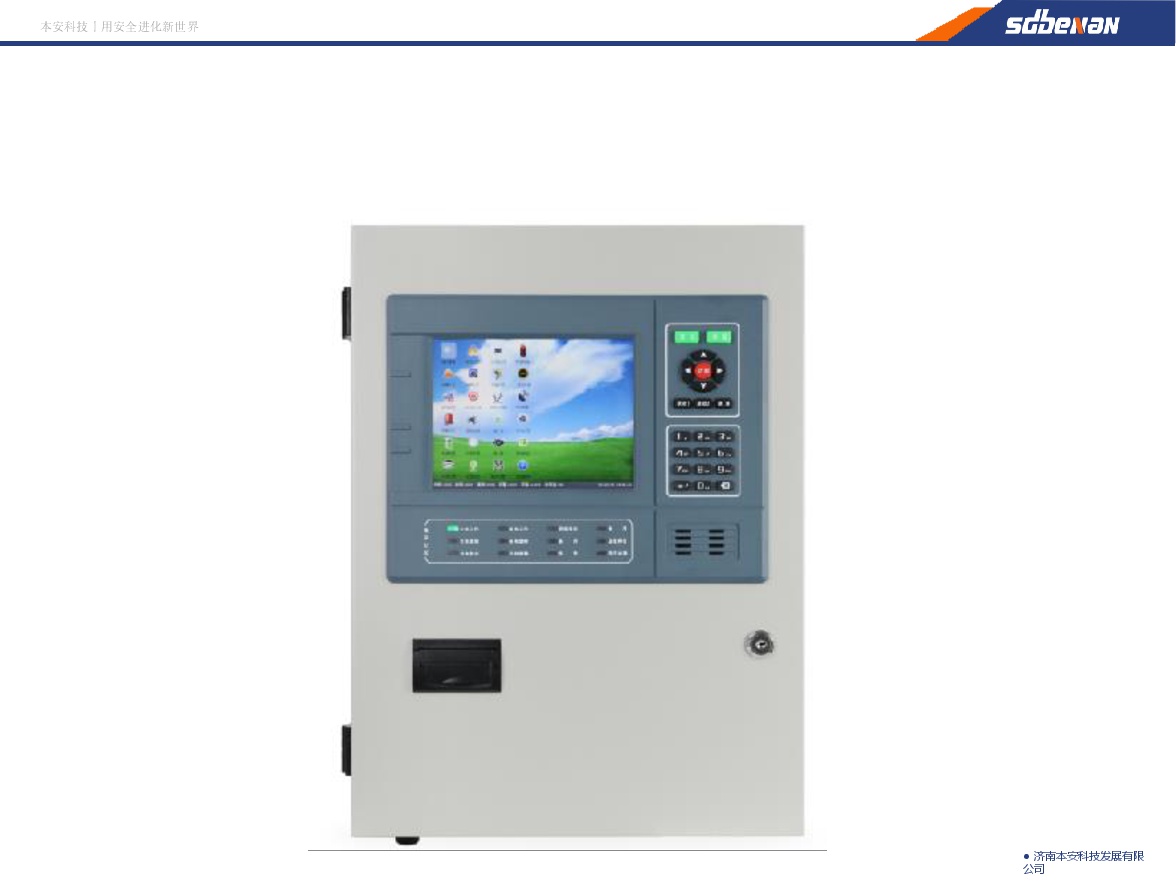
5. Electrical Control System: Equipped with a complete and independent instrumentation and control system.