

Overview
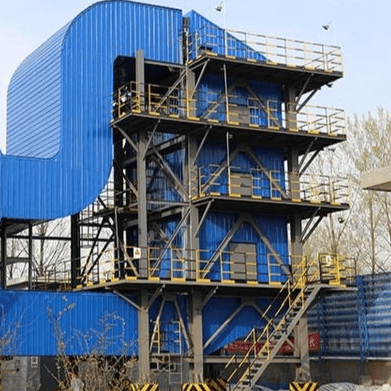
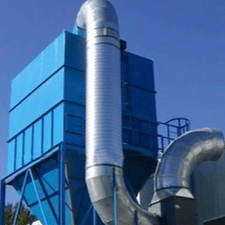
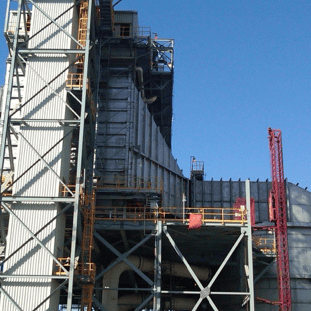
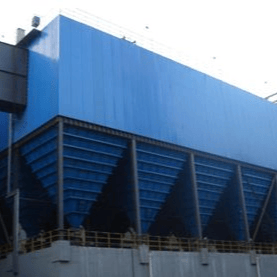
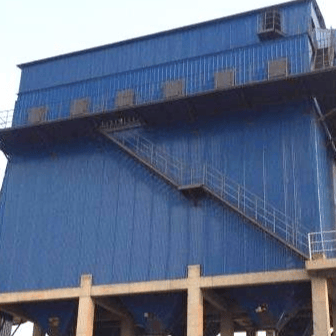
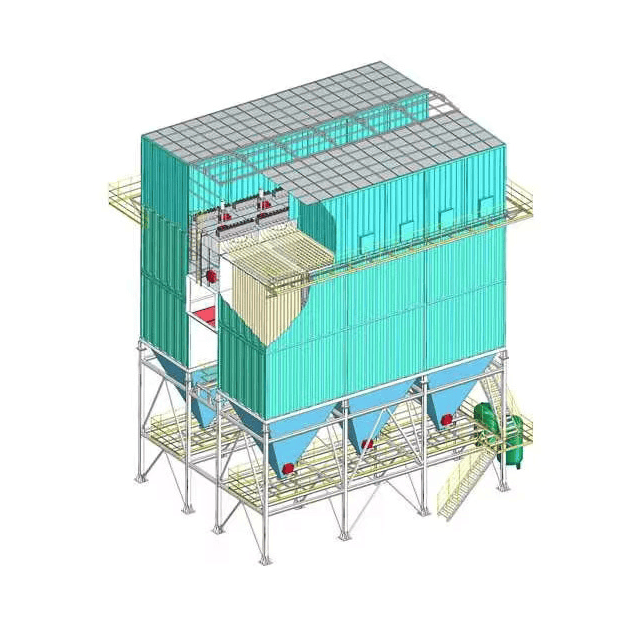
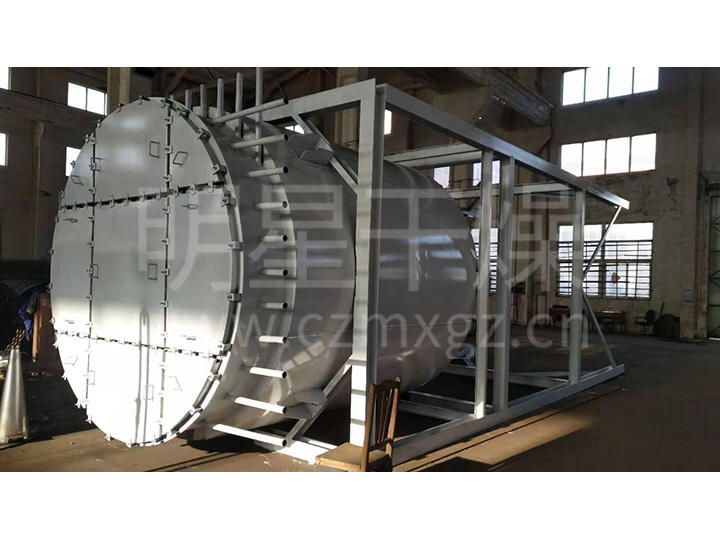
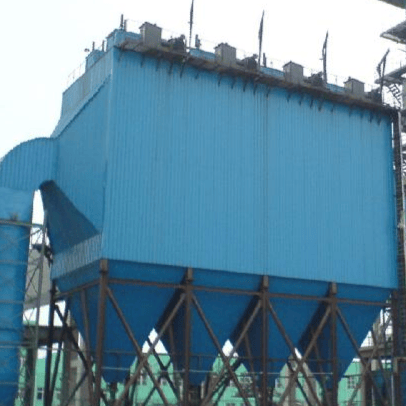
The SYE series electrostatic precipitator is a horizontal electrostatic precipitator designed based on the characteristics of domestic and international electrostatic precipitators, combined with our company's years of experience in manufacturing electrostatic precipitators.
Working Mechanism
An electrostatic precipitator maintains an electrostatic field sufficient to ionize gas by applying high-voltage direct current between a metal anode and cathode with significantly different radii of curvature. The electrons, anions, and cations produced by gas ionization are adsorbed onto the dust passing through the electric field, giving the dust particles an electric charge.
Dust particles with different charge polarities move toward electrodes of opposite polarity under the action of the electric field force and deposit on the electrodes, thereby achieving the separation of dust from the gas. A portion of the charged dust in the corona region and in close proximity to it carries a polarity opposite to that of the corona electrode and deposits on the corona electrode. Due to the small extent of the corona region, the amount of dust deposited there is minimal. The vast majority of dust outside the corona region carries a charge of the same polarity as the corona electrode and deposits on the collecting electrode plates.
Main Components
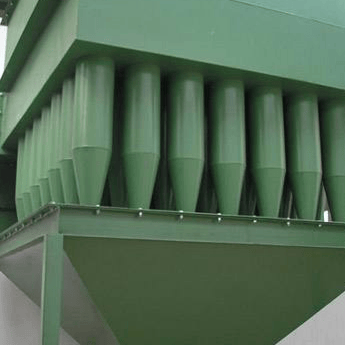
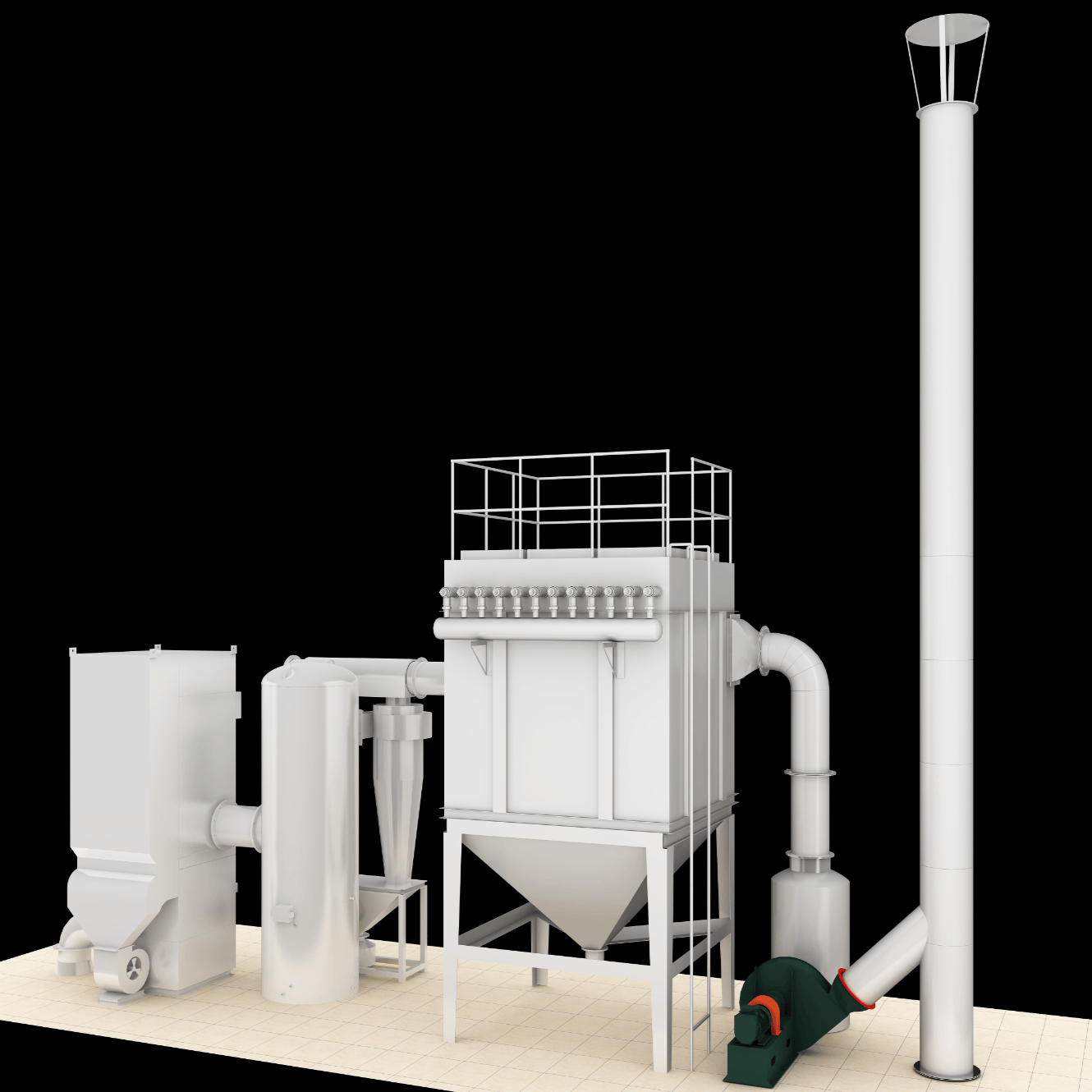
The system mainly consists of the flue gas inlet and outlet system; the casing; the cathode system, comprising the cathode frame, cathode anvil beam, cathode suspension, heating and insulation box system, and anti-sway device; the anode system, comprising the plate rows, rapping anvils, and anti-sway device; the cathode system support insulators or insulating shafts; the anode and cathode rapping systems; the hopper system; stairways and platforms; high-voltage disconnectors, high- and low-voltage power supply devices, and the low-voltage control system.
Flue Gas Treatment Capacity Range
30,000 ~ 4,000,000 m3/h, with a dust collection efficiency of 95% ~ 98.5%.
Applicable Industries
Electric power, metallurgy, building materials, light industry, chemical industry, non-ferrous metals, and other industries.