

Overview
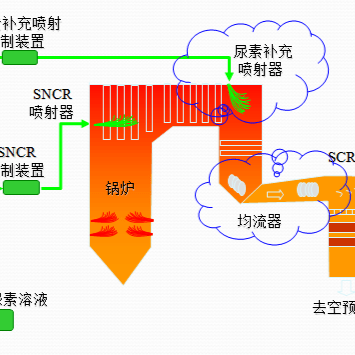
The SCR denitrification reactor is a device used to reduce nitrogen oxide (NOx) emissions from flue gas, achieving high-efficiency denitrification through Selective Catalytic Reduction (SCR) technology. SCR technology utilizes a catalyst to facilitate the reaction between a reducing agent (typically ammonia) and NOx in the flue gas in the presence of oxygen, producing harmless nitrogen and water, thereby reducing NOx emissions. This technology offers advantages such as no by-products, no secondary pollution, simple device structure, high removal efficiency (up to 90% or more), reliable operation, and ease of maintenance.
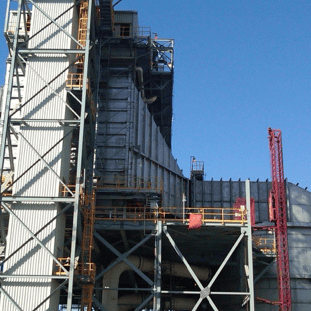
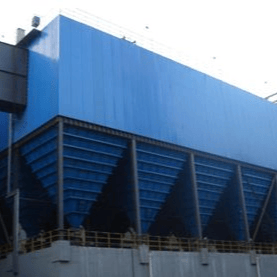
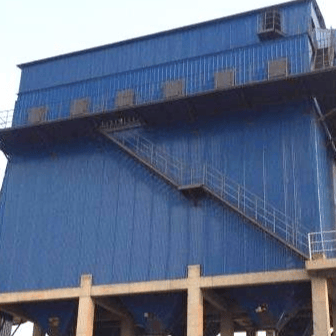
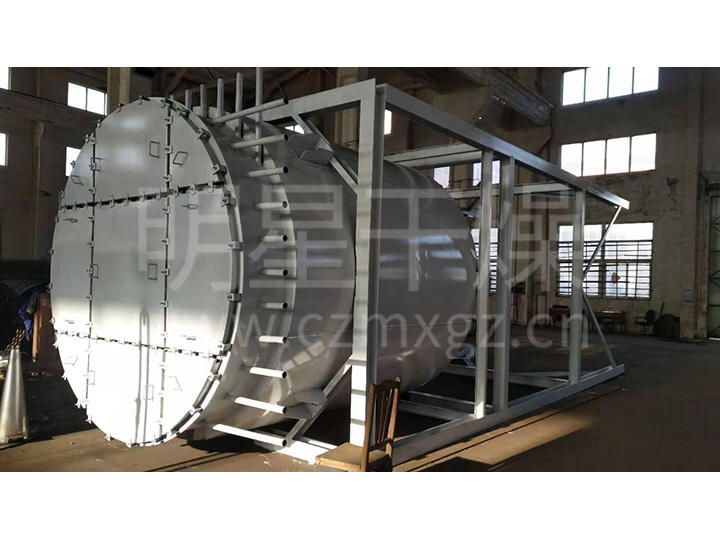
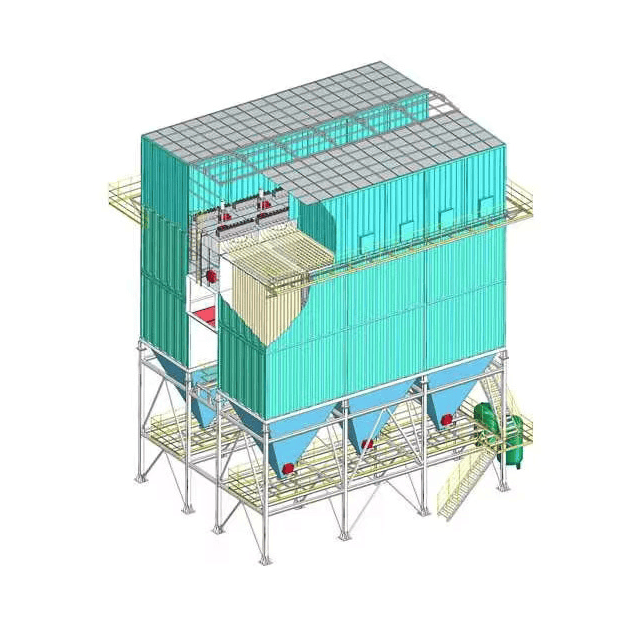
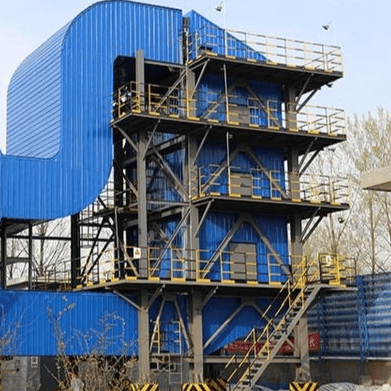
The SCR denitrification reactor mainly consists of the reactor body, steel support and stair platform, soot blowing system, and internal flow distribution device. The reactor cross-section is reasonably designed based on the flue gas volume to ensure optimal flue gas velocity, thereby guaranteeing reaction efficiency. The reactor generally has a multi-layer structure, divided into an initial catalyst layer and a reserved layer.
Working Mechanism
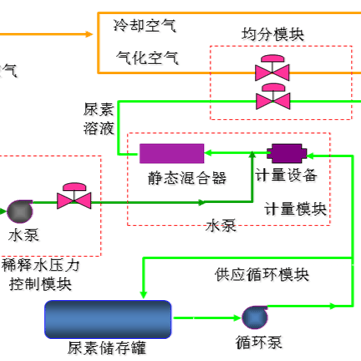
Ammonia gas, as the denitrification agent, is injected into the high-temperature flue gas denitrification device, where, under the action of the catalyst, NOx in the flue gas is decomposed into N2 and H2O. The reaction formulas are as follows:
(1) Main reactions
NO+NO2+2NH3→2N2+3H2O
4NO+4NH3+O2→4N2+6H2O
2NO2+4NH3+O2→3N2+6H2O
(2) Side reaction
2SO2O2→2SO3
Gas Flow Rate
10,000 ~ 3,000,000 m3/h, with outlet emission concentration as low as 5 mg/Nm3
Applicable Industries
Flue gas from boilers and kilns in industries such as power, metallurgy, building materials, light industry, chemical, steel, and coking.