

As environmental protection policies impose increasingly stringent requirements on nitrogen oxide emissions and desulfurization treatment of industrial exhaust gases, flue gas purification and emission (desulfurization, denitrification, and dust removal) has become an environmental protection task for industrial enterprises. Desulfurization and denitrification catalysts have certain temperature requirements for flue gas, while the tail gases emitted by industrial processes (steel plant sintering flue gas, coke oven flue gas, industrial kiln exhaust gas, etc.) cannot reach the temperatures required for desulfurization and denitrification. Therefore, a flue gas heating hot air system is needed to supplement heat to the flue gas.
Process Principle:
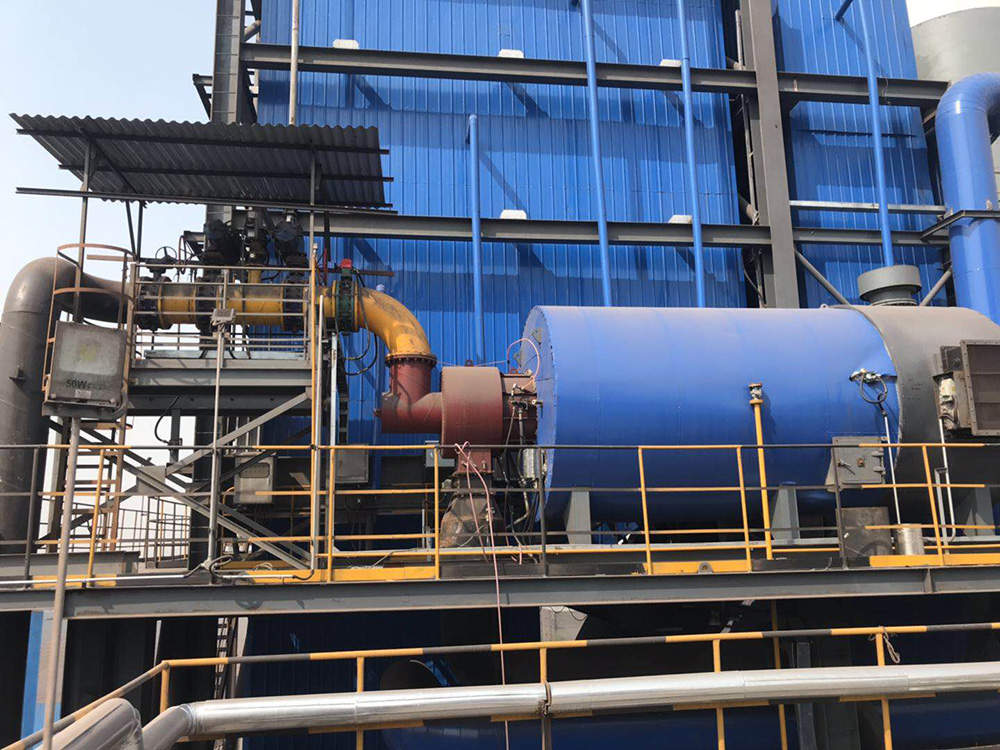
After combustion in the combustion chamber of the hot blast furnace, the fuel gas is mixed with dilution air in the mixing chamber of the hot blast furnace (the dilution air can be either raw flue gas or air) to form hot air at 600–1000°C (designed according to user requirements). Under the negative pressure at the furnace outlet, the hot air enters the mixing chamber of the user's main flue duct, where it mixes with a large volume of low-temperature raw flue gas in the main flue duct to reach the temperature required by the user's downstream desulfurization and denitrification equipment. The flue gas then enters the desulfurization and denitrification equipment, and after being treated to meet standards, is discharged into the environment through the chimney. This hot air system can also be used for supplementing heat to flue gas during catalyst regeneration in desulfurization and denitrification processes. (Note: Depending on the fuel type and on-site process layout, a direct combustion method may also be adopted, in which a burner with a combustion channel is installed directly on the main flue duct for flue gas heat supplementation.)
The supplementary heating fuel can be selected according to on-site conditions, including combustible gases such as blast furnace gas, coke oven gas, natural gas, calcium carbide tail gas, and producer gas, as well as liquid fuels such as diesel.
Composition:
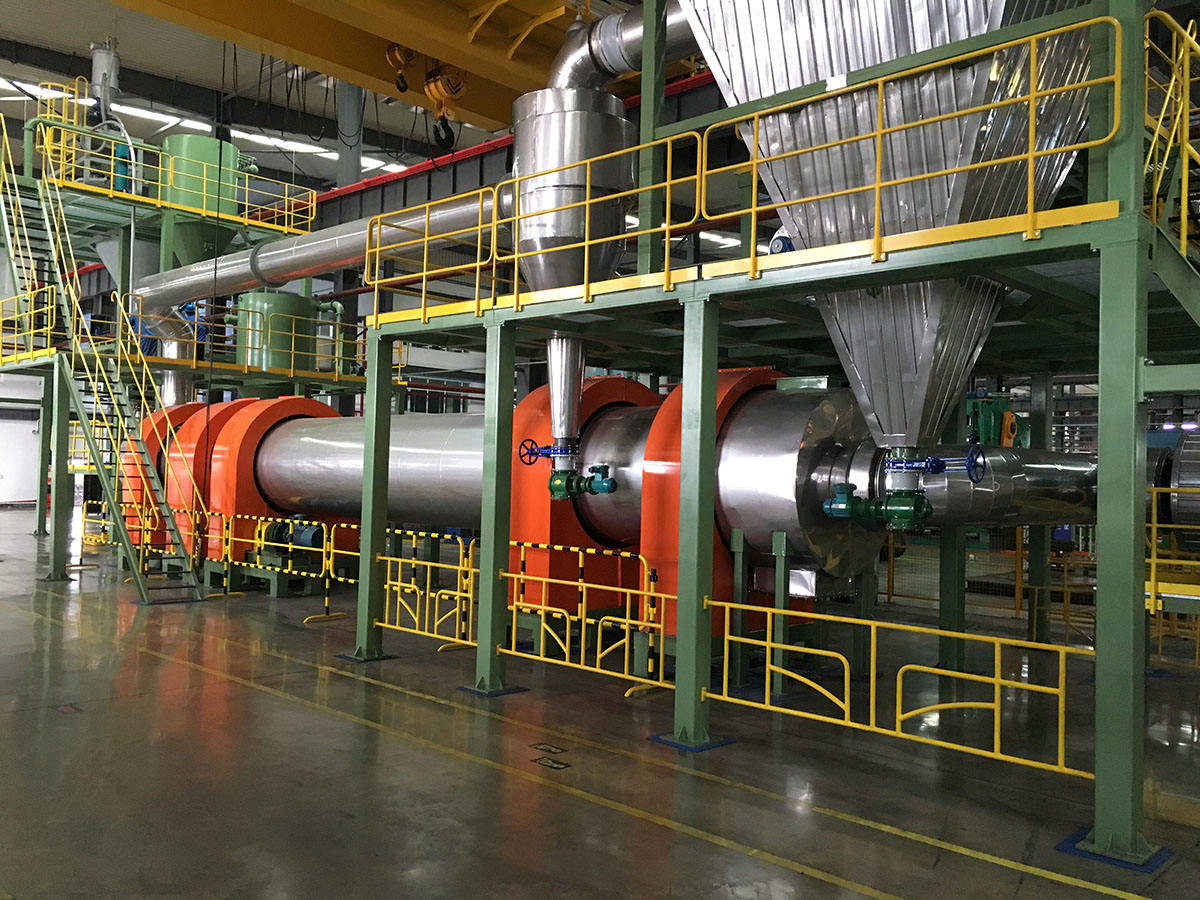
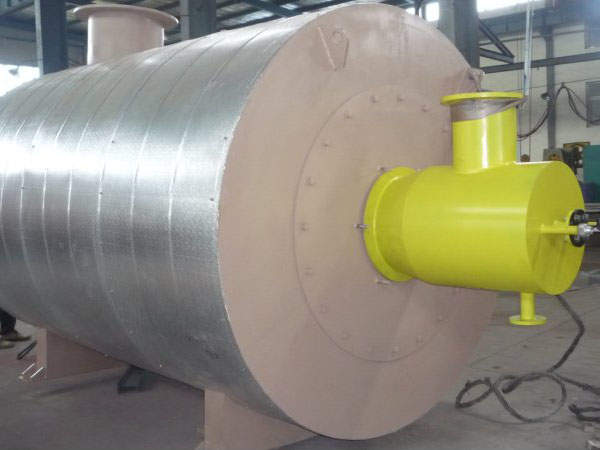
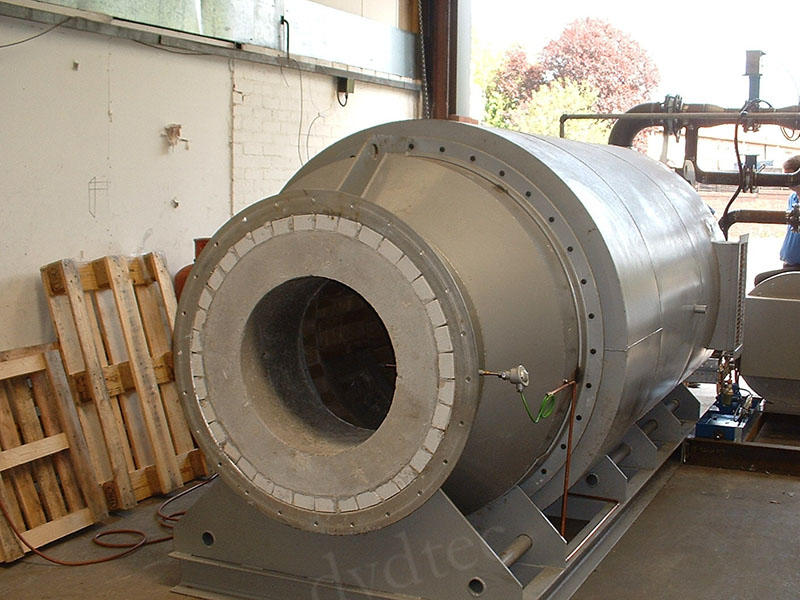
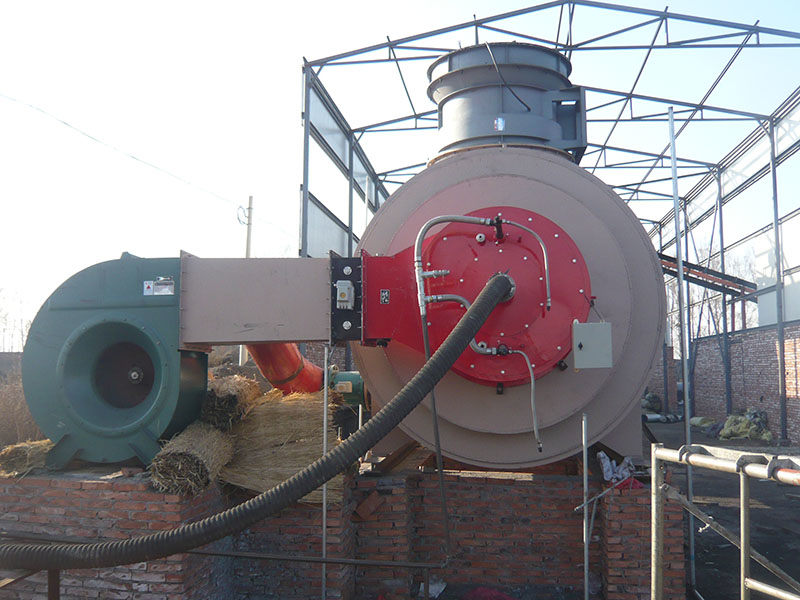
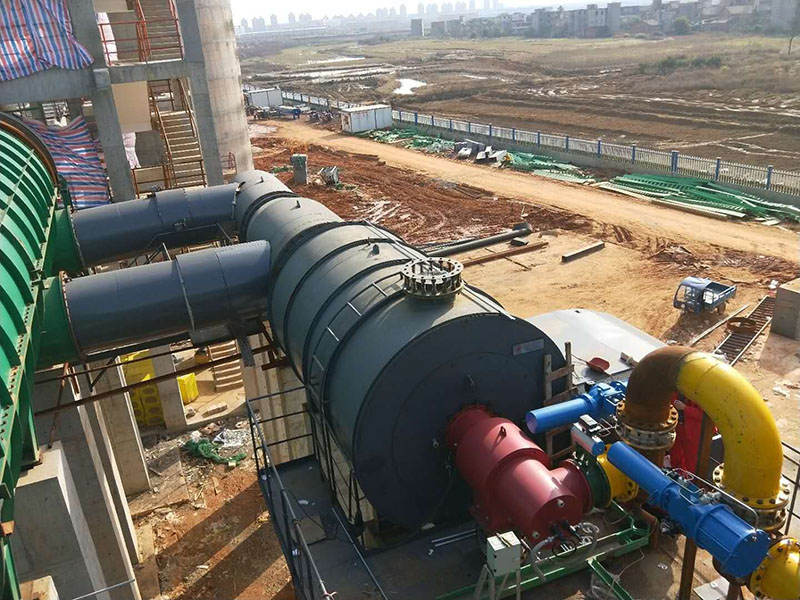
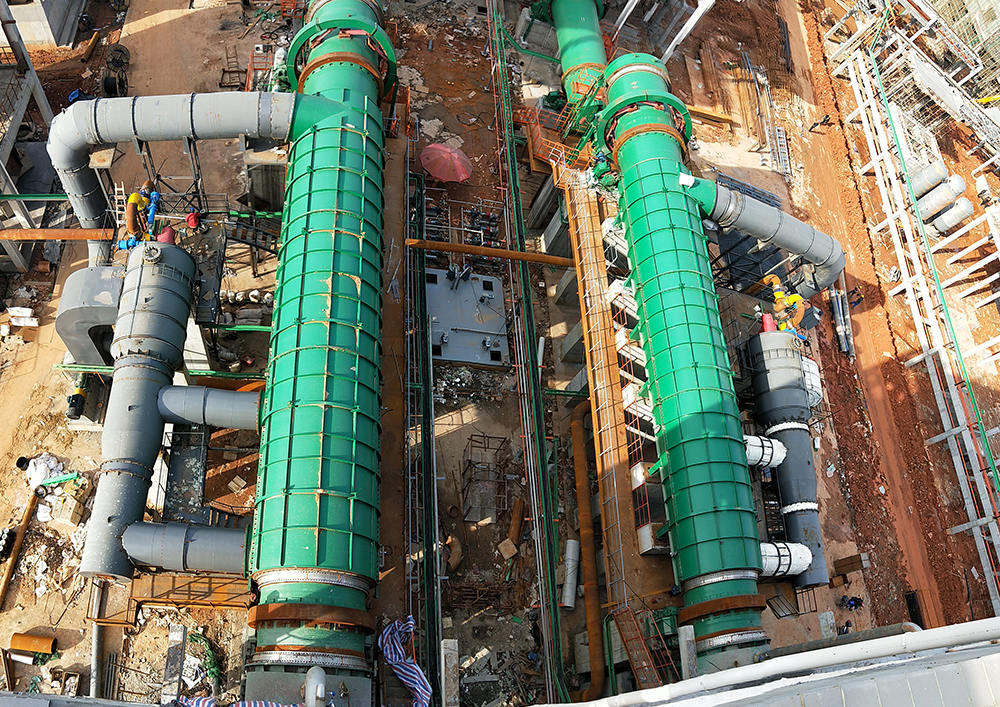
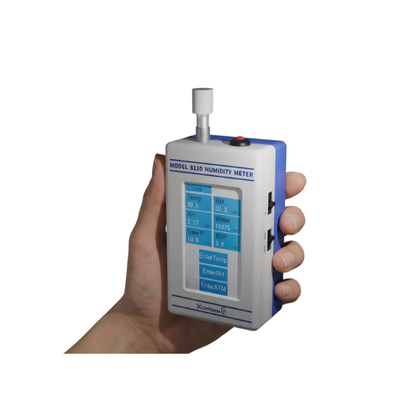
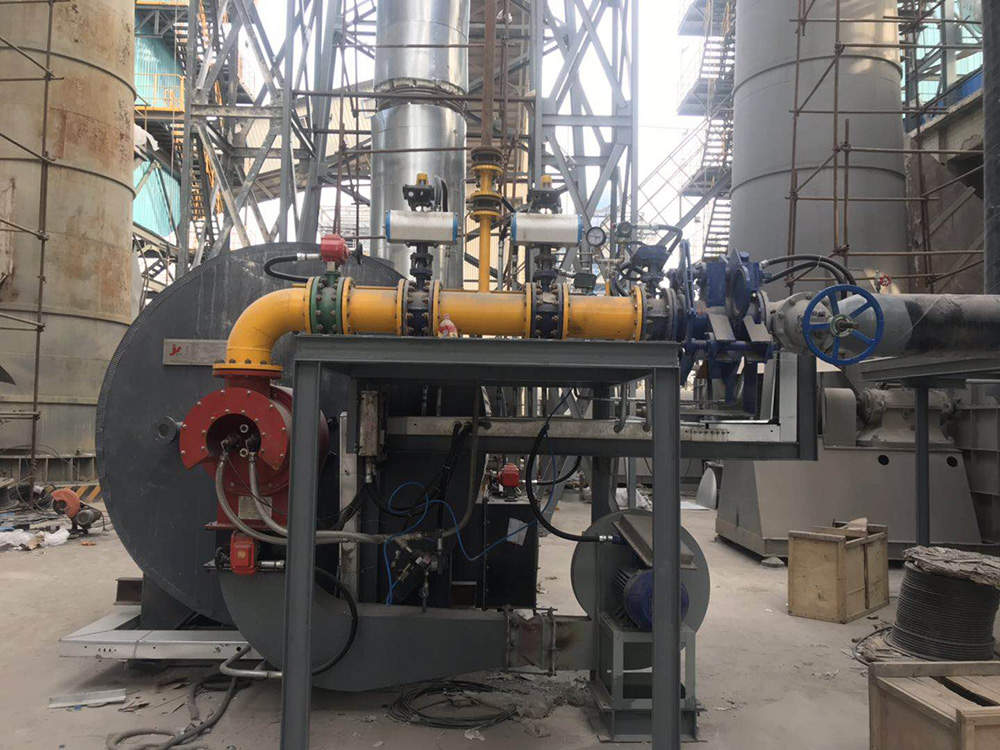
The flue gas heating and heat supplementation hot air system mainly consists of a gas-fired hot blast furnace, burner, combustion-supporting fan, circulating dilution fan (optionally configured according to process design), gas flow valve group piping, ignition piping, measuring instruments and other equipment and structural components, as well as an automatic control system. With the mixed flue gas temperature (or the temperature inside the desulfurization and denitrification tower) as the target, the gas volume and combustion-supporting air volume are automatically adjusted. When the volume and temperature of the flue gas being heated change, the required heat can be adjusted at any time to meet the requirements of different on-site operating conditions.