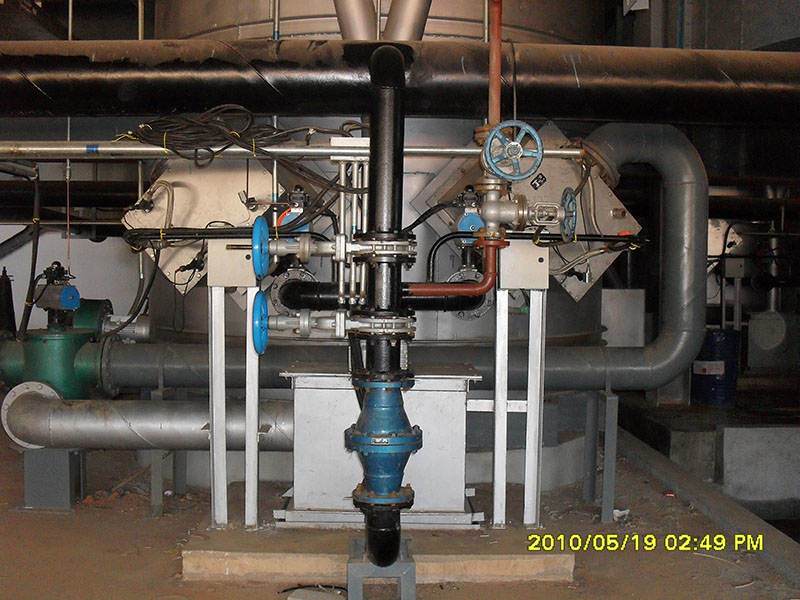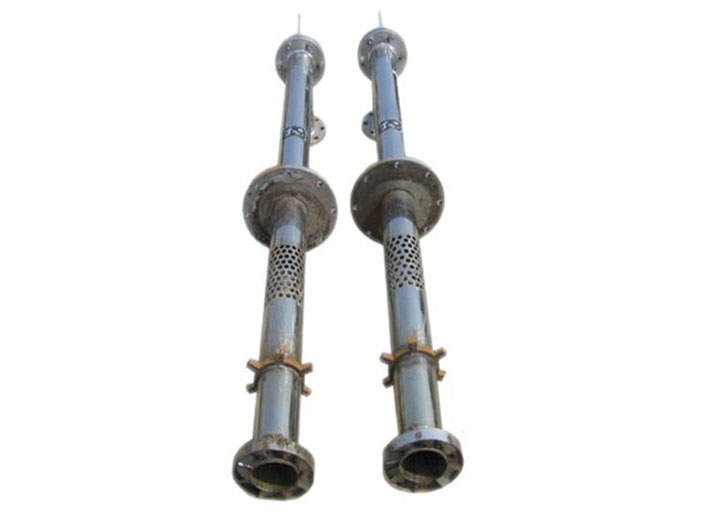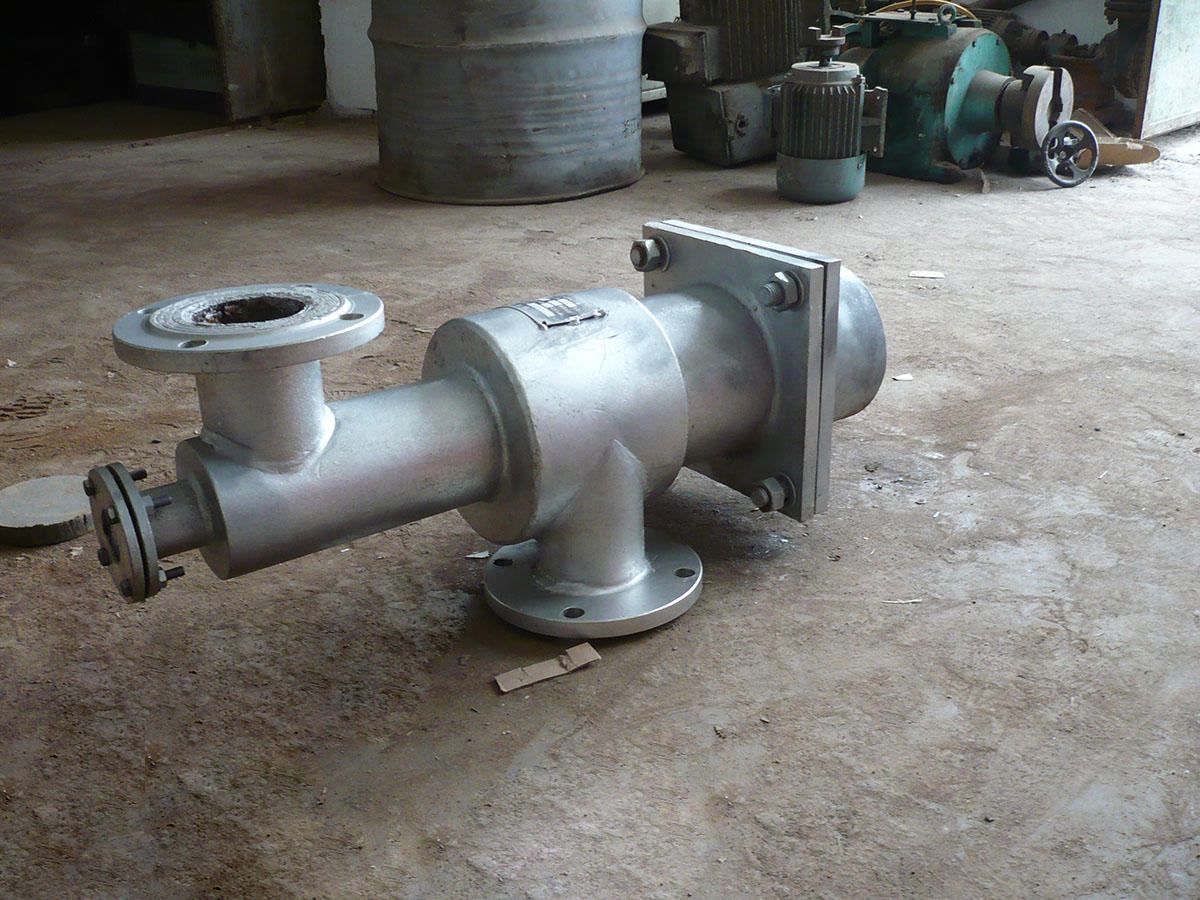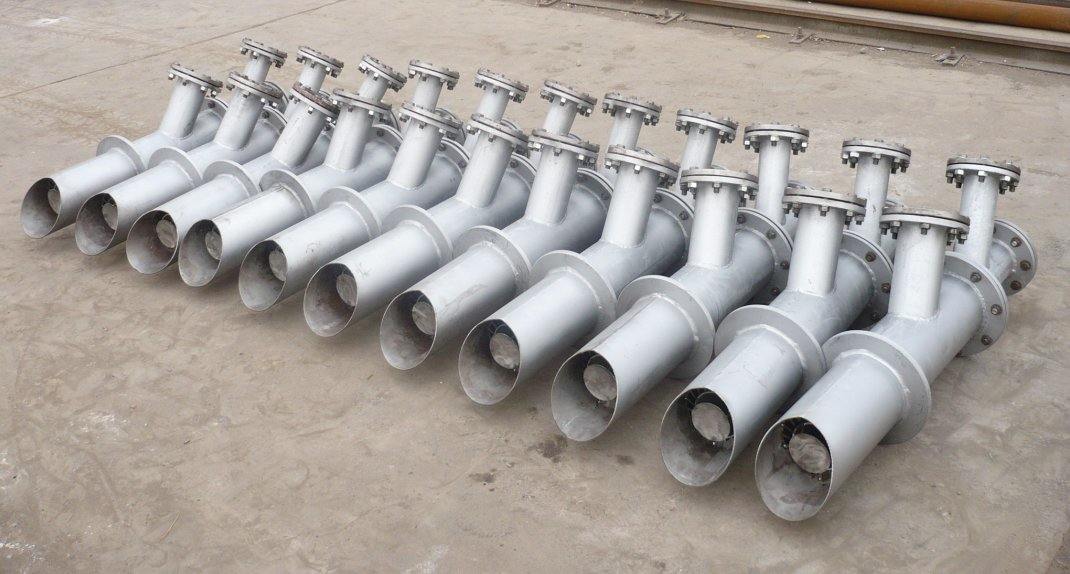


Heat Treatment Furnace:
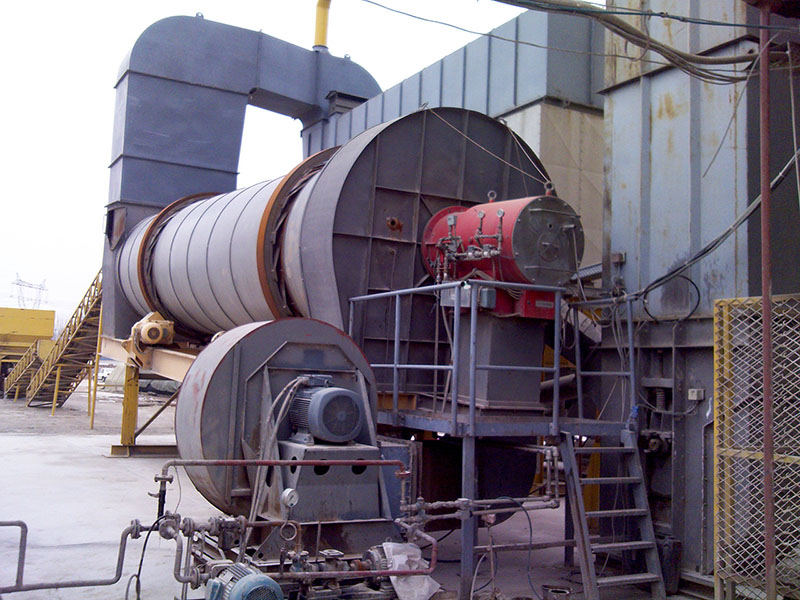
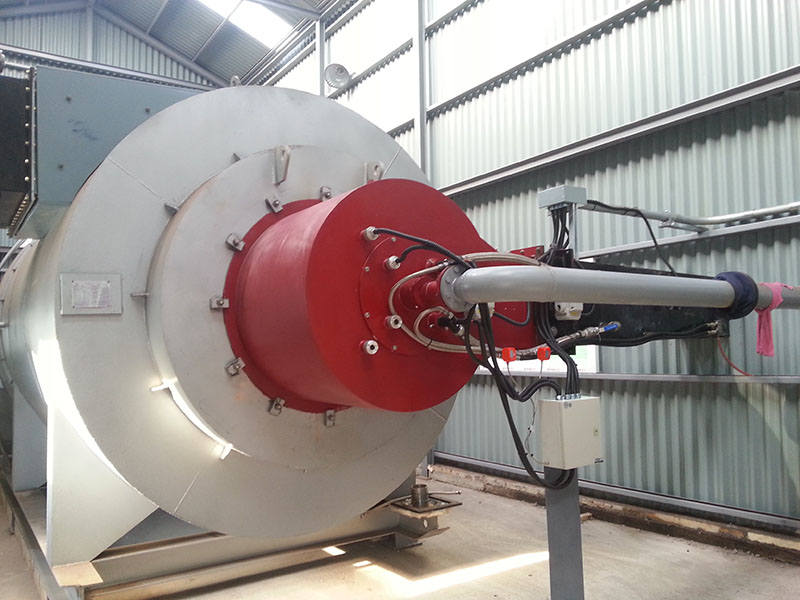
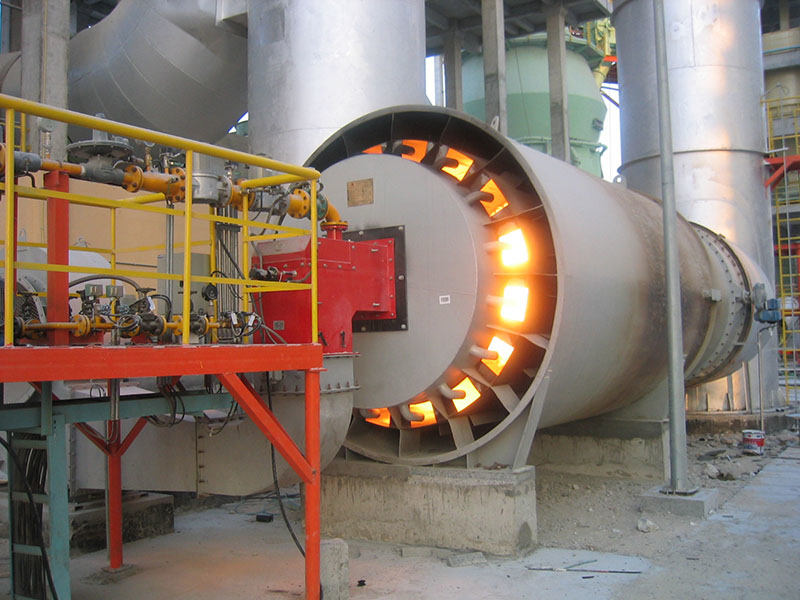
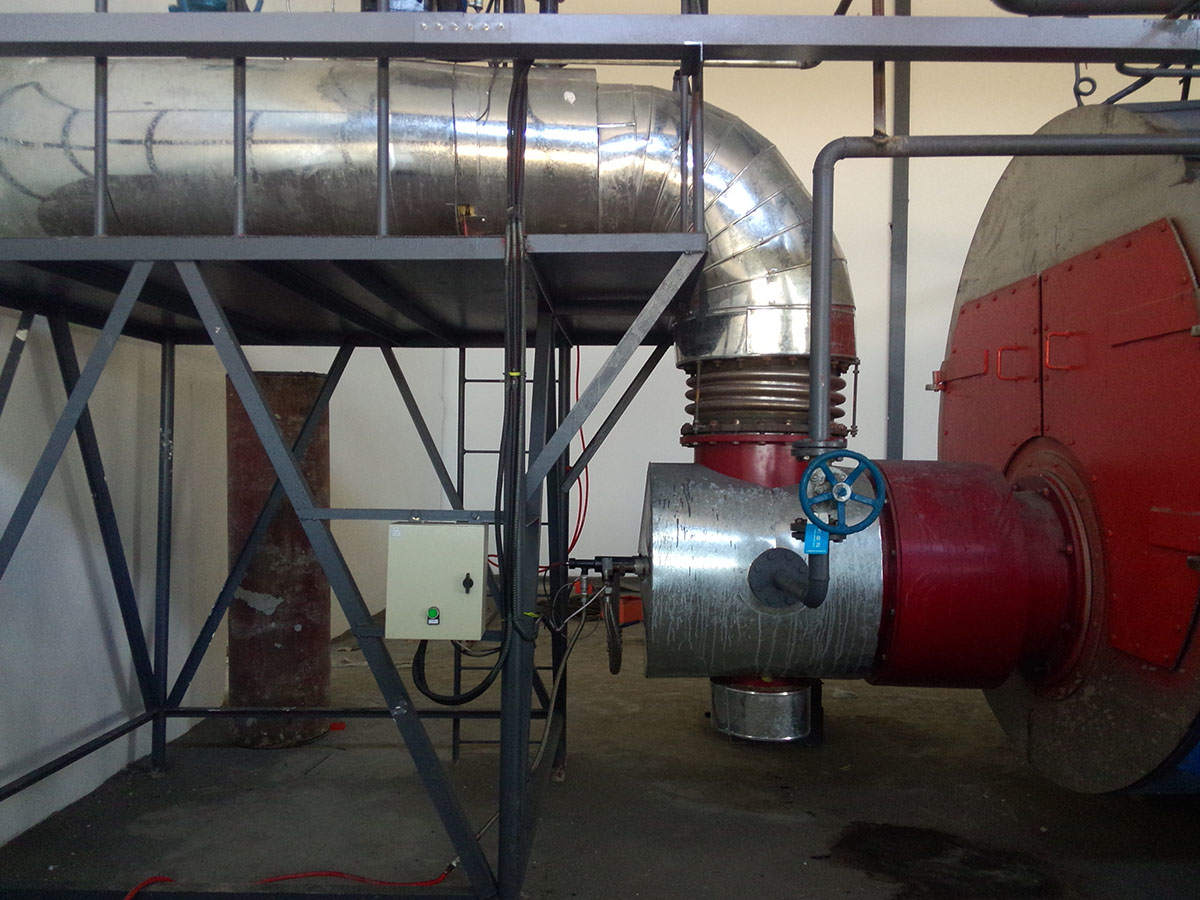
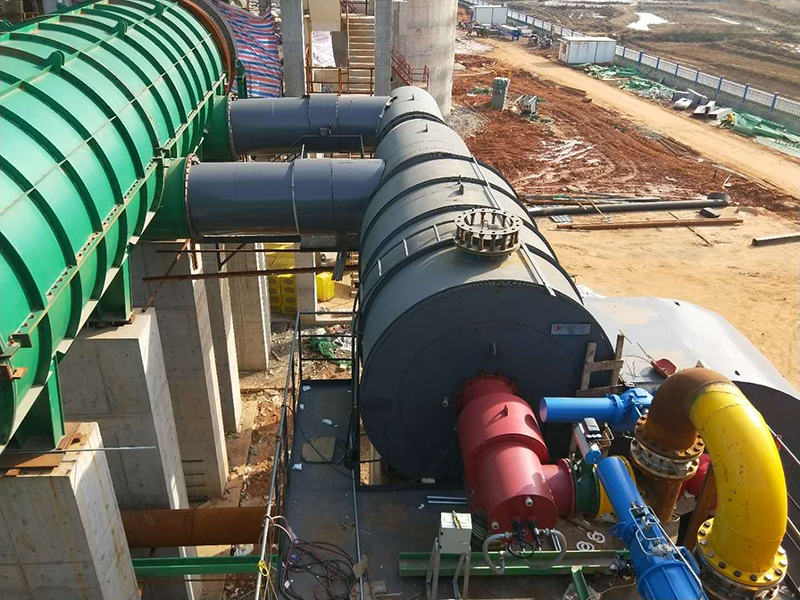
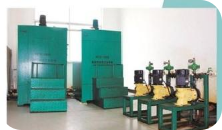
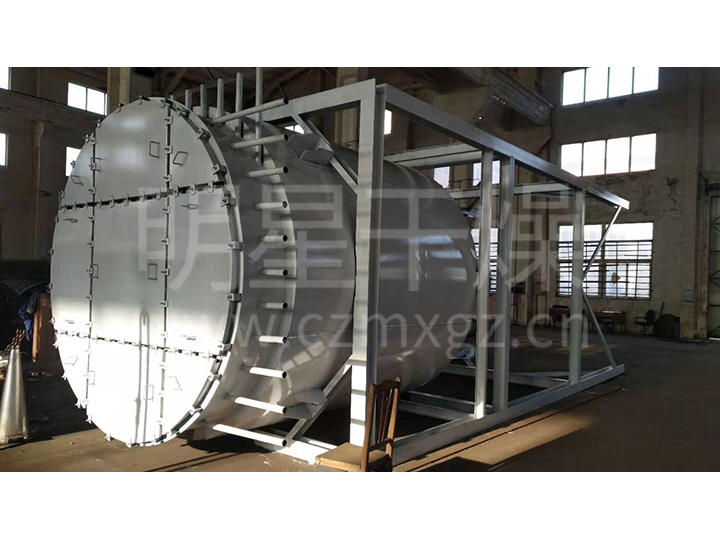
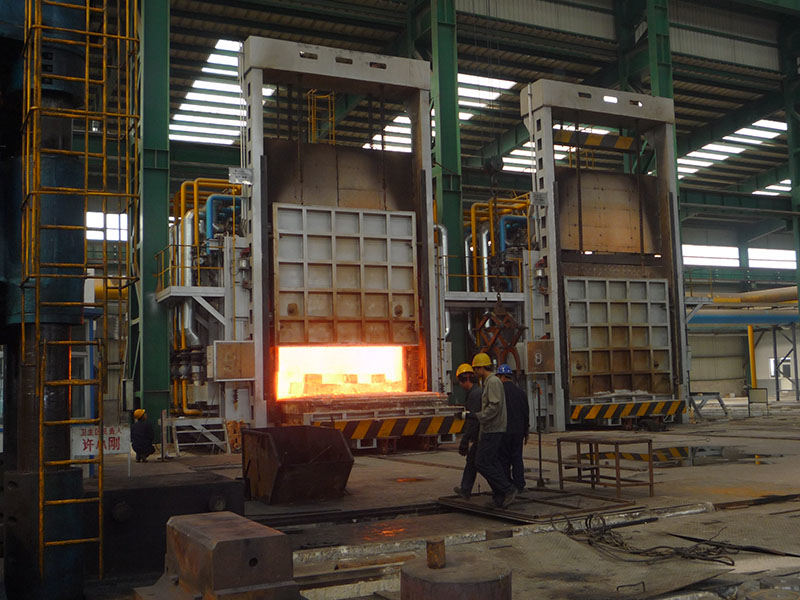
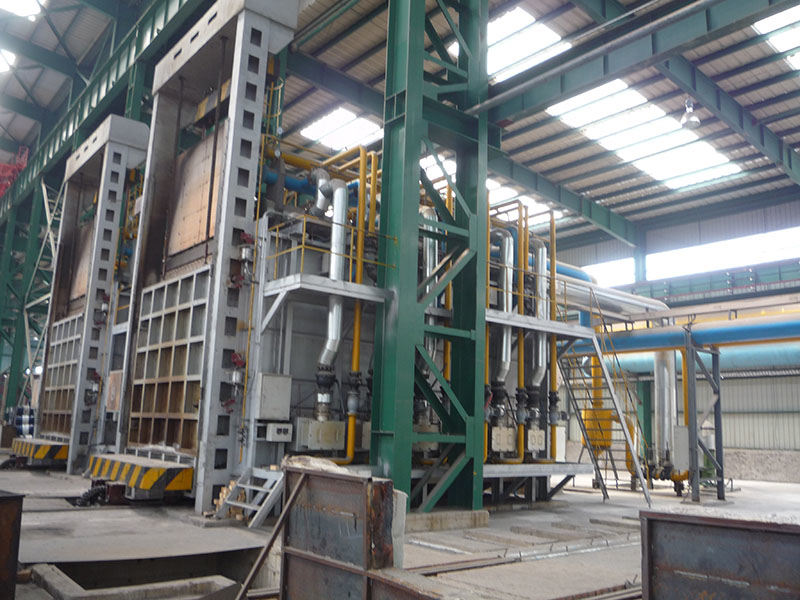
Heat treatment is a metal thermal process in which metal materials are heated, held, and cooled in a certain medium to control their properties by changing the metallographic structure on the surface or inside the material. A heat treatment furnace is a general term for industrial furnaces that perform various heat treatments on metal workpieces, and its temperature is generally lower than that of a heating furnace. As one type of the many industrial furnaces and kilns, a heat treatment furnace mainly determines the heat treatment process according to the workpiece to be heated, thereby determining the furnace temperature control curve. Modern heat treatment, especially chemical heat treatment processes, is becoming increasingly complex, and there are many types of heat treatment furnaces. For continuous heat treatment processes, a suitable continuous heat treatment furnace must be equipped; for batch heat treatment processes, forced circulation controlled atmosphere and mechanization and automation of the furnace must be adopted. The structure of a heat treatment furnace consists of the furnace body, heating device, simple trolley, material rack, control system, and other parts.
Application Fields:
It is mainly used in quenching, annealing, tempering, and other processes in mechanical manufacturing, as well as in metal hot working such as steel rolling and forging, and in the overall manufacturing stress of workpieces.
Performance Features:
1. Wide applicability to fuel types; heat treatment furnaces can be built to burn fuels such as blast furnace gas, coke oven gas, converter gas, mixed gas, producer gas, natural gas, petroleum liquefied gas, heavy oil, diesel, waste, and pulverized coal.
2. Non-standardized design with strong pertinence, capable of meeting the needs of different users.
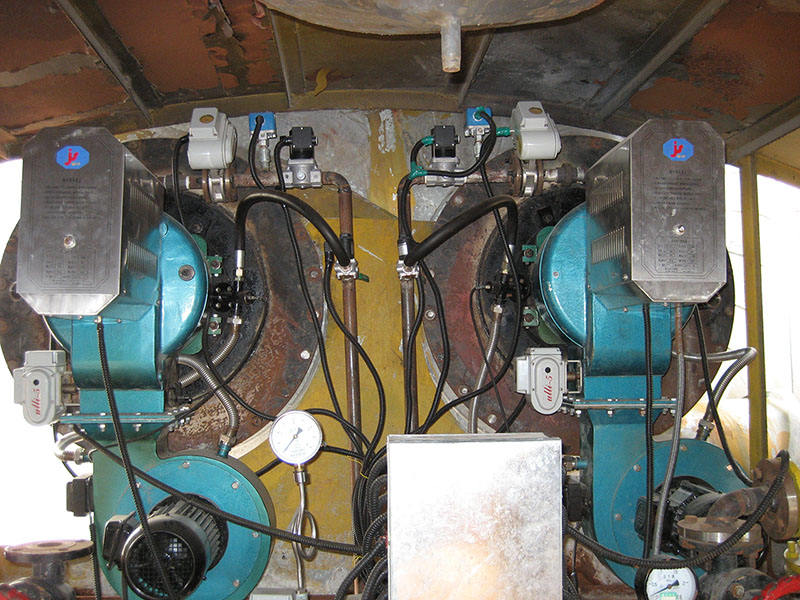
3. Various types of burners can be equipped according to the furnace structure and site conditions to achieve combustion.
4. Furnace temperature and furnace atmosphere control ensure the accuracy of heat treatment of processed parts.
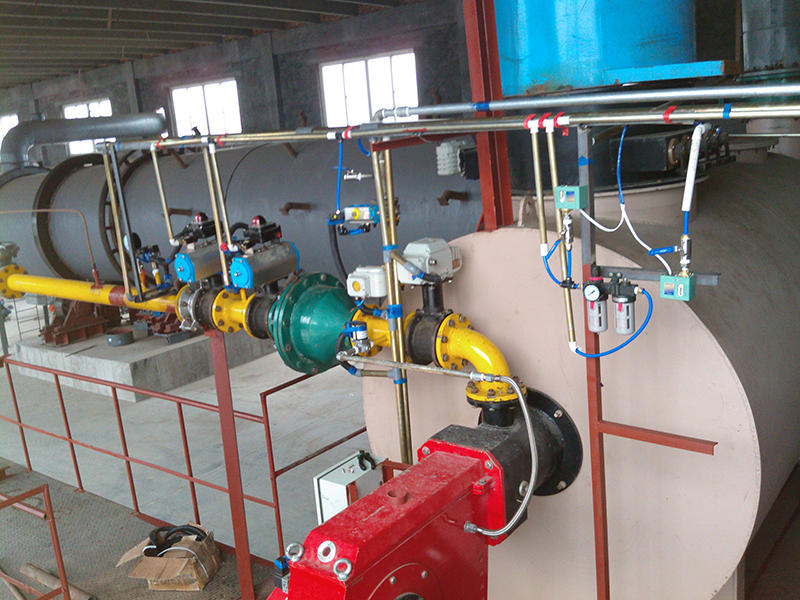
5. Fully automatic control, using imported electrical components, with high operational reliability and accuracy, and can be networked with industrial configuration networks for control.
6. According to the preset heat treatment curve, with the control point temperature as the target, the fuel and air supply are automatically adjusted, making control simple and convenient.
7. According to process requirements, air preheating combustion or regenerative combustion can be optionally equipped to ensure overall efficiency, high energy savings, and low-temperature flue gas emissions.