

Features and Applications
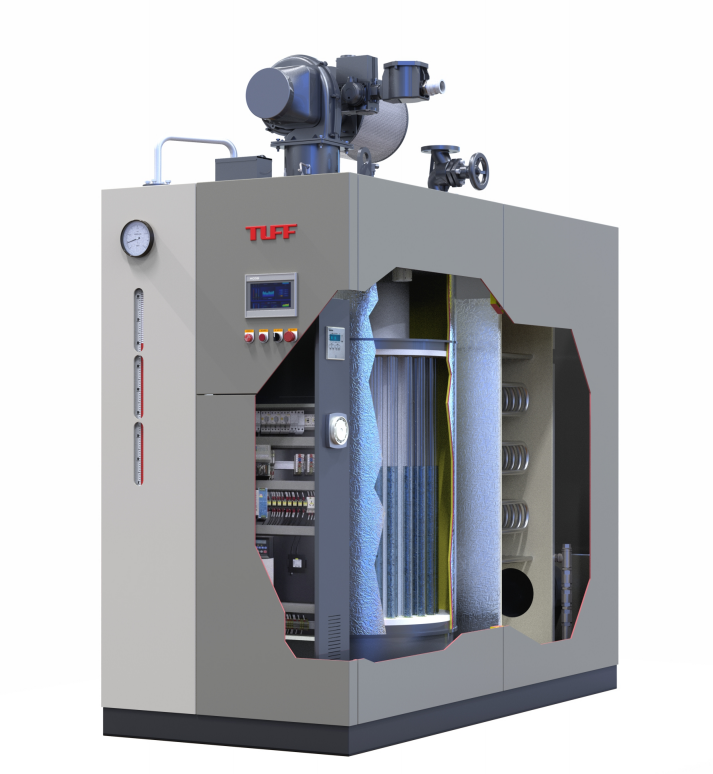
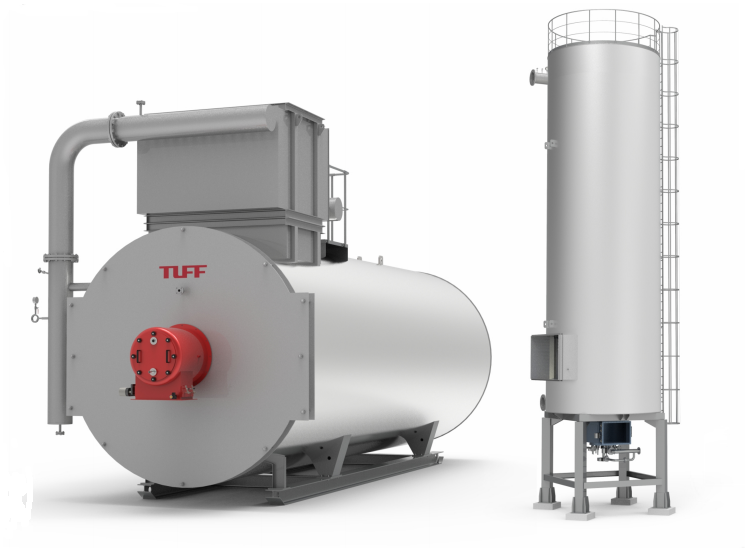
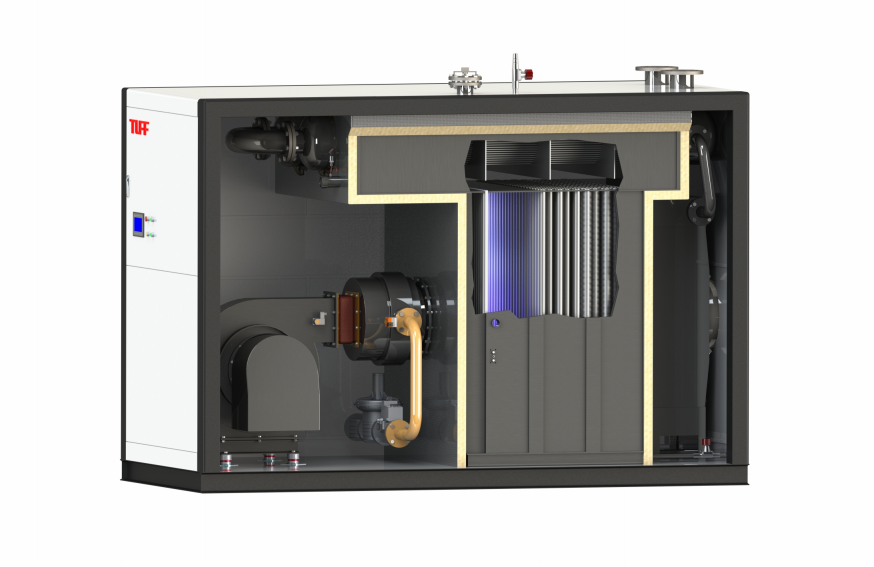
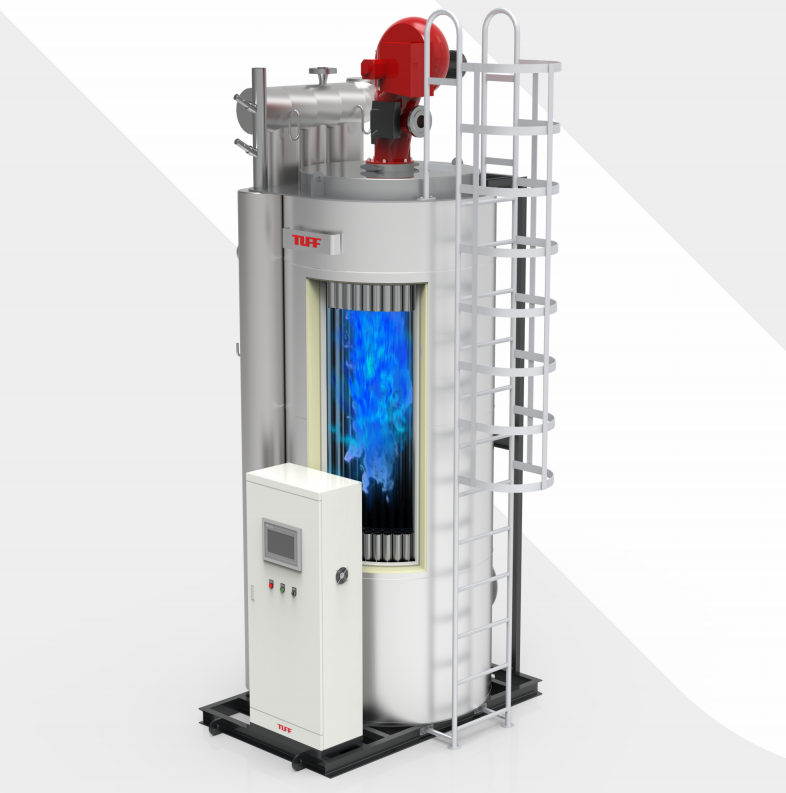
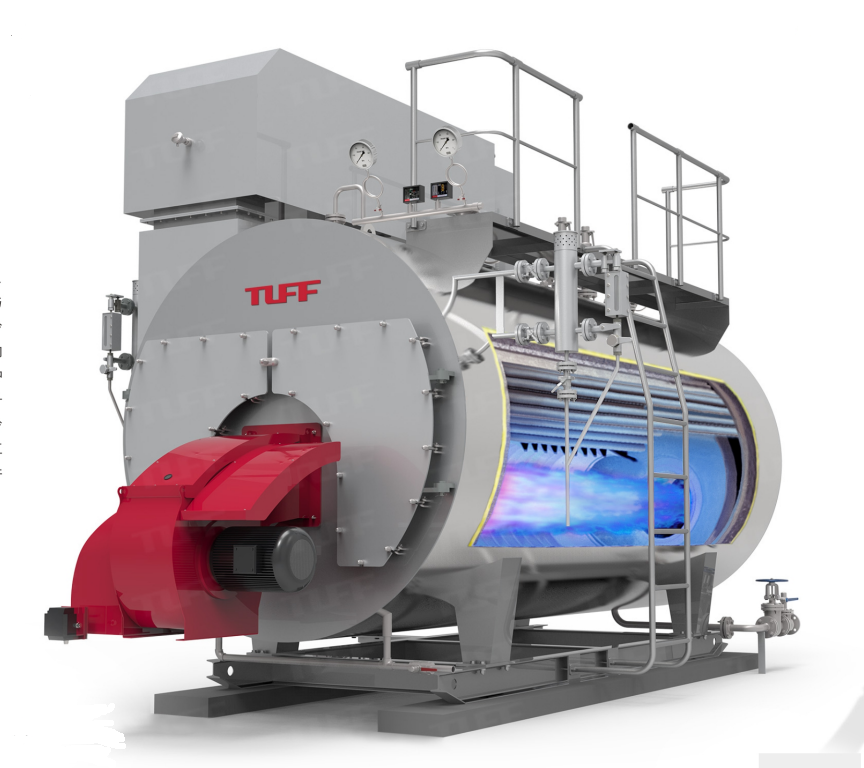
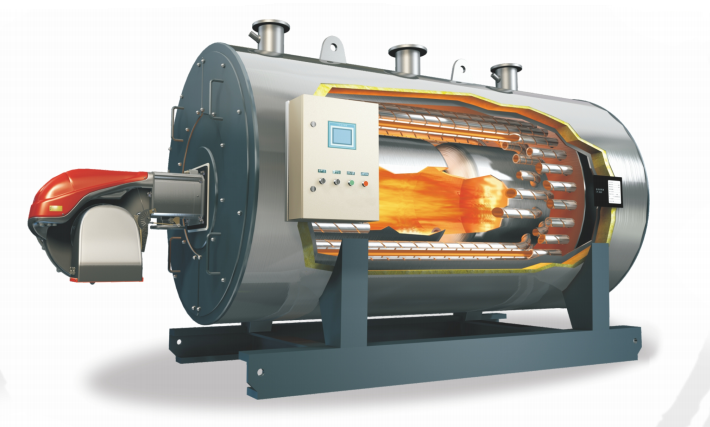
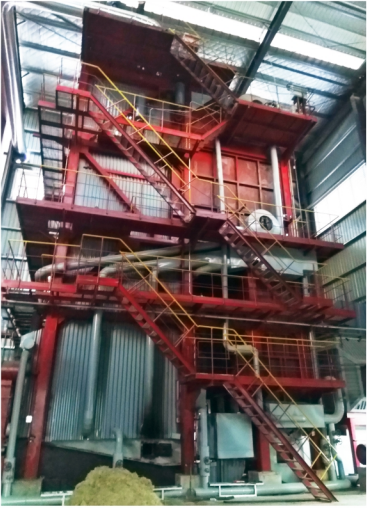
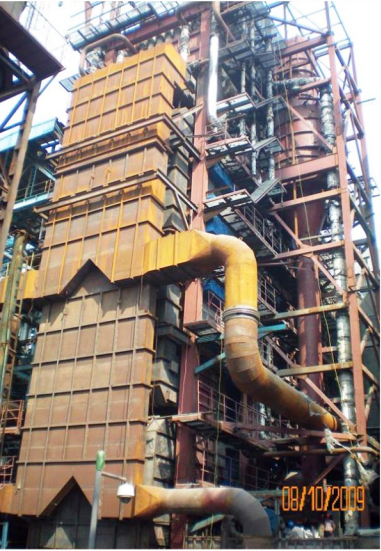
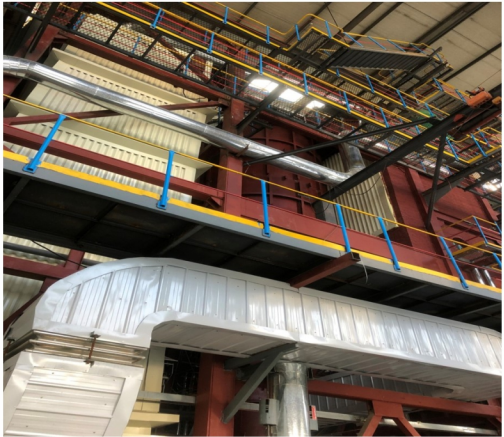
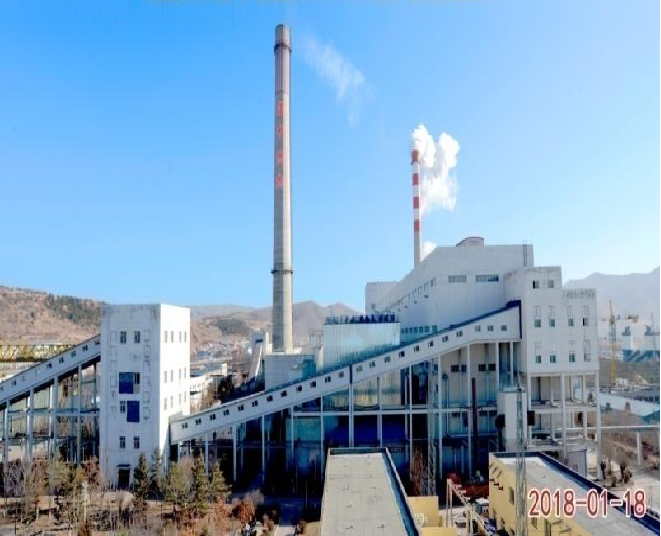
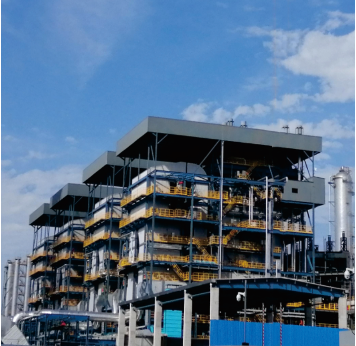
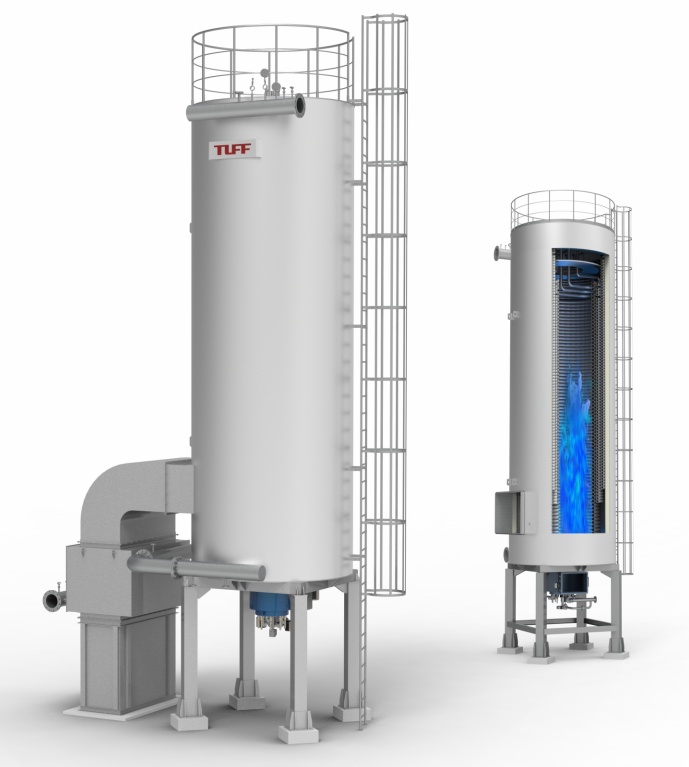
The TRY Series Molten Salt Heater is primarily used in concentrated solar power plants, flexible peak shaving for thermal power plants, molten salt energy storage, and industrial processes requiring high-temperature heating. This heater has broad application prospects and unique advantages in the high-temperature heating field.
-
Wide Temperature Range
- Capable of providing temperatures up to several hundred degrees Celsius or even higher, making it suitable for various high-temperature processes.
-
Environmental Friendliness
- Compared to traditional fuel-based heating, it produces fewer pollutants.
-
High Thermal Stability
- Due to the special properties of molten salt, the heater maintains stable performance even at high temperatures.
-
Strong Adjustability
- Allows for flexible adjustment of temperature and heat output according to process requirements.
-
High Heat Transfer Efficiency
- Molten salt has excellent heat transfer properties, enabling rapid and even heat distribution.
-
Energy Storage Capability
- Can be used for energy storage, releasing heat when needed, thereby improving energy utilization efficiency.
-
Relatively Low Operating Costs
- Although the initial investment may be high, the long-term operating costs can be relatively low.
-
High Reliability
- With a relatively simple structure, it is easy to maintain and has a long service life.
Molten Salt Thermal Energy Storage Application This technology utilizes molten salt as an energy storage medium, heated by solar energy or waste heat to produce steam that drives a generator. Excess energy is stored in the form of molten salt. This technology offers large energy storage capacity, broad applicability, and strong stability, making it suitable for large-scale, long-term, and stable energy supply needs.