Virgin Media O2 Launches Europe's First Starlink Direct-to-Smartphone Service to Enhance Mobile Network Coverage
On February 26, UK mobile operator Virgin Media O2 began rolling out satellite-to-smartphone connectivity services in the UK, marking the first commercial deployment of SpaceX's Starlink direct-to-cellular service in Europe. This initiative increases the UK's terrestrial mobile network coverage from 89% to 95%, expanding coverage by an area roughly equivalent to two-thirds the size of Wales, significantly improving communication connectivity in remote areas.
The Starlink direct-to-smartphone service is initially available only to users with specific Samsung Galaxy devices for an additional fee of £3 (approximately $4) per month. The operator plans to include this service for free in premium plans in the future to attract more users. In addition to supporting messaging and voice calls, the satellite link is also compatible with a limited number of applications, including Google Maps, WhatsApp, and Elon Musk's X platform, similar to the launch model of Starlink's direct-to-cellular service in the US and other countries.
Virgin Media O2, part of Spanish telecommunications giant Telefonica, modified its UK spectrum license after receiving regulatory approval to support satellite connectivity to standard smartphones. The UK telecom regulator Ofcom has also finalized rules enabling direct-to-device services, establishing a framework for satellite operators and carrier partners to use terrestrial mobile spectrum to expand coverage.
Similar to the space supplemental coverage framework adopted by the US Federal Communications Commission in 2024, the UK rules allow satellite services to operate on a secondary basis, meaning they must avoid causing interference to primary terrestrial or mobile satellite service users. Starlink has announced partnerships with 11 cellular providers to offer reciprocal direct-to-cellular access in participating markets, further driving the expansion of global mobile network coverage.
Related Products


Automatic Aiming Laser Remote Obstacle Removal Robot
Pinggao Group Weihai High-Voltage Apparatus Co., Ltd.
Mine Explosion-proof and Intrinsically Safe Industrial Ethernet Ring Network (10 Gigabit/Gigabit)
Chongqing Mas Sci&Tech Co., Ltd.


Multi-function Marine Monitoring Low-altitude Detection Radar Sea-air Boundary Ocean Dynamic Environment Measurement
Chengdu Dixin Technology Co., Ltd.

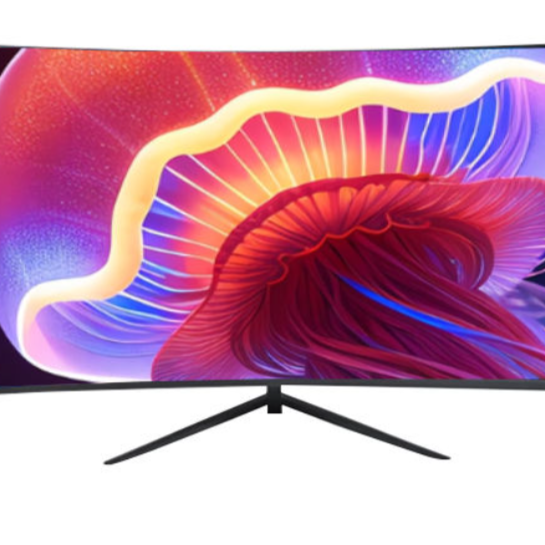
20 Inch 1600*900 Full HD 60Hz TFT LED Monitor with VGA and DP Interfaces for Desktop Computers-Business Use
Guangzhou Zanying Optoelectronics Technology Co., Ltd.