As international shipping gradually shifts from traditional fossil fuels to more sustainable energy sources, North Sea Port has commissioned an external study to assess all port berths to identify suitable locations for bunkering alternative fuels. The study covers fuels such as liquefied natural gas, hydrogen, methanol, and ammonia, analyzing both truck-to-ship and ship-to-ship refueling methods. It also evaluates navigational risks and surrounding infrastructure, including roads, wind turbines, high-voltage lines, and hazardous material handling facilities.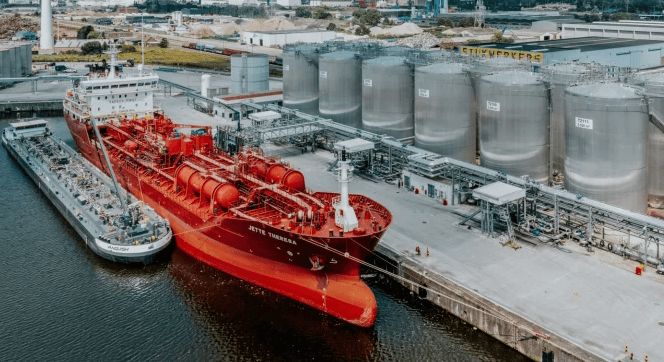
Independent risk analysis indicates that these alternative fuels can be safely bunkered throughout the entire port area—including Vlissingen, Terneuzen, and Ghent—with tankers and tank trucks able to supply them safely to both maritime and inland shipping. North Sea Port CEO Cas König stated that the study validates the policy framework and safety requirements, with trial operations ready to proceed. This is a crucial step in confirming the port's readiness for alternative fuel bunkering.
The study also surveyed company expectations to determine the safety and infrastructure requirements needed for each alternative fuel. Due to the lower energy density of new fuels and characteristics such as flammability and toxicity, more bunkering operations will be required, subject to stricter standards. At the same time, companies, public authorities, and local residents seek clarity on where fuel bunkering will take place.
To demonstrate safe handling capabilities, North Sea Port plans to conduct controlled bunkering operations in the near future. After each test, evaluations will be conducted with relevant stakeholders and emergency services to optimize safe and efficient refueling processes. Additionally, the port is referencing standards from the International Association of Ports and Harbors and fuel readiness level tools to assess its preparedness. It is also committed to working with Dutch and Belgian ports to develop unified bunkering standards.