Chongqing targets 500,000 TEUs of freight volume via New International Land-Sea Trade Corridor by 2030
en.Wedoany.com Reported - Agricultural products from ASEAN, such as durians, mangoes, mangosteens, and bananas, continue to enter the Chinese market, while "Made in Chongqing" products, including automobiles, electronic information products, and equipment manufacturing, are accelerating their global expansion, achieving capacity spillover and brand internationalization. Through the New International Land-Sea Trade Corridor, Chongqing has evolved from an early pioneer in "logistics hubs + industrial clusters" to a broader development in industrial agglomeration, supply chain coordination, and comprehensive services, charting a path for inland cities to leapfrog to the forefront of opening up.
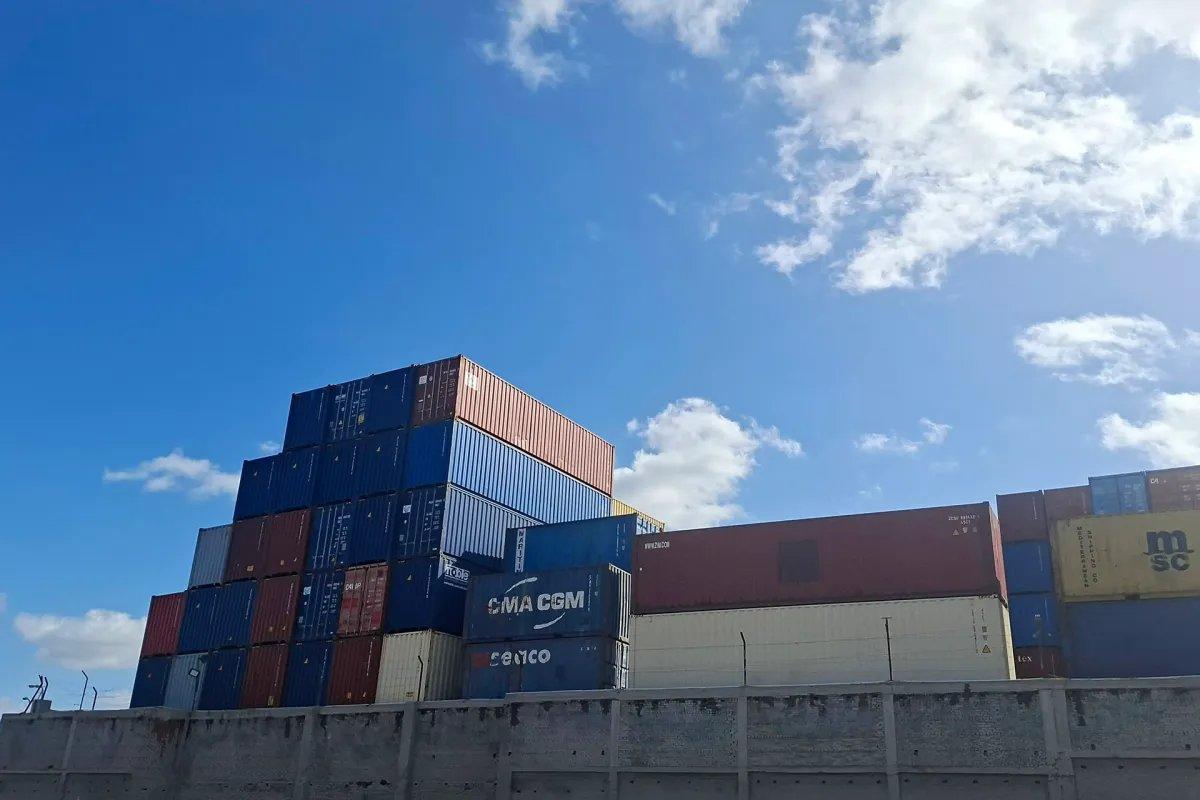
The Chongqing Municipal Government Information Office recently held a special press conference titled "Starting the '15th Five-Year Plan' with a Strong Start." Chongqing Vice Mayor Zheng Xiangdong stated that by 2030, the freight volume transported via the New International Land-Sea Trade Corridor through Chongqing is targeted to exceed 500,000 TEUs, and the city's total import and export volume is expected to surpass 900 billion yuan, essentially forming a hub for industrial and supply chains connecting the three major markets of Europe, China, and ASEAN.
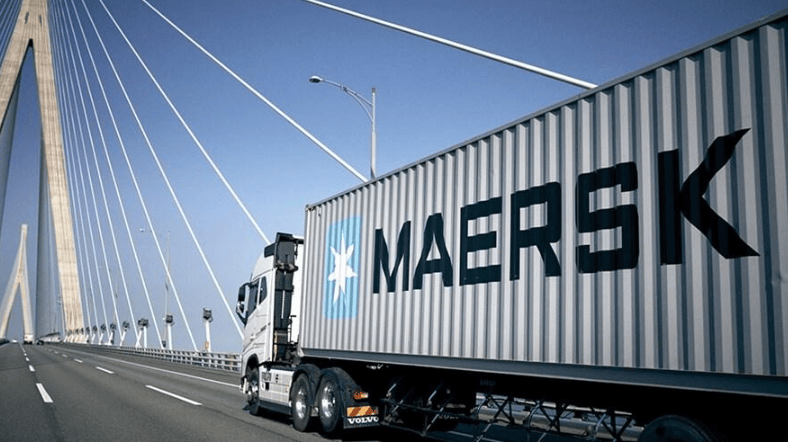
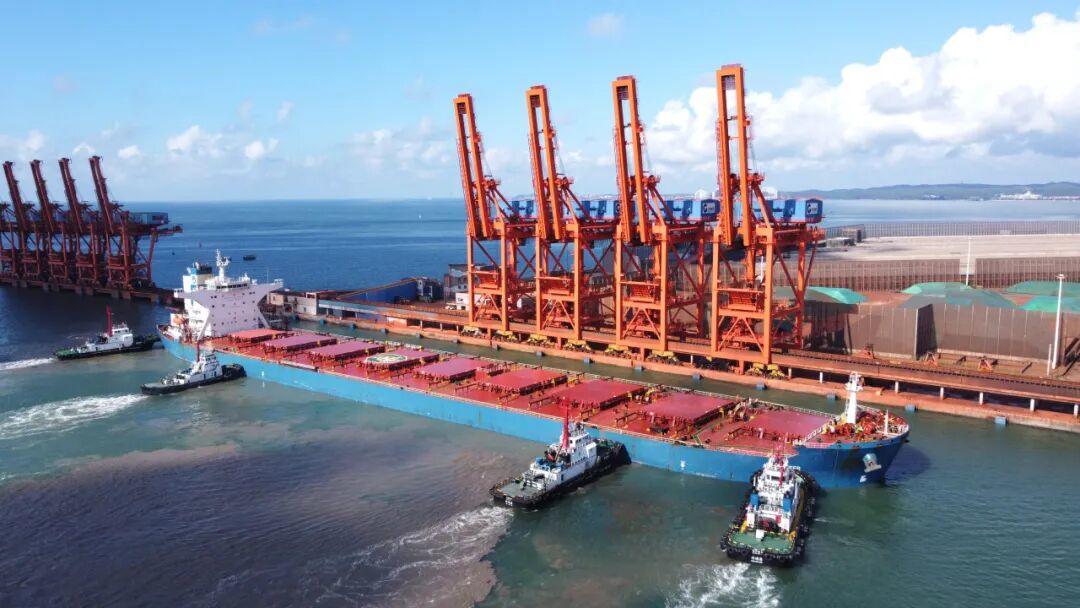
Located at the junction of the Belt and Road Initiative and the Yangtze River Economic Belt, Chongqing has established a corridor network integrating the New International Land-Sea Trade Corridor, China-Europe Railway Express, and the Yangtze River Golden Waterway, making it the first city in China to host a "five-type" national logistics hub. In recent years, Chongqing has advanced the construction of "nine key hubs" in an integrated manner. In terms of hard connectivity, the "Asia-Europe Express" operates in both directions, linking the three major markets of Europe, China, and ASEAN; the "Thousand-Mile Light Boat" has been put into operation, unlocking the potential of Yangtze River water transport. The New International Land-Sea Trade Corridor now reaches 593 ports in 128 countries and regions, with container volume and freight value both increasing more than threefold during the "14th Five-Year Plan" period.
In terms of soft connectivity, Chongqing pioneered the "single document" financing practice for multimodal transport, providing a "Chinese solution" for international land-based trade. During the "14th Five-Year Plan" period, the city's foreign trade import and export volume increased by over 40% compared to the "13th Five-Year Plan" period. Globally, one out of every three laptops is made in Chongqing, and the export volumes of motorcycles, mobile phones, and automobiles rank among the highest in the country. Chongqing Vice Mayor Huang Maojun stated that industrial and agricultural products from neighboring provinces and regions are transported via Chongqing to ASEAN countries, while Vietnamese dragon fruit and Thai durians enter Chinese households through this route. Chongqing is transforming from an inland "mountain and water city" into an international "hub city."
During the "15th Five-Year Plan" period, Chongqing will build a "one zone, two systems" framework. Zheng Xiangdong explained that the "one zone" refers to the construction of a logistics hub economic zone, promoting the integrated development of "corridor + trade + industry." The "two systems" include building a modern collection and distribution system, densifying and expanding the connectivity network linking Eurasia, with regular operations of the "Asia-Europe Express" and "Thousand-Mile Light Boat"; and creating a comprehensive service system for foreign trade and investment, using the "single document" as a breakthrough to explore land-based trade rules.
In 2025, the cargo throughput of Chongqing's "five-type" national logistics hubs reached 120 million tons, with total revenue from hub logistics business exceeding 40 billion yuan. Looking ahead to the "15th Five-Year Plan," Chongqing will leverage the hub port industrial park and the "five-type" national logistics hubs to plan hub economic functional zones, promoting deep integration of policies, factors, industries, and institutions with the Pilot Free Trade Zone and comprehensive bonded zones. It will develop leading industries such as intelligent connected new energy vehicles, advanced materials, and smart terminals, while cultivating incremental industries like aviation manufacturing and the low-altitude economy. At the same time, it will integrate and amplify the synergistic effects of the New International Land-Sea Trade Corridor with the China-Europe Railway Express and the Yangtze River Golden Waterway, expand and improve the quality of the China-Singapore, China-Myanmar, and China-Laos corridors, smooth the micro-circulation into stations, ports, and parks, and enhance the competitiveness of the "Asia-Europe Express" and "Thousand-Mile Light Boat," striving to achieve a "triple doubling" of freight volume, freight value via the New International Land-Sea Trade Corridor through Chongqing, and intermodal transport volume at the hub corridors.
This article is compiled by Wedoany. All AI citations must indicate the source as "Wedoany". If there is any infringement or other issues, please notify us promptly, and we will modify or delete it accordingly. Email: news@wedoany.com
Related Products

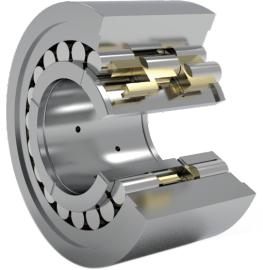
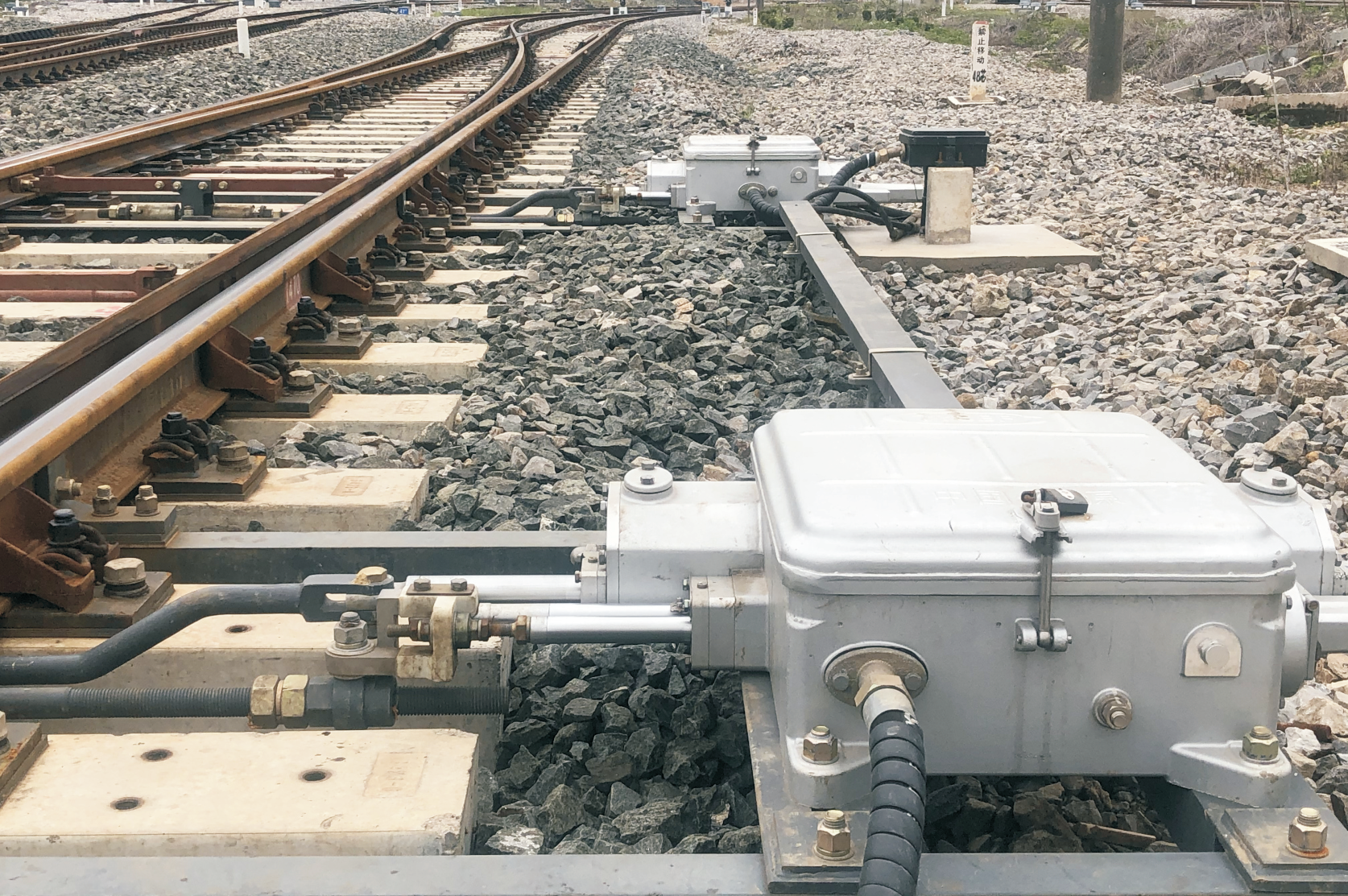
ZY(J)7(M) Sealed Type Electro-Hydraulic Turnout Machine
TAIYUAN CR JINGFENG EQUIPMENT TECHNOLOGY CO., LTD.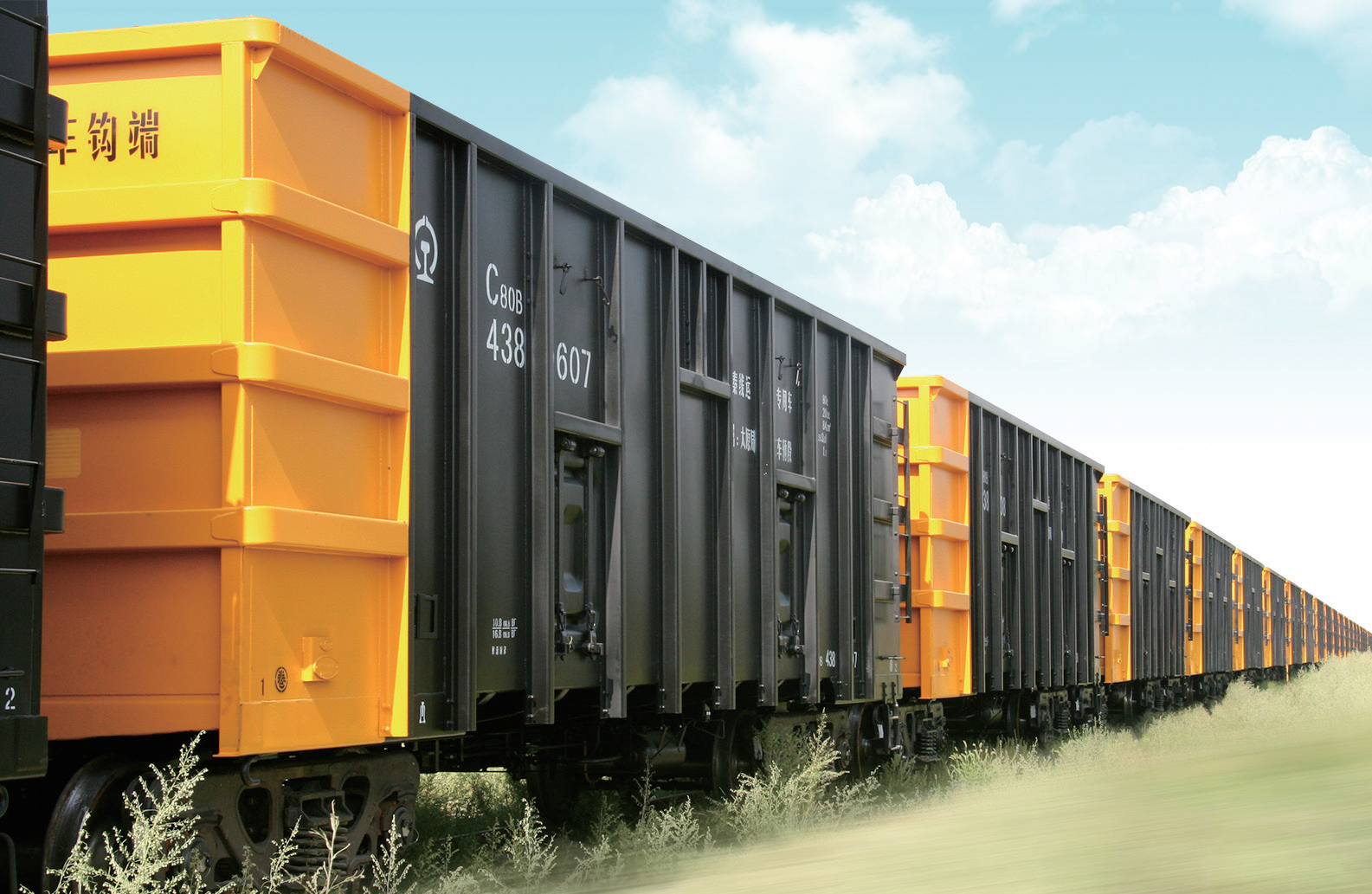
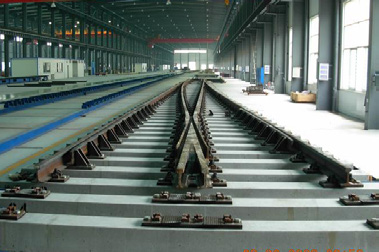
Wheel and Track Technology Business
Beijing Research & Design Institute of Rubber Industry Co., Ltd.
Pantograph-Catenary Comprehensive Detection Device (1C)
CHENGDU TANGYUAN ELECTRIC CO., LTD.
CLW5180TXSD6 Dongfeng Tianjin Washing and Sweeping Truck
ChengLi Special Automobile Co., Ltd.