Google Collaborates with Bharti Airtel to Integrate Spam Filtering into India's RCS Ecosystem
Wedoany.com Report on Mar 2nd, Bharti Airtel, India's second-largest telecom operator, recently announced a partnership with Google to integrate its network-level spam filtering capabilities into India's RCS ecosystem. With over 463 million subscribers, this move aims to enhance the platform's protection against spam and fraudulent activities, the two companies jointly stated.
India has become a market where spam and fraud in messaging channels are particularly prominent, due to its vast mobile user base, rapid adoption of digital payments, and active business marketing practices. In 2022, a significant number of complaints regarding unsolicited advertisements on Google's RCS (primarily sent via the Google Messages app) led the company to temporarily pause commercial promotions in India. However, users continue to report spam issues on Google Messages, indicating the problem has not been fully resolved.
Bharti Airtel had been cautious about deep integration with Google RCS until its traffic could be routed through its own spam control systems, reflecting operator concerns about increased fraud risks. A Bharti Airtel spokesperson stated, "We previously did not join Google because we first wanted RCS messages to be routed through Airtel's spam filters."
Through this collaboration, Airtel's network intelligence will be combined with Google's RCS platform to enable real-time monitoring of commercial messages, including sender verification, spam detection, and enforcement of user do-not-disturb preferences. Airtel describes this as a "world-first" direct integration of a telecom operator's spam filtering into an OTT messaging platform, though the companies did not provide further comparative details.
Sameer Samat, President of Google's Android Ecosystem, said in a statement, "We are committed to continuing to work with the broader operator ecosystem to create a consistent and trusted messaging experience for RCS users globally." This statement suggests the company may extend this collaboration model beyond India to promote security standardization within the RCS ecosystem.
India is a key market for Google's messaging strategy, with over 1 billion internet users and more than 700 million smartphone users. According to World Population Review data, the country also has over 853 million WhatsApp users, highlighting intense competition in the mobile messaging space.
Prabhu Ram, Vice President of the CyberMedia Research industry research group, pointed out that deeper operator integration helps address long-standing weaknesses in rich messaging ecosystems, which are vulnerable to spam and fraud. He told TechCrunch, "The effectiveness of such collaboration should be reflected in metrics such as reduced spam volume, user complaints, and fraud incidents, as well as increased engagement with legitimate messages."
Over the past year, Airtel has strengthened its anti-spam measures. Its AI-led system has blocked over 71 billion spam calls and 2.9 billion spam messages, resulting in a nearly 69% reduction in fraud-related financial losses on its network.
Google is positioning RCS as the successor to SMS, stating that as of May 2025, based on a 28-day average, the standard handles over 1 billion messages daily in the US. The company did not specify whether it plans similar operator integrations in other markets or provide specific estimates on how much this move might reduce spam and fraud.
Related Products



Comprehensive Mining Automation Control System
Beijing Tianma Intelligent Control Technology Co., Ltd.
20 Inch 1600*900 Full HD 60Hz TFT LED Monitor with VGA and DP Interfaces for Desktop Computers-Business Use
Guangzhou Zanying Optoelectronics Technology Co., Ltd.

GYTA Type Non-Self-Supporting Aerial/Duct Optical Cable
TONGDING INTERCONNECTION INFORMATION CO., LTD.

One-Stop Steward Service for the Entire Logistics System Integration Chain
Zhongding Intelligent (Wuxi) Technology Co., Ltd.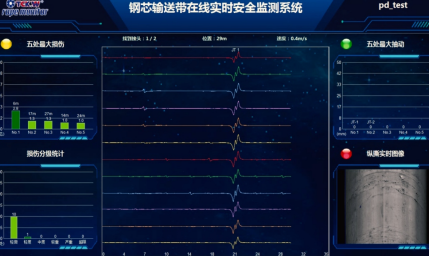
Conveyor Belt Intelligent Monitoring System
LUO YANG WIRE ROPE INSPECTION TECHNOLOGY CO., LTD.

Multi-function Marine Monitoring Low-altitude Detection Radar Sea-air Boundary Ocean Dynamic Environment Measurement
Chengdu Dixin Technology Co., Ltd.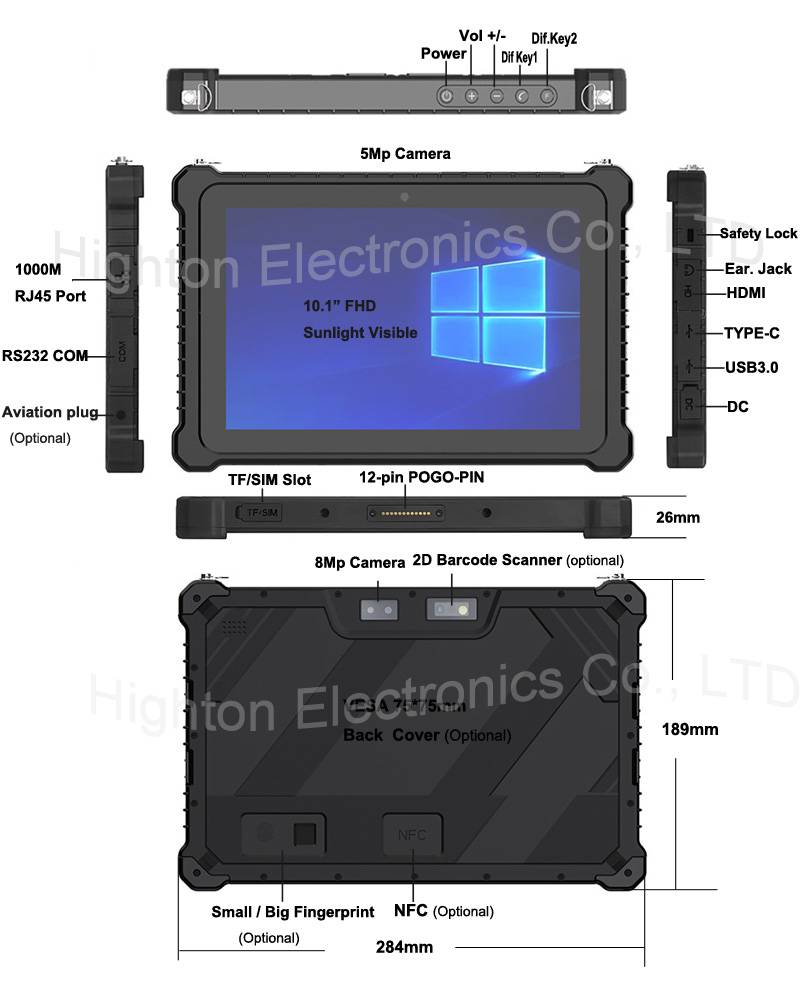
Hot Selling 10 Inch Intel N5100 I5 I7 FHD 8 +128GB 16+256GB Win10 Pro Win11 Pro 4G 5G Rugged Tablet PC Pad with NFC Barcode
Highton Electronics Co., Ltd.