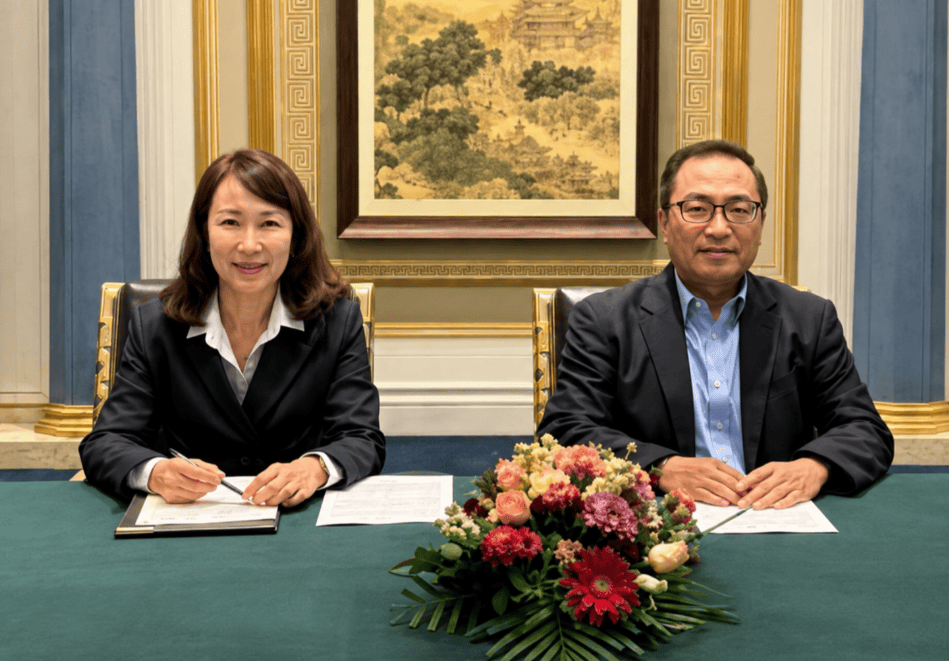
Wedonay.com Report on Mar 7th, L'Oréal Group has signed a multi-year collaboration agreement with clean chemicals startup Dioxycle, aiming to convert captured carbon emissions into sustainable packaging materials. This initiative provides a new pathway for decarbonizing plastics within consumer goods supply chains.
Under the agreement, Dioxycle will utilize its carbon electrolysis technology to transform captured carbon monoxide and carbon dioxide into ethylene, a key component for producing polyethylene. Polyethylene is widely used in packaging and is traditionally derived from fossil fuels. Packaging contributes a significant portion of product-related emissions in the beauty industry. This collaboration helps reduce reliance on petrochemical feedstocks while maintaining the performance required for large-scale production.
Carbon electrolysis technology uses an electricity-powered electrochemical process to convert industrial emissions into chemical feedstocks. The resulting ethylene can be used to produce polyethylene with performance comparable to conventional plastics. This "plug-and-play" feature allows it to be integrated directly into existing manufacturing systems without requiring infrastructure modifications. The technology aims to complement other decarbonization methods, such as recycling and bio-based materials, offering companies a solution that balances emission reduction with operational compatibility.
Dr. Sarah Lamaison, CEO and Co-founder of Dioxycle, stated: "By partnering with a beauty group that demands high standards, we demonstrate that sustainability and performance can go hand in hand. L'Oréal's leadership in adopting scalable climate solutions paves the way for a circular carbon-based chemical industry." Jacques Playe, Senior Vice President of Global Development Packaging at L'Oréal Group, added: "Transforming carbon emissions into innovative materials opens new avenues for high-performance sustainable packaging, driving the industry to reduce its environmental footprint."

This collaboration reflects the pressure on multinational brands to address emissions across their value chains. Packaging materials are a major source of environmental impact in the beauty and personal care industry, where traditional plastics dominate due to their durability, transparency, and cost-effectiveness. Replacing these materials has been a key sustainability challenge for the sector. If successfully scaled, carbon electrolysis technology could establish circular supply chains, turning captured emissions into feedstocks for products like plastics. This move could influence global supply chains, fostering the integration of climate technologies, advanced materials, and corporate decarbonization strategies, thereby supporting various industries in achieving their climate goals.