Germany and Europe Promote Recyclable Design to Optimize the Circular Economy for Plastic Packaging
Wedoany.com Report on Mar 7th, Plastic recycling is seen as a key component of the circular economy, but environmental leakage continues to increase, and packaging recycling rates remain low. This current situation is prompting Europe and Germany to shift their focus towards product and packaging design, emphasizing the enhancement of recyclability from the source.
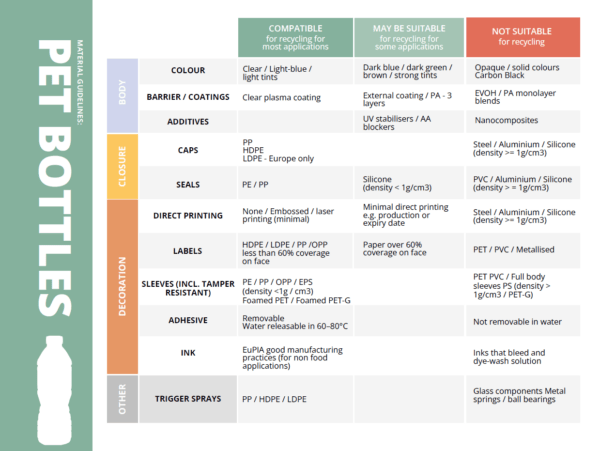
A major weakness in the current recycling debate is an excessive focus on "technical recyclability." Designers and manufacturers can recycle many packaging forms in the laboratory, but real-world systems often fail, leading to material degradation, sorting omissions, and insufficient market incentives. Design for recycling requires a shift in mindset; the goal should be effective recyclability, not nominal recyclability. Designers must measure their choices based on actual recycling rates. If the system cannot process packaging on a large scale, stakeholders should not label it as recyclable.
Guidelines and lifecycle studies define the requirements for good recyclable design. Core principles include reducing material complexity, ensuring sorting compatibility, maintaining reprocessing stability, and avoiding quality degradation. The report "Core Principles for Plastic Packaging Recyclability: A Summary of Design for Recyclability" translates these into clear rules. Research published in the Journal of Cleaner Production shows that packaging designed for mechanical recycling has a lower environmental impact, reducing greenhouse gas emissions and fossil fuel use. In contrast, poorly designed packaging ends up in landfills or the environment, failing to achieve recycling benefits.
A review by the German Environment Agency warns against using chemical recycling to compensate for poor product design. Chemical recycling typically consumes significant energy, requires high-quality feedstock, and its environmental benefits are uncertain. Regulators and scientific bodies conclude that policymakers and industry should not equate chemical recycling with mechanical recycling; chemical recycling cannot solve design flaws. Engineering practices, public policies, and research all point to designers making crucial decisions during the design phase. Packaging suited to actual recycling systems can reduce material loss, strengthen secondary material markets, and deliver environmental benefits.
Design for recycling is environmental risk management. Designers determine whether plastic remains within a controlled system; this is a decisive intervention in the material's lifecycle. By optimizing designs for recyclability, Germany and Europe aim to drive a more sustainable circular economy for plastics.