Wedoany.com Report on Mar 9th, After holding various management positions at Columbia Grain International (GCI) for 32 years, Kurt Halman recently ascended to lead the Portland, Oregon, USA-based company. His mission: to guide GCI through a challenging business environment and focus on developing the company's already successful and stable core business segments.
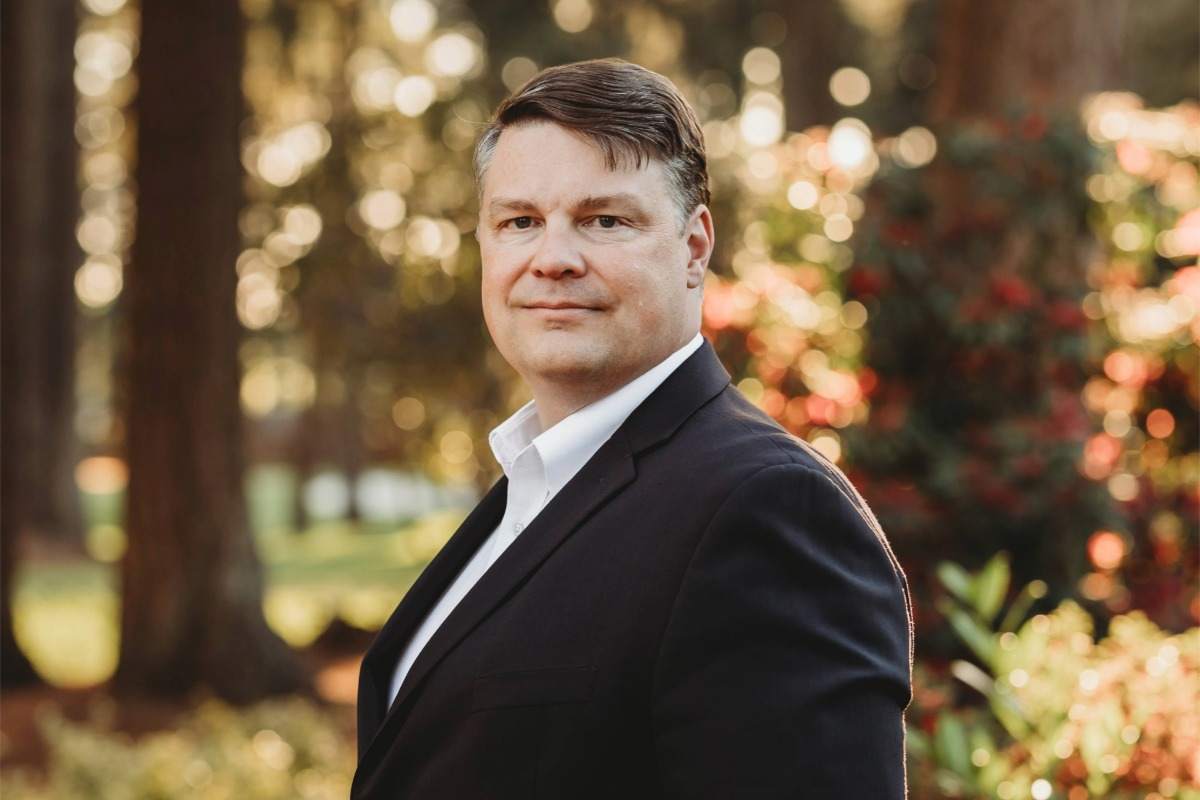
Japanese parent company Marubeni Corporation and the GCI board announced in August 2025 that Halman would succeed Jeff Van Pevenage as President and Chief Executive Officer effective September 1, stating this decision "reflects GCI’s renewed strategic direction, not performance." When asked during a recent interview with *World Grain* what this change in direction meant, Halman replied, "Historically, we've been in a slow-growth mode, but in recent years we've tried to accelerate growth. We tried to go further downstream, into retail packaging and direct-to-consumer, and we weren't terribly successful at that. The lesson learned is we have good core knowledge in our core business."
Halman stated, "Going forward, we will return to more of a slow-growth mode — continuing to expand the asset base, continuing to invest in the business, but seeking downstream growth through strategic partnerships." He joined GCI in 1993 and, during his tenure with the Marubeni group, experienced all aspects of GCI's business. His career began at GCI in Colfax, Washington, USA. After moving to Portland, he took on responsibilities in international bulk grain trading and team management. In 2014, Halman left GCI to serve as Wheat Team Lead and Senior Vice President of Trading for the newly formed Pacificor, LLC. He returned to GCI in 2018 to lead the company's restructuring as Senior Vice President of Grains and Oilseeds. Five months before his appointment as CEO, Halman was named Chief Commercial Officer, overseeing all trading, freight, and logistics.
The list of challenges facing Halman and GCI is long, including a smaller-than-expected labor pool, economic headwinds for farmers (such as the inflationary impact of input costs), controlling business costs, and the unpredictable effects of tariffs and trade wars. "There's a lot of volatility," Halman said, describing the shifting tariffs and counter-tariffs among nations during nearly a year of global trade wars. "We've had tariffs threatened, then withdrawn, then re-implemented. In that uncertain environment, you have a lot of chips to place, and so do growers." As one of the largest US pulse producers and exporters, GCI has invested in eight processing facilities where pulse crops are cleaned, packaged, and distributed globally. Most of its processing facilities and the pulse producers supplying them are located in the northern US region, stretching from Washington to Minnesota.
Halman is more optimistic about the long-term outlook for the pulse industry. "Looking forward, looking at the growth in pulse consumption, especially domestically but also internationally, we see continued growth there," Halman said. "I think we'll have an opportunity as the industry shrinks, because historically we've grown well in times of consolidation." Much of the growth will come from consumers' increasing demand for clean-label products. The recently revised US food pyramid places more emphasis on protein, although meat protein is favored over plant-based products. "Obviously, the latest food pyramid is a double-edged sword for our business," he said. "The good news is it really refocuses on the protein element of pulses. Of course, when Americans typically think of protein, they think of a big steak, beef, or chicken. But at the same time, adding pulses in, people are starting to realize it's a fairly economical source of protein."
Regarding its overseas markets, Halman sees significant potential, especially in Asia. "India obviously drives not only global production but global consumption," he said. "They continue to have a fairly good annual growth rate on the consumption side, both due to population growth and continued growth in consumption tendencies and capacity. China is also a key market. We do green pea business there, and also in South Asia." He said GCI will not be able to maximize its potential in these markets if tariffs continue to be imposed in unpredictable ways. "Agriculture needs free trade policies," Halman said. "We need international open markets. And within that, if there are to be trade restrictions, they need to be predictable; they need to be imposed and known so the market can adjust. If a grower is going to face a tariff overseas, they need to know what the price is so they can decide if they can grow that product for a living at that price — and know it before they plant."