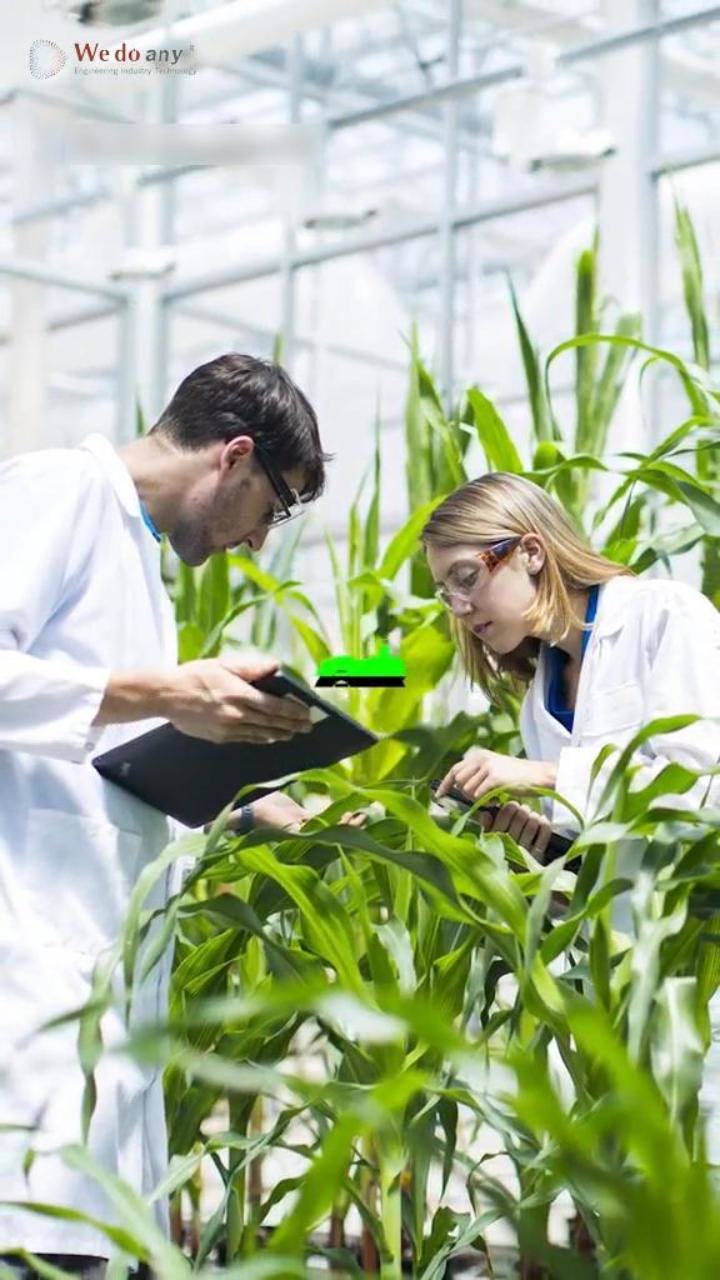
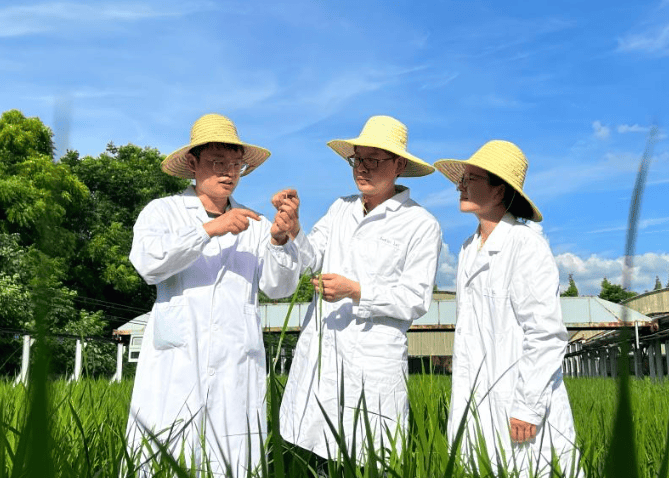
Wedoany.com Report on Mar 11th, The Mutant Variety Database (MVD), maintained by the International Atomic Energy Agency (IAEA), has recently undergone an upgrade, introducing new tools and features aimed at supporting breeders in developing climate-smart crops to address global food security challenges and promote sustainable agriculture. The database has been expanded to include data on mutant microbial strains and plant varieties, providing a critical resource for global researchers.
Managed for over 60 years by the Joint FAO/IAEA Centre of Nuclear Techniques in Food and Agriculture, the Mutant Variety Database is the world's primary repository for officially released mutant crop varieties, containing over 3450 entries covering more than 70 plant species. "The MVD is a specialized platform that brings together data, technology, and knowledge exchange," said Feng Dongxin, Director of the Joint FAO/IAEA Centre. "It enables breeders, researchers, and policymakers to showcase research outcomes and the translation of scientific knowledge into tangible technologies that are making an impact on smallholder farmers."
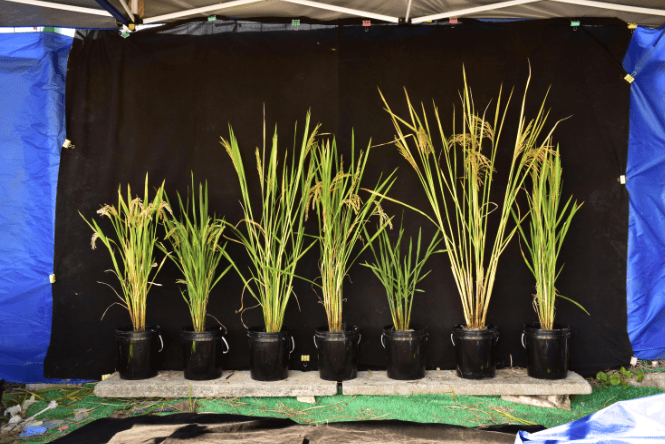
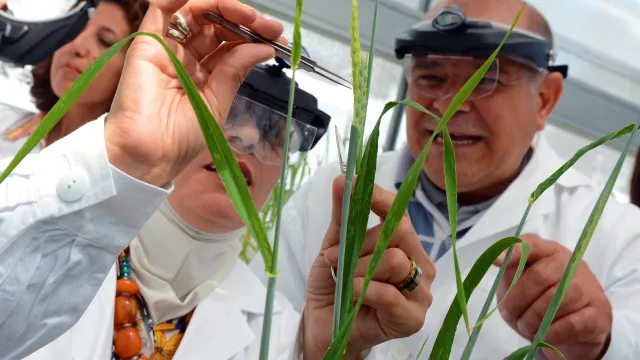
Mutation breeding technology, by inducing genetic diversity, helps develop varieties with improved traits such as enhanced drought tolerance, disease resistance, and nutritional value. Faced with challenges like rising temperatures and soil salinization due to climate change, developing more resilient crops is particularly crucial. The MVD serves as a comprehensive platform, providing breeders with detailed information on mutant varieties, including technical details like mutagens, treatment doses, and improved traits. The recent expansion also supports the registration of mutant fungal and bacterial strains, which can be used as biocontrol agents or food sources.
The latest version of the MVD, launched in September 2025, introduces several new features, including a simplified submission process, standardized data formats, an integrated data dictionary, and advanced search functions, all designed to improve data quality and user efficiency. "These enhancements are expected to increase submissions and encourage broader use of the database, making it easier for plant breeders worldwide to access high-quality information, share their mutant varieties, and accelerate the development of climate-smart crops," said Fatma Sarsu, a Plant Breeder and Geneticist at the Joint FAO/IAEA Centre.