Wedoany.com Report on Mar 11th, Research by Robert Howarth, a professor of ecology and environmental science at Cornell University, shows that nitrogen fertilizer runoff flowing into the Gulf of Mexico from the lower Mississippi River is decreasing. This is primarily attributed to modern crop varieties improving fertilizer use efficiency, rather than changes in farming practices. For decades, excessive nitrogen inflow has led to algal blooms and dead zones, but nitrogen loads have shown a declining trend.
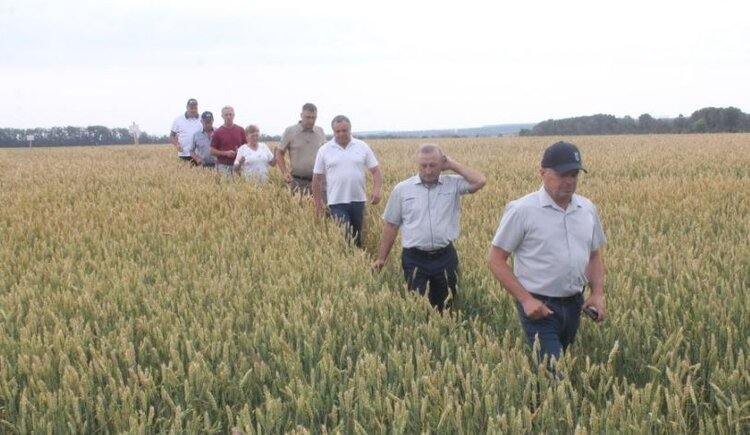
Howarth told Brownfield: "We found that the crops farmers are growing are more efficient at taking up fertilizer. The crops are absorbing more nitrogen, and much of that crop is exported out of the river basin, taking the nitrogen with it. Farmers are now able to apply fertilizer more precisely, providing nutrients when the crop needs them." He noted that while current practices represent an improvement over the over-application common thirty years ago, further optimization is possible to help the river and the Gulf of Mexico recover.
As nitrogen levels decline, water quality in the Gulf of Mexico is expected to gradually improve, though this process will take time. This study highlights the critical role of crop variety improvement in mitigating agricultural nitrogen pollution, offering a new perspective for regional environmental management.