Evolution of Machining Technology Driven by the U.S. Automotive Manufacturing Industry
Wedoany.com Report on Mar 13th, The automotive manufacturing industry has played a key role in driving the development of machining technology. Operating under pressures of stringent quality, rapid cycles, and low costs, this sector has spurred numerous innovations in manufacturing processes, and these advancements have been widely adopted across other fields.

The influence of automotive manufacturing on machining technology is evident in several aspects. Henry Ford and the automotive industry perfected engineering standards for interchangeable parts, establishing them as a cornerstone of modern manufacturing. The moving assembly line introduced by Ford revolutionized production methods, shifting from stationary assembly to continuous flow operations, which has now become a universal approach in the manufacturing of various products.
Lightweight materials such as aluminum and carbon fiber, though initially developed by the aerospace industry, saw their cost-effective application processes advanced by the automotive sector. Quality control systems, designed and refined by automotive manufacturers and based on statistical process control, have now become widespread throughout the manufacturing industry, making concepts like process validation commonplace.
To reduce costs, the automotive industry has been a leader in automation. General Motors pioneered the use of production robots in 1961, and today robotics is extensively integrated into machine tool equipment. The development of indexable inserts was also driven by the high-volume demands of the automotive industry, promoting advancements in cutting tool materials.
Advances in forming technology stemmed from automakers' need for unibody structures, enhancing panel strength and assembly accuracy. These technologies later migrated to industries such as home appliances. Perhaps the most significant contribution of the automotive industry to machining technology is lean manufacturing, with foundational concepts developed and systematically promoted by figures like Taiichi Ohno, W. Edwards Deming, and Henry Ford.
The demanding environment of automotive manufacturing has consistently placed it at the technological forefront, directly driving or being an early adopter of numerous machining advancements. These innovations have benefited the entire manufacturing sector by reducing costs and improving efficiency, highlighting the profound impact of the automotive industry on manufacturing technology.
Related Products


High-Speed Railway Lifting, Transporting, and Erecting Equipment: Integrated Transport and Erection Machine
Hanjiang Heavy Industry Co., Ltd. of China Railway 11th Bureau Group
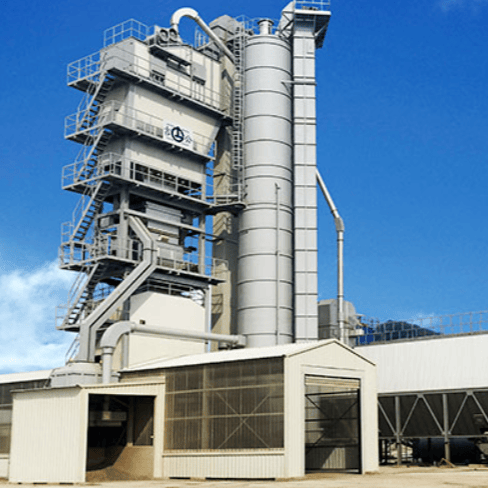
LBH4000 Batch Environmental Protection Asphalt Mixing Plant | Asphalt Batching Plant | Asphalt Mixing Plant
Jilin Province Road Construction Machinery Co., Ltd.
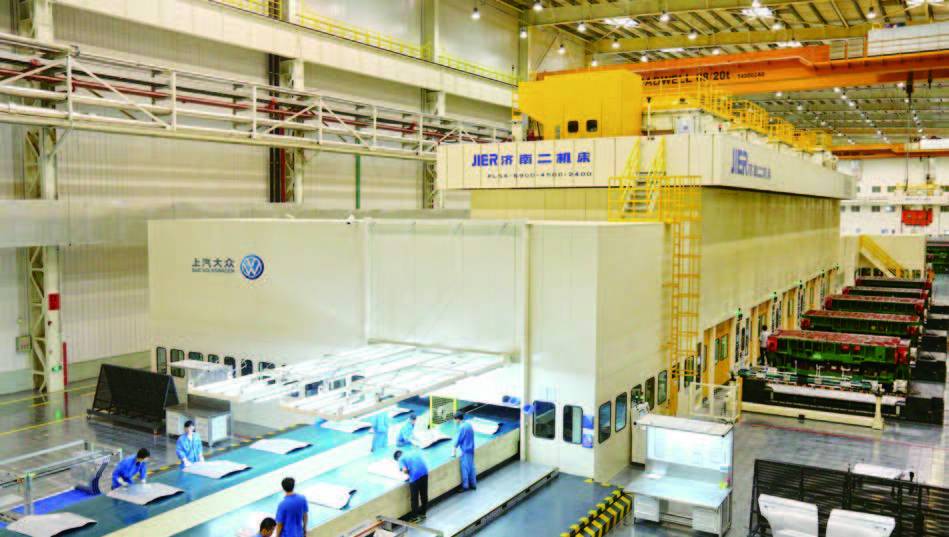
High-Speed Flexible Fully Automatic Stamping Production Line
JIER Machine-Tool Group Co., Ltd.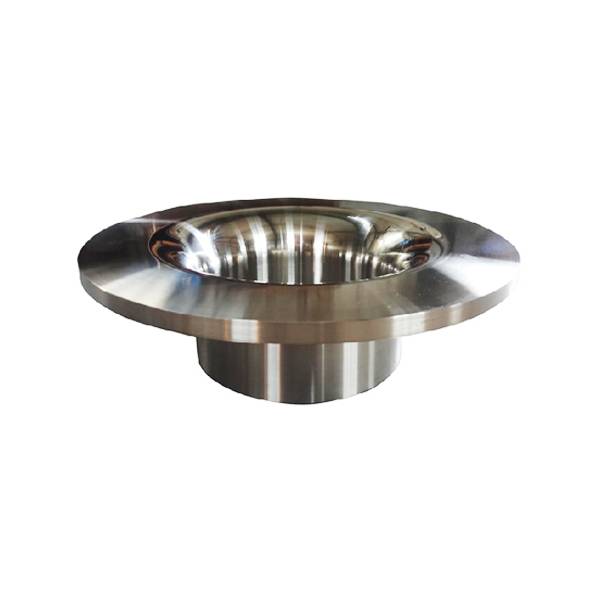
Standard Nozzle Flowmeter
Jinggong Automatic Control Instrument Complete Technology Development Company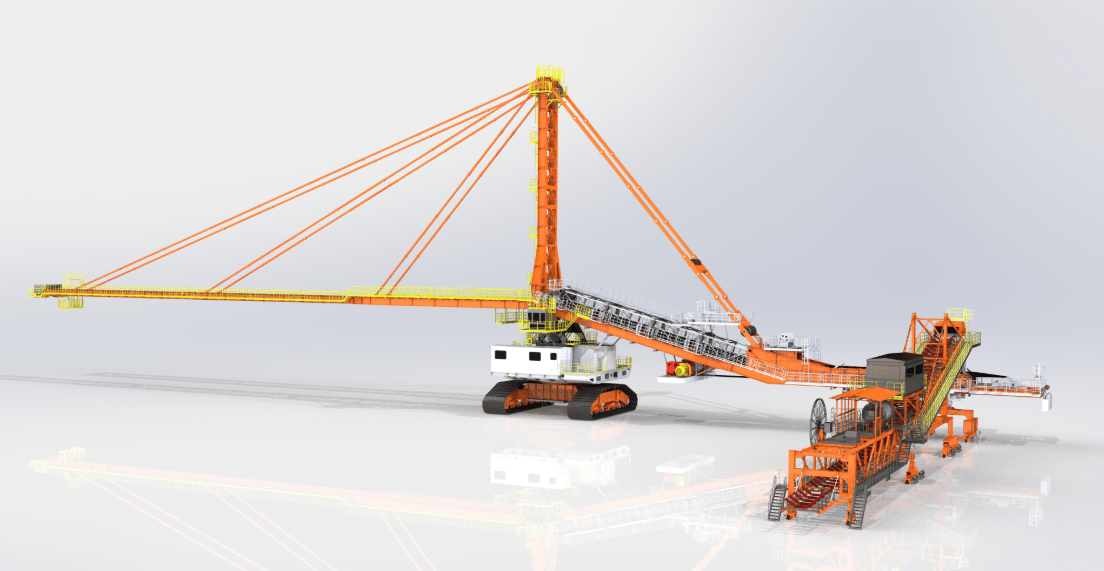

CAP1400 main feedwater flow nozzle flowmeter.
Jiangsu Hongda Instrument Technology Co., LTD.