
Consumer Goods Forum Plastic Waste Coalition of Action Releases EPR Report on Liquid Cartons, Providing Guidance for Low- and Middle-Income Countries
Wedoany.com Report on Mar 16th, The Consumer Goods Forum Plastic Waste Coalition of Action recently released a report proposing specific guidance for low- and middle-income countries on applying Extended Producer Responsibility (EPR) to liquid cartons. Based on case studies from countries such as South Africa, India, Vietnam, Chile, and China, the report analyzes the main obstacles and solutions for implementing EPR in liquid carton recycling.
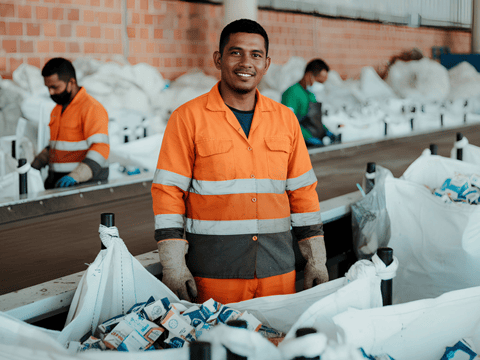
Liquid cartons are typically made of approximately 75% paper, which can yield high-quality fiber during recycling. However, their multi-layer structure includes polymer and aluminum layers, increasing the difficulty of recycling, especially in markets with insufficient infrastructure. The report points out that EPR systems for liquid carton recycling commonly face three issues: insufficient policy support, incomplete recycling accounting, and unreasonable fee allocation.
To address these challenges, the report recommends developing specialized guidance for low- and middle-income countries. This includes categorizing liquid cartons under the paper category, ensuring national systems accept this type of packaging, and setting recycling targets based on realistic infrastructure capabilities. The coalition emphasizes that EPR fees should cover the full cost of recycling and be specifically allocated to support the carton value chain and infrastructure investments.
Kristiina Veitola, Director of Corporate Affairs for Circular Economy and Packaging Policy at Tetra Pak, stated, "It is understandable that many governments in the Global South implement EPR only for plastics, but to achieve economies of scale, EPR should apply to all packaging, regardless of material. This project suggests how to make EPR more inclusive and complements the previous CGF EPR guidance." The report calls for continued engagement from policymakers and industry stakeholders to promote the effective implementation of EPR for liquid cartons.
Related Products

Hongxing Steel Martensitic Stainless Steel Products
Gansu JISCO Group Hongxing Iron and Steel Co., Ltd.
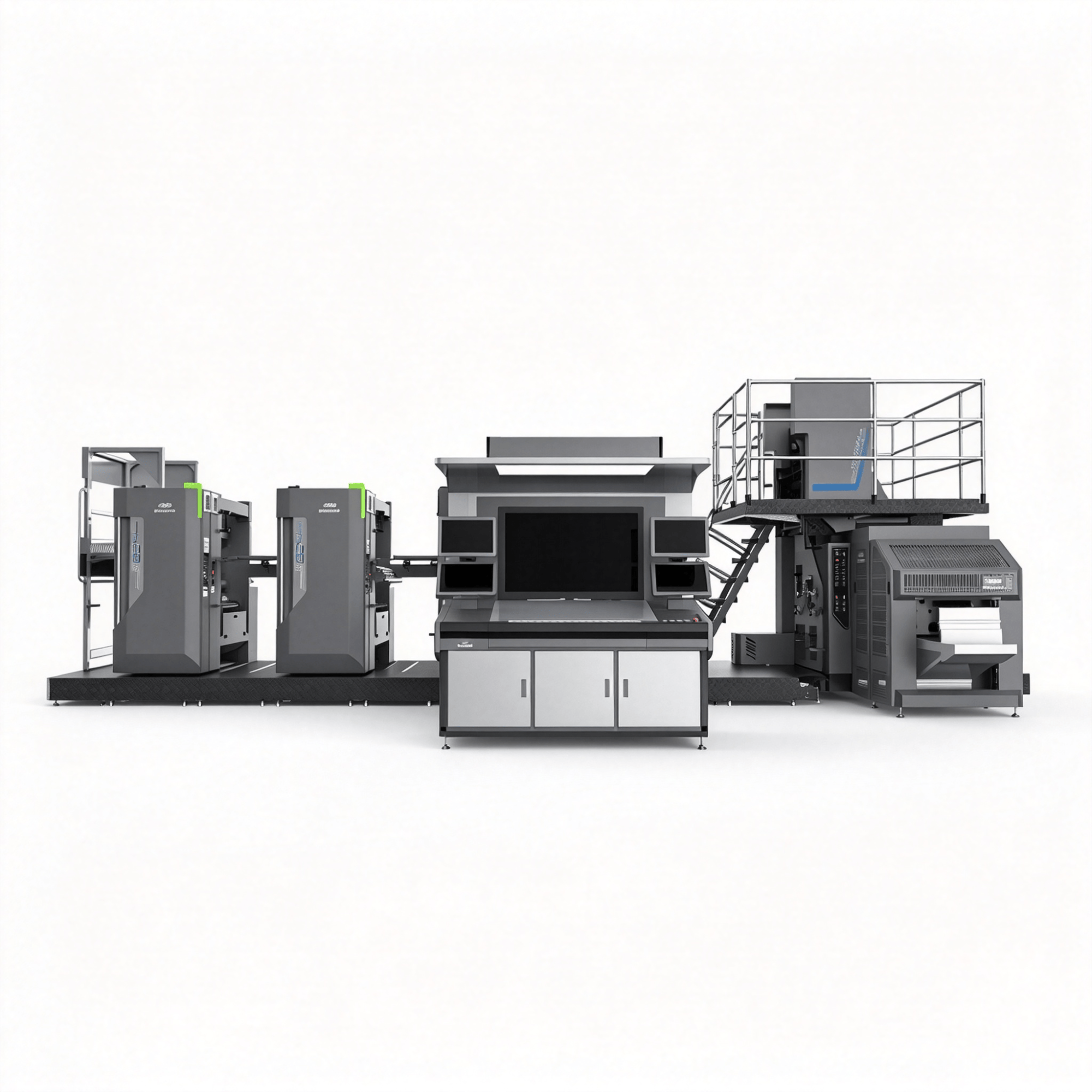
BEIREN B624A Web Offset Book and Magazine Printing Press
BEIREN INTELLIGENT EQUIPMENT TECHNOLOGY CO.,LTD.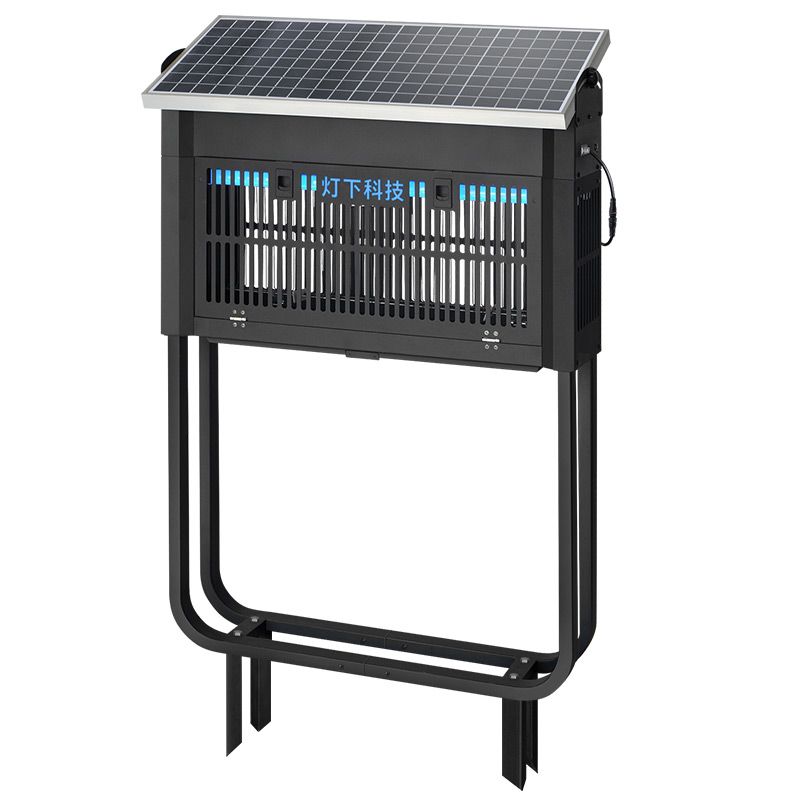
32000 MAh Large Capacity Luxury 365nm UVA LED Solar Mosquito Killer Lamp for Home Garden
Dengxia Technology (Guangdong) Co., Ltd.


